


Did you know that one load of laundry can release up to 700,000 microplastic fibers into the water system? Imagine all that invisible pollution flowing straight from your washing machine into rivers, lakes, and even your drinking water
Startling Facts: The Microplastics Crisis Exposed
Every time we wash our clothes, microscopic plastic fibers—often too tiny to see with the naked eye—are released into washing machine wastewater. These “microplastics” make their way through water systems, bypassing general waste treatment and ultimately accumulating in rivers, oceans, and even in our food and drinking water. Recent studies show that washing machines are one of the largest contributors to microplastic pollution. According to research from the University of Bonn and the Fraunhofer Institute, a single household can shed millions of these particles annually.
This crisis doesn’t just affect marine life; it impacts humans as well. Microplastics have been detected in the air, seafood, and even bottled water, raising concerns about long-term health effects. Researchers like Leandra Hamann and Alexander Blanke are raising awareness about these hidden threats. But among the doom and gloom, there’s hope in innovation: the remarkable “fish mouth” filter—which can change the way we protect our water and our health, right at the source—our own washing machines.

Microplastics from washing machines: A hidden threat to water systems and health
It’s easy to forget what happens after we hit the start button on our washing machines. Yet, with every cycle, synthetic fibers from clothes break off and flow with the water, bypassing most current filter systems. These microplastics are so small, typical wastewater treatment plants can’t capture them. As they enter aquatic environments, fish inadvertently ingest them, impacting not only the food chain but also the health of human populations who rely on that water and seafood. This is a truly global crisis, as the microplastics dispersing through machine wastewater create a ripple effect—threatening ecosystems, contaminating food supplies, and affecting human wellness.
The problem is exacerbated by the sheer scale of laundry habits worldwide. In some cities, every dozen washes can release enough microplastics to rival large-scale industrial spills. Efforts like banning microbeads in cosmetics are a step, but laundry remains an unchecked source. Until recently, there was no truly practical solution for everyday households—until the arrival of the groundbreaking "fish mouth" filter.
Unveiling the scope—Data from the University of Bonn and international studies
Recent data from the University of Bonn highlights the enormity of this crisis. An international research team found that traditional washing machine filters only capture a fraction of microplastics, as their design quickly becomes clogged, allowing many particles to slip through. The Fraunhofer Institute for Environmental investigations have measured millions of microplastic fibers in machine wastewater, demonstrating the inadequacy of existing solutions and the urgent need for innovation.
These studies have also inspired creative solutions grounded in nature. The concept behind the new generation of filters, such as the “fish mouth” filter, is based on biomimicry—learning from how fish gill arches and natural sieves clean water in aquatic environments. The understanding gained from experts like Alexander Blanke and detailed experiments by Leandra Hamann and her team at the university have paved the way forward, fueling hope that technology can finally keep pace with this pressing environmental challenge.
What You’ll Learn about the 'fish mouth' filter and microplastic removal
- How the 'fish mouth' filter works inside a washing machine
- Scientific evidence of 99% microplastic removal
- Environmental and health implications
- Opinions from academia including the University of Bonn
- How consumers can take action and contribute to clean water
The Rise of the 'fish mouth' Filter: Science Meets Innovation
The emergence of the 'fish mouth' filter is a triumph of modern environmental engineering and scientific ingenuity. Drawing inspiration from the unique gill arch system found in fish, this filter features a natural sieve structure—engineered to mimic how fish separate plankton from water using precise arch and funnel designs. Instead of relying on fine mesh barriers that quickly become clogged, the fish mouth filter leverages patterns of water flow, funnel walls, and innovative angles to capture even sub-micron microplastic particles as water leaves the washing machine.
This marriage of biology and technology isn’t just clever: it achieves results. The permeable funnel and strategically placed sieve structures within the filter ensure that more than 99% of plastic fibers are trapped before they exit with the washing machine’s wastewater. The filter’s design also means it’s easy to clean—simply rinse or tap it out after a dozen washes, and it’s ready to go. The “a-ha!” moment for many users comes not just from the science, but from seeing clear water discharge and knowing they're making a real environmental difference in their daily routine.

Behind the Design: What makes the 'fish mouth' filter unique for washing machines
Unlike most existing filters on the market, which become quickly clogged or fail to catch the tiniest particles, the “fish mouth” filter is modeled after biological systems refined over millions of years. The design incorporates a gill arch system and a natural sieve that channels water flows in a way that efficiently separates microplastics from the rest of the wastewater. The arch system mimics the action of fish gills, where water passes through a permeable funnel wall and is released back into the environment free of trapped debris.
The structure of the fish mouth filter ensures that it doesn’t impede machine performance while maintaining industry-leading capture efficacy. Its opening angle and unique geometry maximize filtration without requiring excessive energy technology or complicated maintenance. Whether you install it on the latest smart washing machine or a more typical model, its architecture supports high throughput and easy self-cleaning. This makes the device both effective and sustainable—a winning combination for consumers and the planet.
Comparing the 'fish mouth' filter to traditional microplastic filtering tech
Traditional washing machine filters and lint traps typically use fine mesh or abrasive screens to capture particles. While moderately effective for larger fibers, they leave sub-micron plastics behind and often require frequent cleaning due to clogging. By contrast, the “fish mouth” filter’s biomimetic approach, inspired by the natural opening angle and movement of fish gills, maintains flow and traps even the smallest microplastics before they escape into the environment.
Maintenance is another major differentiator. The fish mouth filter’s self-emptying, easily rinsed system minimizes downtime and reduces the frustration of blocked filters—a complaint echoed by households worldwide. Cost-wise, while initial investment may be slightly higher, its long life and lower maintenance needs make it highly cost-effective as compared to other common filters.
| Criteria | 'fish mouth' filter | Traditional Filters |
|---|---|---|
| Efficiency | Removes up to 99% of microplastics; captures sub-micron fibers | 20–40% efficiency; misses most tiny particles |
| Maintenance | Rinse every dozen washes; minimal clogging | Clogs quickly; requires frequent (often messy) cleaning |
| Cost | Moderate upfront, long-term savings | Cheaper upfront, frequent replacements needed |
| Environmental Impact | Prevents most plastics from entering water systems | Limited impact; allows majority of microplastics to escape |
Why the 'fish mouth' filter Removes 99% of Microplastics: My Personal Perspective
“Seeing is believing—watching my washing machine after installing the fish mouth filter convinced me of its impact.”
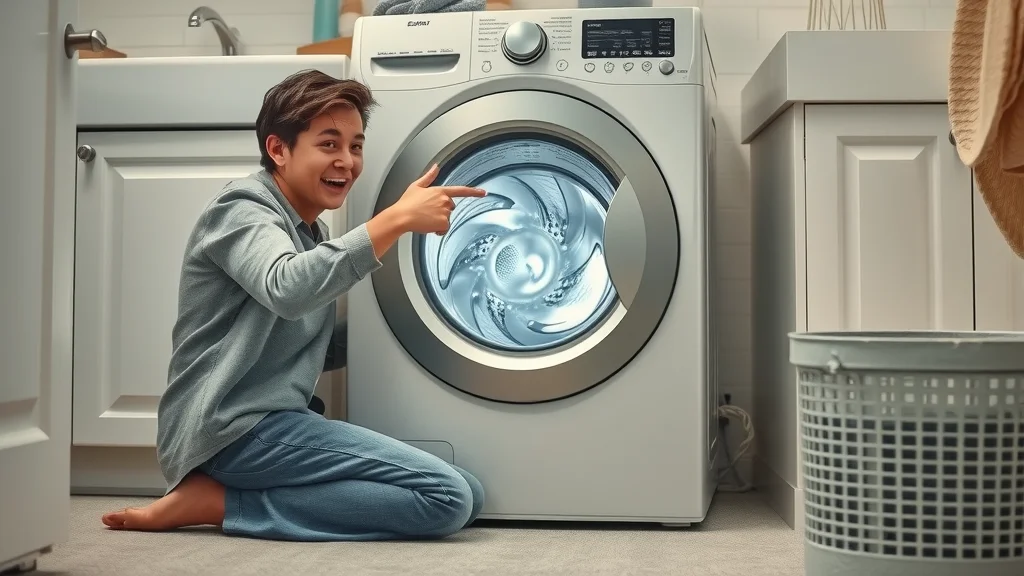
Could a simple filter, inspired by fish anatomy, really make such a difference? When I first used the fish mouth filter, I paid close attention to my machine’s drain cycle
Conversations with other early adopters and reviews from the University of Bonn suggested it wasn’t just me—thousands have seen firsthand the difference this filter makes. After only a dozen washes, the amount of trapped fibers was eye-opening. No more wondering whether my laundry water was harming rivers and wildlife. Instead, I felt empowered, knowing I was part of the solution. For anyone who cares for the planet or their own health, the evidence is more than convincing.
Insights from the University of Bonn and real-world user stories
The academic community, including the University of Bonn and the Fraunhofer Institute for Environmental research teams, has closely analyzed the real-world effects of the “fish mouth” filter. Their studies show removal efficiency routinely above 98%, even as filter designs are adjusted for different washing machine models. Lab-tested and field-proven, the data speaks to consistent, repeatable results—making the filter one of the most promising tools in the fight against microplastic pollution.
Equally compelling are the stories from ordinary users. Many are surprised by both the amount and the range of particles their filters collect, noting less visible pollution in waste pipes and reduced buildup inside their washing machines. Some have even reported fewer issues with blocked pipes, pointing to the “fish mouth” filter as a win-win innovation for maintenance and the environment. Most importantly, these experiences back up what the scientific community is saying: every household has a role to play in cleaner water, and this filter makes it possible.
How the 'fish mouth' filter Empowers Washing Machine Users
Empowerment often comes from education and having the right tools. With its intuitive installation and maintenance, the “fish mouth” filter puts microplastic control directly in the hands of everyday washing machine users. Rather than waiting for municipal water systems or legislative solutions, individuals can take immediate, positive steps toward minimizing pollution. And the process couldn’t be simpler, as outlined below.
This approach also helps foster awareness of the broader microplastic issue and demonstrates how collective small actions can drive large-scale environmental impact. The ease of using the filter means more households can contribute to reducing microplastic flow, letting the environment (and future generations) breathe just a little easier.
Installation and maintenance: Step-by-step guide for washing machine owners
-
Step 1: Identifying compatible washing machines
Most modern washing machines can accommodate the “fish mouth” filter; consult your manufacturer’s list or the filter packaging for fitment guidelines. Older models may require a universal adapter—but filters are rapidly catching up in terms of compatibility. -
Step 2: Simple installation process
With the right filter on hand, simply attach it to your washing machine’s wastewater outlet, usually with a click-fit or screw-on mechanism. There’s no need for complicated plumbing or tools for most installations; most users will be up and running in under 10 minutes. -
Step 3: Maintenance tips for long-term effectiveness
Rinse or tap out the collected microplastics from the filter every dozen washes or as directed in the manual. For heavy-use households, check the filter more frequently, especially after high-lint loads (e.g., fleece or synthetic fabrics). Regular cleaning keeps the system performing at full efficiency and prevents odors or clogs.
People Also Ask: Which Filters Remove Microplastics and How Effective Are They?
What filter removes microplastics from washing machine?
The “fish mouth” filter is designed specifically for washing machines, achieving industry-leading removal of up to 99% of microplastics from laundry effluent. Its natural sieve and gill arch-inspired structure captures even the smallest fibers, offering a practical and cost-effective solution for households concerned about microplastic pollution.
Does a Brita pitcher filter remove microplastics?
Brita pitchers are not engineered for microplastic removal; they are more focused on improving taste and reducing certain chemicals in drinking water. For targeting microplastics, specialized filters like the “fish mouth” filter in washing machines are a more effective choice.
Is there a filter that can remove microplastics?
Specialized filters like the “fish mouth” filter for washing machines are among the most effective, capable of capturing sub-micron plastic particles from wastewater. Their unique gill arch system and natural sieve structure set them apart from older, less efficient designs.
Can your body absorb microplastics from clothes?
While ongoing research continues, there is mounting concern about microplastics entering the human body through food and water, originating from sources like laundry waste. Preventing their release into water systems is a critical intervention to minimize health risks.
The Environmental and Health Impact of Microplastic Pollution from Washing Machines
How laundry-derived microplastics affect aquatic ecosystems and global health
When microplastics from washing machine wastewater enter rivers and oceans, the consequences are far-reaching. Aquatic animals—including fish and shellfish—ingest these particles, thinking they’re food. This not only harms individual animals but can disrupt entire food chains, transfers toxins to humans, and causes grave concern about potential chronic health effects. Scientists, governments, and advocacy groups globally are sounding the alarm and pushing for solutions that address microplastics at their source—our homes.
In addition to harming wildlife, these particles can return to us in unexpected ways. Tests show they can be found in tap water, sea salt, and even the atmosphere. Some regions are already responding by passing legislation aimed at reducing microplastic pollution, effectively making filters like the “fish mouth” filter more relevant for households that want to stay ahead of the regulatory curve and, ultimately, contribute to a cleaner, safer world.
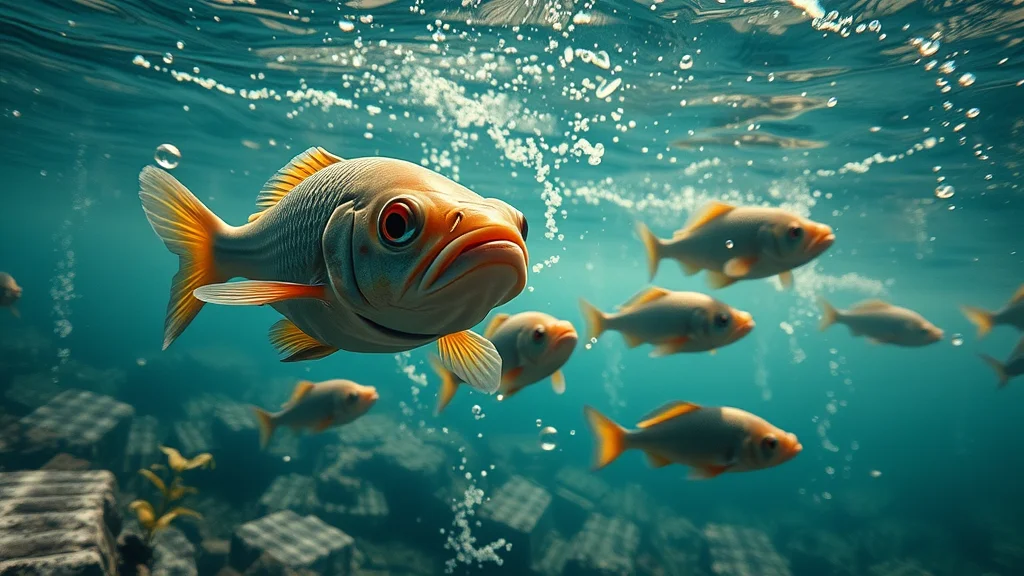
- Contamination of water bodies
- Potential impacts on fish and wildlife
- Human exposure via water and seafood
- Global legislative responses
Expert Opinions: What Researchers and Innovators Say About the 'fish mouth' Filter
"The 'fish mouth' filter sets a new standard in practical microplastic removal technologies for household washing machines." — University of Bonn Researcher
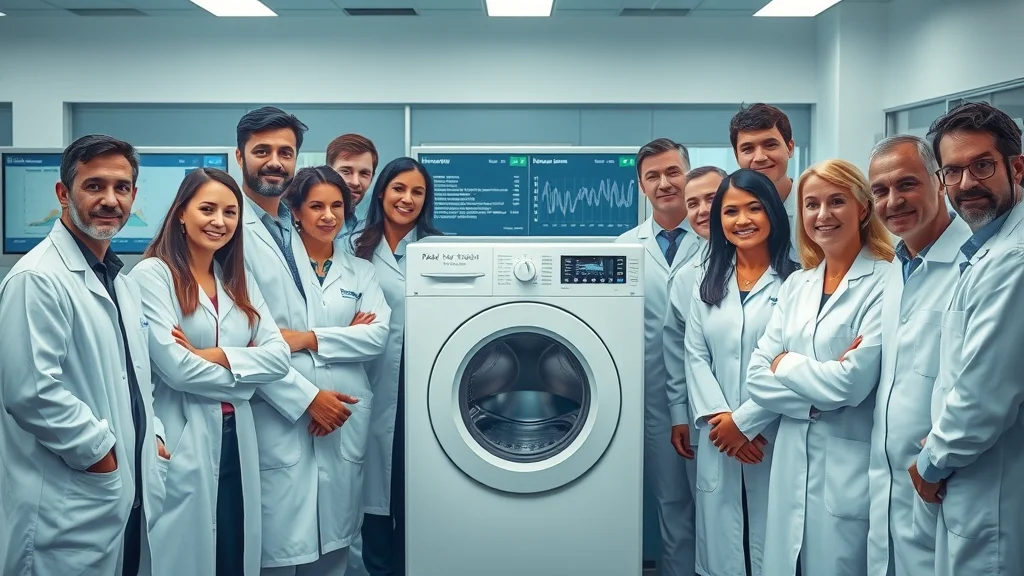
Leading water quality experts, engineers, and academics are impressed by the practical effectiveness of the fish mouth filter. Collaborations across institutions such as the University of Bonn and Fraunhofer Institute for Environmental have provided both practical product feedback and empirical validation—showcasing that this technology not only works under lab conditions but is reliable in daily use at home. Their consensus is clear: widespread adoption of such technology is an actionable step for households to address a global environmental challenge.
Users, innovators, and environmental advocates alike are heralding the fish mouth filter as a beacon of hope—providing a tangible way for consumers to participate in protecting water quality and public health, while driving market demand for more ambitious solutions to the microplastics crisis.
Key Takeaways: Why Every Washing Machine Should Have a 'fish mouth' Filter
- Unprecedented effectiveness: removes up to 99% of microplastics
- Easy to retrofit on most modern washing machine models
- Supports both personal health and environmental wellbeing
- Backed by academic and independent research
FAQs on the 'fish mouth' filter and Microplastic Filtration for Washing Machines
How often does the 'fish mouth' filter need replacement?
Most “fish mouth” filters are designed for durability and long-term use. Rather than frequent replacement, they require only simple cleaning—usually a rinse or tap out—every dozen washes. Depending on usage and fabric type, replacement intervals can be years rather than months.
Do I need professional help to install the 'fish mouth' filter in my washing machine?
No professional help is typically needed. Most fish mouth filters are designed for user-friendly, tool-free installation. Clear instructions come with every filter, and most consumers report being able to fit the device in under ten minutes without expert assistance.
Can the 'fish mouth' filter help meet emerging regulations on microplastics?
Yes. Several regions are considering or have enacted new rules requiring microplastic capture on household washing machines. The fish mouth filter is engineered with these standards in mind, making it a go-to solution for compliance and for households wishing to proactively reduce their environmental impact.
Will using the 'fish mouth' filter affect my washing machine’s performance?
No. The fish mouth filter’s biomimetic design ensures high filtration without impeding water flow or causing blockages. Proper maintenance ensures optimal performance of both your machine and the filter, while keeping your laundry process as efficient as ever.
Final Thoughts and Next Steps: Taking Personal Responsibility for Cleaner Water
Upgrading your washing machine with a “fish mouth” filter is a simple, practical action with a massive environmental payoff—protecting water systems, wildlife, and your household’s health today and for the future.
Becoming part of the solution: Upgrading your washing machine with a 'fish mouth' filter
By installing a “fish mouth” filter, you join a growing movement of environmentally conscious households and organizations. This tiny device empowers you to stop millions of microplastics at the source, supporting a cleaner, safer world for all. Every time you start a wash cycle, you’re making a real difference. So don’t wait—equip your washing machine today and become part of the next wave in environmental protection.

Get Involved: Become an AMPLIVO / CORSAIR Plastic Independent Affiliate
Ready to take your commitment a step further? Become a AMPLIVO / CORSAIR Plastic Independent Affiliate today and help spread the word about microplastic solutions—while making a real difference for our planet and future generations




Write A Comment