

Every minute, the equivalent of a garbage truck’s worth of plastic pours into our oceans. This relentless onslaught has given rise to environmental nightmares like the Great Pacific Garbage Patch, a swirling mass of debris larger than many countries. But amid this grim reality, one young Dutch inventor—Boyan Slat—has proven that a single determined vision can mobilize the world to action. Through audacious innovation, record-shattering crowdfunding, and the birth of The Ocean Cleanup, Boyan Slat’s journey shows us what is possible when we refuse to accept environmental catastrophe as the status quo.
A Startling Journey: Boyan Slat, Ocean Cleanup, and the Pacific Garbage Patch
The story of Boyan Slat founding The Ocean Cleanup & record crowdfunding is a compelling example of how youthful ambition, ingenuity, and global awareness can intersect to solve some of our planet’s most daunting problems. The journey began not in the boardrooms of Silicon Valley or the lecture halls of world-famous institutes, but in the heart of a curious teenager scuba diving in Greece. At just sixteen, Boyan Slat encountered more plastic bags than fish—a deeply unsettling experience that would become the catalyst for a global movement. This hands-on awareness of the plastic pollution crisis drove Slat to transform his high school science project into an audacious plan to rid our seas of plastic waste.
Rather than shrink from the enormity of the task, Slat faced the Great Pacific Garbage Patch head-on, relying on rigorous feasibility studies, relentless experimentation, and a nuanced understanding of how ocean currents move plastic around the globe. This commitment led to the formation of The Ocean Cleanup, a nonprofit with a bold mission: to develop scalable technologies that could finally make a dent in the problem of deep sea and ocean plastic. Harnessing social media, savvy communication, and the powerful momentum of hope, Slat’s record-breaking funding campaign would soon galvanize the world.

Unconventional Beginnings: Boyan Slat’s Vision for Ocean Cleanup
Slat’s vision was never conventional. Instead of small-scale beach cleanups or public service announcements, he sketched out monumental designs that leveraged ocean currents to naturally funnel and extract plastic. Early critics—some within academia, others among environmental NGOs—branded his idea as naïve or impossible. Yet, using his growing platform (including a breakthrough TEDx talk), Slat assembled a passionate, international team. He laid the engineering groundwork using skills honed at Delft University of Technology, combining theoretical knowledge with the pragmatism of an inventor in action. Supported by school project experimentation and rigorous feasibility studies, Boyan positioned the Ocean Cleanup as a tech-based, results-oriented solution—an approach distinct from traditional environmental activism.
The challenges Boyan Slat faced in launching The Ocean Cleanup echo the broader struggles encountered by innovators in the renewable energy sector, where political and economic factors can significantly impact progress. For a closer look at how policy decisions shape the future of sustainable industries, explore the impacts of political actions on offshore wind jobs in America and discover the parallels in overcoming obstacles to environmental advancement.
"Human history is determined not by what happens, but by what we choose to do." – Boyan Slat
Confronting the Great Pacific Garbage Patch Head On
No aspect of boyan slat founding The Ocean Cleanup & record crowdfunding is more striking than his direct approach to the Great Pacific Garbage Patch. Much of the world’s plastic waste accumulates here—the world’s largest marine debris field, stretching between Hawaii and California. While this patch represents only the most visible evidence of our “oceans of plastic,” it serves as the rallying point for innovation, research, and action. Slat’s technology, which includes massive floating booms and solar-powered vessels, is designed not just for the deep sea but to navigate harsh marine environments and operate at a scale where meaningful remediation is possible.
The successes—and setbacks—of the Ocean Cleanup’s first deployments garnered sea news headlines and inspired public fascination. Building a robust operation required scientific agility, a willingness to iterate designs, and an ability to withstand setbacks in unpredictable ocean conditions, often chronicled in deep sea news and global media. Through tenacity and vision, Slat evolved from youthful inventor into the “CEO of the Ocean,” capturing worldwide interest in every new test and milestone as he battled the ever-growing plastic tide.
What You'll Learn from Boyan Slat Founding The Ocean Cleanup & Record Crowdfunding
- How Boyan Slat ideated and implemented ocean cleanup innovations
- Insights on the record crowdfunding efforts for The Ocean Cleanup
- The challenges of tackling the Great Pacific Garbage Patch
- Current progress and future outlook for ocean cleanup efforts
- The wider impact of the funding campaign on plastic pollution awareness
Rethinking Plastic Pollution: The Scale of the Problem
The true scale of plastic pollution is often underestimated—even by environmentalists. Each year, over 8 million tons of plastic waste enters the ocean, steadily feeding sprawling formations like the Great Pacific Garbage Patch. This floating mass, made up of tiny microplastics, discarded fishing nets, and throwaway poly bags, is not just a blemish on the open sea; it’s a threat to marine life, food webs, and even human health. Cleanups focused solely on surface debris have proven insufficient, as plastics continually break down and enter the deep sea, multiplying the challenge many times over.
Boyan Slat’s holistic approach—targeting both river “plastic arteries” and open-ocean patches—sets a precedent for future solutions. By making the problem visible (via stunning satellite and drone imagery), the movement keeps the issue front and center in public discourse. As Slat often reiterates, “The equivalent of a garbage truck’s worth of plastic enters our oceans every single minute. ” This sobering fact keeps urgency high and underpins the need for radically scalable approaches to ocean cleanup technology. In this age of endless sea news about environmental crises, action speaks louder than awareness alone.
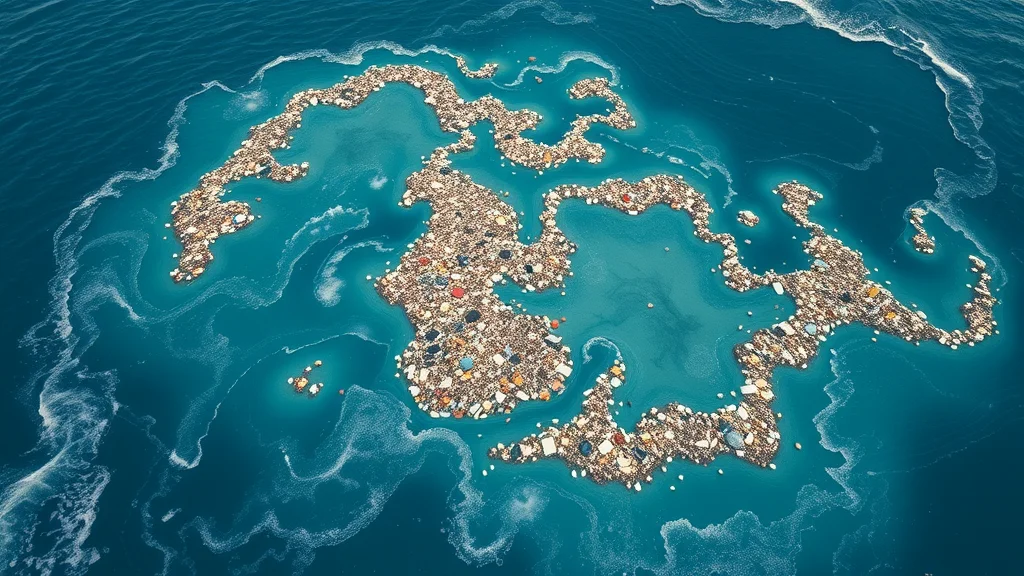
Plastic Pollution: Great Pacific and Beyond
The phenomenon goes far beyond the visible Pacific Garbage Patch. Rivers act as conduits, carrying plastic bags, packaging, and industrial refuse from continents into all five gyres—the swirling ocean currents that accumulate marine litter into ever-growing patches. It is a global issue, afflicting not just the great pacific but all corners of our interconnected seas. From urban riverbanks in Asia to remote atolls in the Pacific, microplastics now outnumber plankton in some waters. Wildlife—from seabirds to whales—are increasingly at risk, often mistaking plastics for food or becoming entangled in discarded nets.
This broad context is vital to understanding Boyan Slat founding The Ocean Cleanup & record crowdfunding. Slat’s emphasis on data, ongoing monitoring, and transparent reporting (including collaborative feasibility studies with major scientific institutions) ensures that solutions address not just one patch, but the underlying systems causing plastic to enter the oceans in the first place. By scaling up both awareness and action, the movement inspires governments, corporations, and citizens to rethink consumption, recycling, and the fate of every plastic bag we use daily.
Record Crowdfunding: How Boyan Slat Magnetized Global Support
Confronted with skepticism and the financial demands of large-scale ocean cleanup, Boyan Slat broke new ground in environmental fundraising. In 2014, his team launched what would become one of the largest ever environmental crowdfunding campaigns. The innovation was not just in the technology, but in the way Slat and The Ocean Cleanup connected with millions worldwide. Social media, viral videos, and a hopeful, action-focused message converged to turn what was once a high-school project into a major international movement.
By 2014, The Ocean Cleanup had raised $2. 2M through online public contributions, outstripping previous records and setting a new benchmark for grassroots environmental efforts. These funds enabled critical developments: advanced prototyping, deployment of test systems in the North Sea, and the first operations targeting the Pacific Garbage Patch. The campaign’s openness—with progress updates, data releases, and public Q&A—fostered deep trust and drew ongoing support from the grassroots to corporate partnerships.
Funding Campaign Strategy: From Concept to Mass Movement
The secret behind the success of The Ocean Cleanup’s funding campaign lay in strategic communication and relentless engagement. Slat and his team consistently updated backers via sea news, technical blogs, and educational webinars, blending transparency with motivation. Using clear goals, compelling visuals, and tangible impact metrics, the campaign empowered donors to see themselves as stakeholders in a groundbreaking mission. This approach inspired not only individuals, but also corporate entities eager to enhance their own sustainability credentials.
A conscious decision was also made to nurture community ownership rather than simply soliciting charity. The campaign highlighted stories of supporters, showcased the assembly of cleanup systems, and celebrated shared victories. Key milestones—from the first successful feasibility study to each deployment announcement—became viral moments, propelling the brand into mainstream global consciousness. As a result, the project drew innovative partners and secured substantial grants from companies committed to a cleaner future.
| Milestone | Funds Raised | Impact |
|---|---|---|
| Initial Launch (2013) | $90,000+ | Feasibility Study & Public Awareness |
| Record Crowdfunding (2014) | $2.2M+ | Prototype Development |
| Corporate Partnerships | $3M+ | Scaling to Full Deployments |

Innovative Messaging and the Power of Community
Central to the Ocean Cleanup’s success was Slat’s understanding that changing the world requires uniting people. Rather than focusing on doom or blame, the campaign positioned everyone as part of the solution. Innovative messaging—combining hope, technological optimism, and practical action—brought onboard a diverse community of scientists, engineers, tech enthusiasts, students, and volunteers from every continent.
"It’s not about one person cleaning the ocean, but about inspiring millions to make a difference."
Fundraisers leveraged the excitement of progress, using testimonials and documented impact to keep momentum high. As the campaign grew, it spawned spin-off efforts—from in-school competitions to engineering hackathons—each amplifying the core vision of restoring our seas through collective action. The lesson: When paired with technology and authentic storytelling, the power of community can accomplish what once seemed beyond reach, including making real strides against the oceans of plastic threatening our future.
The CEO of The Ocean: Leadership Lessons from Boyan Slat
Slat’s journey from high school student to internationally recognized environmental entrepreneur epitomizes transformative leadership. As the self-titled CEO of the Ocean, he has demonstrated that technical acumen, communication skills, and resilience are all essential. His willingness to learn from deep sea news, partner with established researchers, and remain transparent through setbacks has fostered an organization that is both innovative and adaptive.
Emphasizing results over rhetoric, Slat’s management style values clear metrics, data-driven decision making, and a culture of relentless experimentation. As The Ocean Cleanup continues to expand, new initiatives—such as Interceptor river cleanup technologies and extended ocean deployments—further illustrate the value of cross-sector leadership and forward-thinking management in the battle for sustainable seas.
From Student to CEO: Boyan Slat’s Evolution
Boyan’s origin as an inquisitive youth who loved scuba diving is inseparable from his rise as a global leader. His days at Delft University of Technology and inspiring early talks—particularly his TEDx talk on scalable technologies to rid the oceans of plastic—served as crucial launchpads. His transition from student tinkerer to full-fledged organizational leader involved mastering project management, fundraising, recruiting diverse talents, and navigating international environmental politics.
Today, as a recognizably outspoken CEO, Slat not only champions innovative engineering, but also tackles issues of policy, awareness, and ethical responsibility. His ability to align vision and execution has attracted a legion of passionate young scientists, skilled engineers, and experienced advisors. Boyan’s evolution offers invaluable lessons for youth worldwide: It is possible—through grit, mentorship, and unflinching dedication—to create real change in arenas as vast as the great pacific itself.
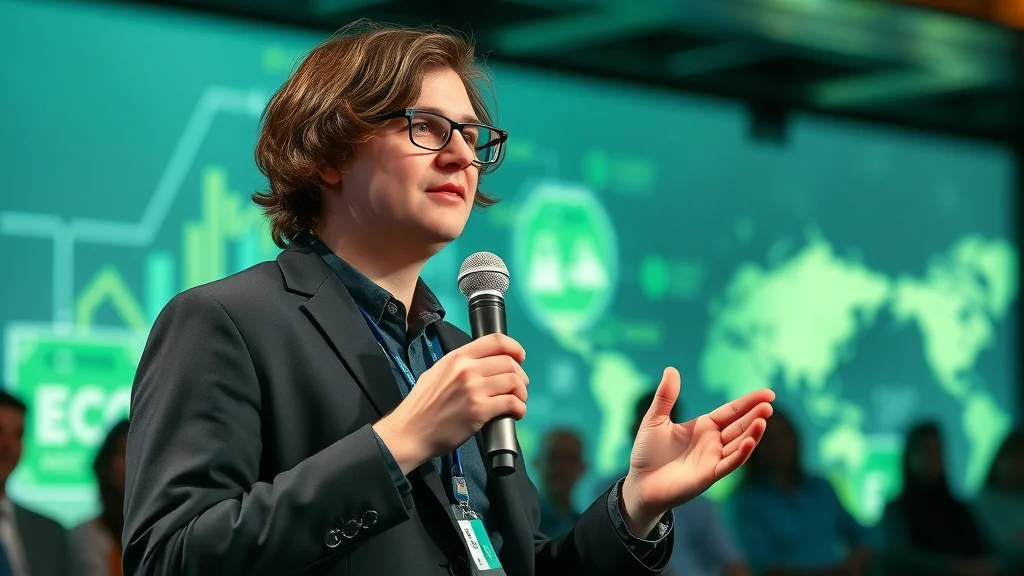
Overcoming Doubt: The Obstacles to Ocean Cleanup Success
Every bold endeavor faces its share of challenges, and the Ocean Cleanup is no exception. Early on, critics pointed to technical limitations: Could floating booms withstand fierce ocean currents? Would microplastics escape capture? Could extracting plastic from remote waters outrun the pace at which new trash pours in? Skeptics questioned the viability of removing plastic at a rate that would make a difference.
But Slat’s approach has always centered on learning from each failure. System 001, the project’s first full-scale deployment, faced complications and was refined through several iterations. Each setback—whether technical or financial—was met with transparency, public engagement, and renewed research focus. Granting access to deployment data, fostering open-source engineering conversations, and publishing both failures and successes cemented Slat’s status as a relentless innovator who uses criticism to drive improvement for boyan slat founding the ocean cleanup & record crowdfunding.
People Also Ask about Boyan Slat, Ocean Cleanup, and Crowdfunding
How did Boyan Slat make his money?
Answer: Boyan Slat made his money primarily through record-breaking crowdfunding campaigns, private donations, corporate partnerships, and grants directed toward The Ocean Cleanup’s mission.
What is Boyan Slat doing now?
Answer: Boyan Slat continues to lead The Ocean Cleanup nonprofit, expanding its reach by researching, developing, and deploying technology that targets not only the Great Pacific Garbage Patch but also river sources of plastic pollution.
Did MrBeast actually clean the ocean?
Answer: While MrBeast's #TeamSeas project raised millions to remove trash from oceans and rivers, it functioned independently yet in parallel spirit to The Ocean Cleanup, highlighting global interest in plastic pollution challenges.
Who funds The Ocean Cleanup?
Answer: The Ocean Cleanup is funded through public donations, record crowdfunding campaigns, philanthropic grants, and partnerships with companies committed to sustainability.
Wider Ripple: The Impact of Boyan Slat’s Ocean Cleanup Mission
The ripple effects of boyan slat founding The Ocean Cleanup & record crowdfunding extend far beyond the reduction of surface plastics. The initiative catalyzed policy changes, inspired new cleanup technologies, and amplified the plastic awareness movement worldwide. Slat’s work sparked action among politicians, corporations eager to green their supply chains, and, perhaps most significantly, among young people searching for ways to make a big impact early in their careers. The legacy isn’t just innovation—it is hope, momentum, and a recalibration of what’s possible in the fight to reclaim our oceans.
By raising over $30 million to date and fostering a growing network of environmental changemakers, The Ocean Cleanup has firmly anchored itself in history as a turning point in humanity’s relationship to plastic. The organization’s technology, now being adapted for use in the world’s most polluted rivers and seas, demonstrates how vision, inclusiveness, and action can transform daunting environmental threats into practical, scalable solutions.
Highlights: The Legacy of Boyan Slat, Ocean Cleanup, and Plastic Awareness
- Raised over $30 million to date
- Inspired global youth leadership in environmental tech
- Brought worldwide attention to the Great Pacific Garbage Patch
- Developed scalable solutions for ocean plastic collection
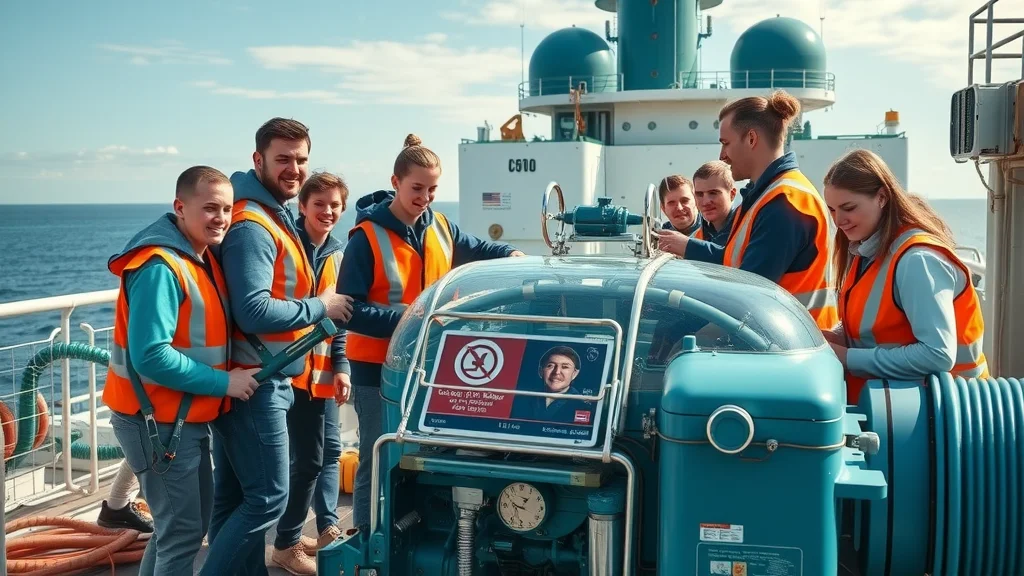
FAQs on Boyan Slat Founding the Ocean Cleanup & Record Crowdfunding
-
What is the long-term sustainability plan for The Ocean Cleanup?
The Ocean Cleanup aims to achieve full-scale, financially sustainable operations by selling recycled ocean plastics, forming lasting partnerships, and continually improving system efficiency to maximize impact. -
How much plastic has The Ocean Cleanup removed?
As of 2024, The Ocean Cleanup has removed hundreds of tons of plastic from the Great Pacific Garbage Patch and various rivers, with efforts expanding each year as technology improves. -
Is the technology being used effective for different types of ocean plastics?
Yes, the systems are designed to capture a broad range of plastic sizes—from large fishing nets to microplastics—by leveraging flow dynamics and tailored barriers, ensuring adaptability to diverse marine conditions. -
How can individuals contribute to the mission?
Individuals can support The Ocean Cleanup by donating, spreading awareness, reducing daily plastic use, or becoming brand ambassadors and technology volunteers in their local communities.
Key Takeaways from Boyan Slat Founding The Ocean Cleanup
- Persistence in innovation is crucial to environmental progress.
- A single visionary can mobilize the world against plastic pollution.
- Effective communication fuels successful funding campaigns.
- Cross-sector partnerships accelerate impact at scale.
Ready to Make a Difference?
Become a AMPLIVO / CORSAIR Plastic Independent Affiliate: https://jointhecleanup.com/seamandan
Boyan Slat’s Ocean Cleanup proves that visionary leadership, relentless innovation, and the power of global community can turn the tide on plastic pollution—one bold idea at a time.
If you’re inspired by the story of Boyan Slat and the transformative impact of grassroots innovation, consider broadening your perspective on how environmental progress is shaped by larger forces. Delve into the complex relationship between policy, industry, and sustainability by reading about why political actions threaten offshore wind jobs in America. Understanding these dynamics can empower you to advocate for change not just through technology, but also by supporting the policies and collaborations that drive a cleaner, more resilient future for our planet.
Sources
- The Ocean Cleanup – https://www.theoceancleanup.com/
- National Geographic – https://www.nationalgeographic.com/environment/oceans/critical-issues-ocean-pollution/
- BBC News – https://www.bbc.com/news/science-environment-49660806
- TED – https://www.ted.com/talks/boyan_slat_how_we_will_rid_the_oceans_of_plastic
- Reuters – https://www.reuters.com/article/us-environment-plastics/oceans-of-plastic-driving-boyan-slat-cleanup-crusade-idUSKCN1J31H1
Boyan Slat’s journey in founding The Ocean Cleanup and achieving record-breaking crowdfunding is a testament to the power of innovative thinking and global collaboration. For a comprehensive overview of his early inspirations, the development of his passive plastic collection system, and the challenges faced during initial deployments, consider reading the article “A Dutch Teenager Had a Dream to Clean Up the World’s Oceans. 7 Years On, It’s Coming True. ” (time. com) Additionally, the piece “Thiel, Benioff backing 22-year-old’s dream to clean up world’s oceans” delves into the significant support from high-profile investors like Peter Thiel and Marc Benioff, highlighting the financial backing that propelled The Ocean Cleanup’s mission forward. (cnbc. com) If you’re serious about understanding the inception and growth of The Ocean Cleanup, these resources will provide valuable insights into the project’s evolution and the collaborative efforts that have driven its success.








Write A Comment