Add Row
Add Element
Metal Green Innovators Logo
update
Metal GreenInnovators
update
Add Element
  • Home
  • Categories
    • Eco Metals
    • Tech Trends
    • Green Processes
    • Innovative Designs
    • Sustainable Materials
    • Industry Insights
    • Future Fabrication
    • Featured Business Profiles
  • All Posts
  • Eco Metals
  • Tech Trends
  • Green Processes
  • Innovative Designs
  • Sustainable Materials
  • Industry Insights
  • Future Fabrication
  • Featured Business Profiles
February 10.2026
1 Minute Read

Why This AI Data Center Race Across 50 States Matters

Did you know that in 2023, US data centers—fueled mainly by explosive growth in artificial intelligence—used more power than some entire countries? The AI data center revolution is quietly transforming America in ways few expected, and its high stakes touch everything from your electricity bill to the jobs shaping your community.

Setting the Stage: The AI Data Center Surge Across America

“In 2023, data centers in the US consumed more power than some countries—driven largely by the AI revolution.”

  • Over 2,700 data centers are now operating in the USA, with an unprecedented surge in AI-focused construction since 2022.

  • Texas, Virginia, and Iowa lead the nation in new AI data center builds, but every state reports at least one major data project in play.

  • Growth rates top 18% annually in states offering large tax breaks or access to renewable energy.

  • Collectively, AI data centers in 2023 are estimated to have consumed nearly 4% of total US electricity output—and projections expect this figure to double in five years.
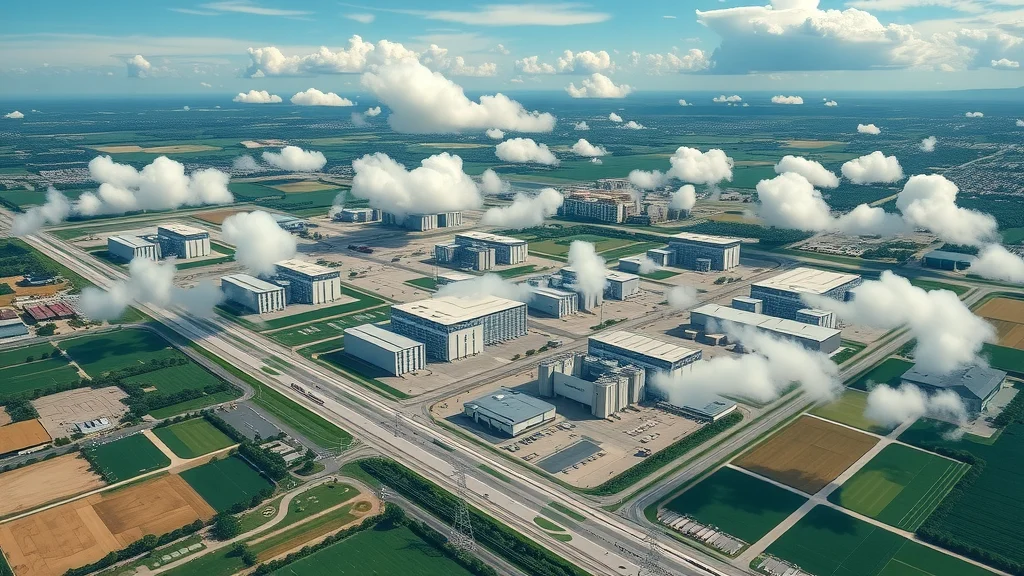
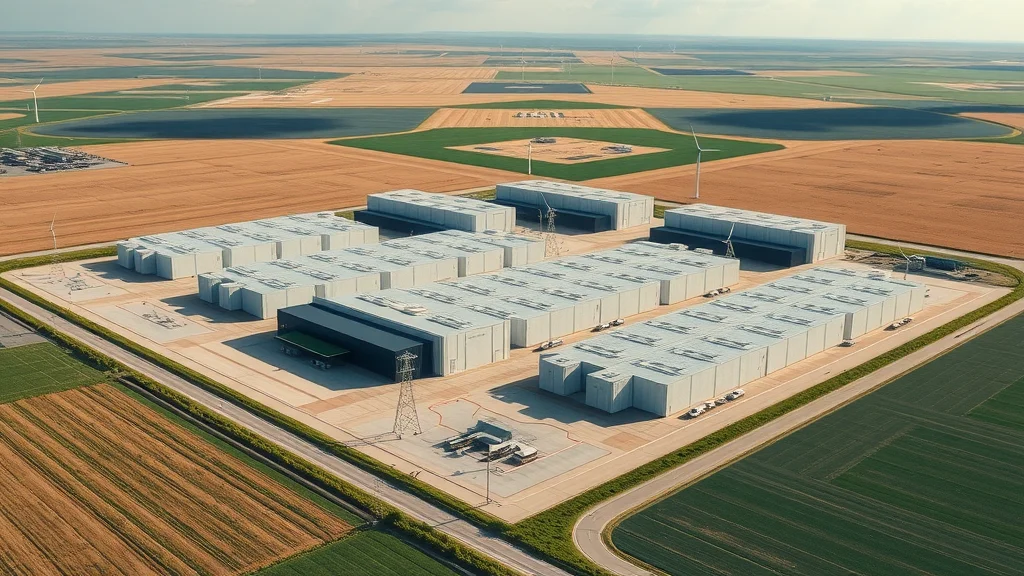
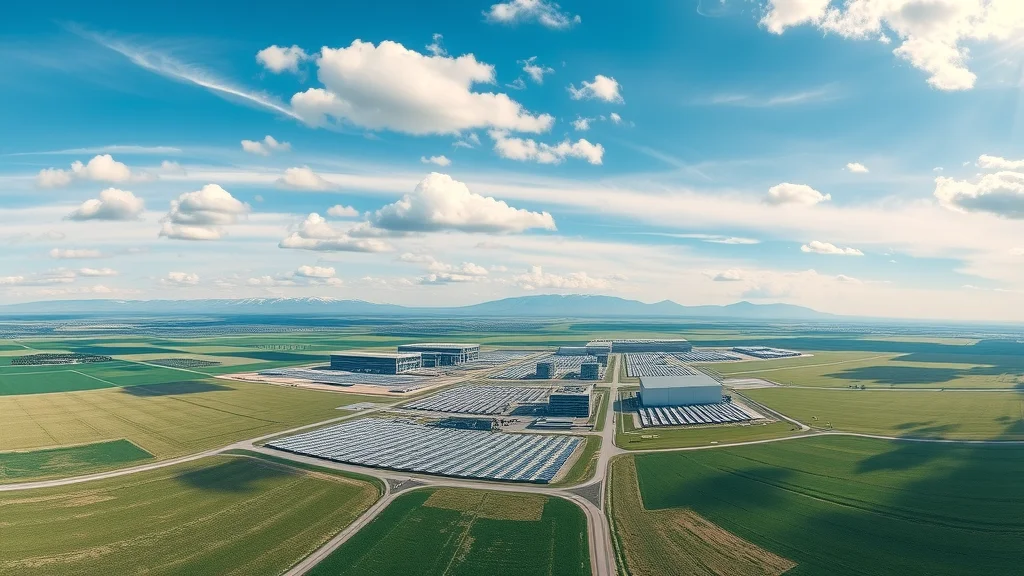
Sweeping aerial view of sprawling data centers across an American landscape, emphasizing AI data center expansion, power lines, and varied topography.

“AI’s insatiable appetite for data is remapping the energy and infrastructure landscape from coast to coast.”

What You’ll Learn From This Data Center Race (AI Data Center Growth)

  • What’s fueling the rush for new AI data centers

  • How AI data centers impact local economies

  • Environmental and energy sustainability challenges

  • What the data center boom means for technology and society

This article dives into America’s race to dominate the AI data center landscape. You’ll explore the forces behind the rapid growth of data centers, see why big tech companies choose some regions over others, understand the environmental impact, and discover what the future could look like for both business and society as more of our lives become connected to AI-powered infrastructure.

What Is Driving the AI Data Center Boom Across 50 States?

The Role of AI Data Processing in Sparking a Data Center Revolution

The primary reason for this AI data center explosion is the immense processing power needed by next-generation artificial intelligence algorithms and machine learning models. As AI models grow larger and more complex, they require specialized hardware, vast storage, and high-speed connections to handle billions of data points—far more than traditional data centers can accommodate. The push from global tech companies—including those leading AI research and cloud computing—has ignited a tech wave now sweeping from California to the Carolinas.

Incentives offered by state and local governments are also reshaping the landscape. Many states now offer property tax breaks, subsidized electricity, and expedited permitting for data center developments, which has turned AI data center construction into a competitive race for economic development. Beyond incentives, the escalation of digital infrastructure requirements—think faster internet for everyone and business resets driven by AI tech—has meant that every sector from healthcare to logistics is pushing back against old systems and embracing new, energy-hungry AI-powered data centers.

  1. Demand for generative AI

  2. Expansion of cloud computing

  3. State-level incentives for data centers

  4. Escalation of digital infrastructure requirements
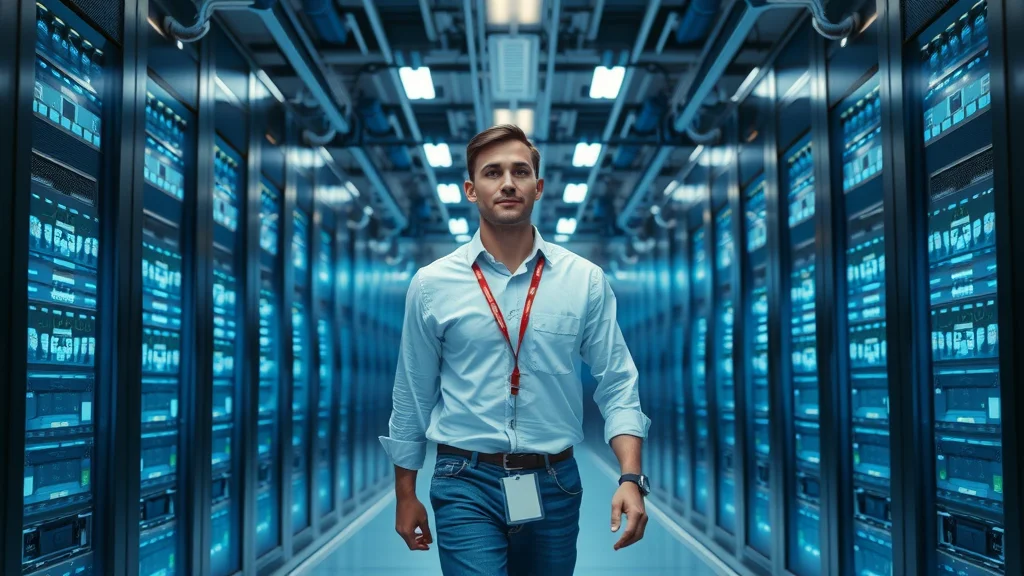
Technician walking in a vibrant high-performance AI server room, highlighting energy use and advanced hardware in AI data centers.

As states compete to attract these high-tech facilities, the interplay between political decisions and clean energy job creation becomes increasingly significant. For a closer look at how policy shifts can impact renewable energy sectors and the broader workforce, explore the impacts of political actions on offshore wind jobs in America and see how energy infrastructure choices ripple through local economies.

From Silicon Valley to Small Towns: Where Data Centers are Shaping America

States Ranked by AI Data Center Growth, Power Consumption, and Job Creation

State

New AI Data Centers (2022–2024)

Power Consumption (MW)

Estimated Jobs Created

Virginia

120

2,500

22,000

Texas

70

1,900

16,000

Iowa

60

1,200

8,000

Ohio

45

950

6,700

Georgia

40

700

5,200

Regional differences in AI data center distribution

The data center boom is far from uniform. While Silicon Valley remains an innovation hub, the real growth is often happening in rural areas and small towns. Factors like cheap land, access to renewable energy, reliable infrastructure, and local workforce availability make places like Iowa, Georgia, and even northern Nevada unexpected leaders. Coastal states often deal with high power costs and regulatory hurdles, driving some AI tech companies inland in search of friendlier environments for powering their AI data centers.

States such as Virginia have earned the nickname “Data Center Alley,” thanks to a concentration of infrastructure and state-of-the-art networks, while others like Nebraska, Utah, and Arizona are rapidly catching up by attracting new waves of investment. This shifting geography is remapping not only the tech industry, but also affecting power demand, tax policy, and community planning nationwide.

Why some states are magnets for data centers (incentives, energy, location)

States competing for AI data center investments entice tech companies through aggressive tax incentives, subsidies, streamlined permitting, and guarantees of clean or low-cost energy. Access to robust and reliable electricity grids is a major draw, as is proximity to fiber optic cable networks and favorable climate conditions that allow for cheaper cooling. As a result, regions with a mix of affordable land, access to wind or solar energy, and pro-business regulatory climates are becoming magnets in the new digital gold rush. The transformation is visible—not only in bustling tech cities, but also in once unremarkable communities now at the forefront of the ai data center wave.

For example, places like North Carolina and Oregon have seen significant economic boosts as global players build major AI data centers, while states lagging on incentives risk missing out on jobs and tax revenues. In some cases, these new centers are built on former farmland, in old industrial parks, or even in abandoned malls, which are repurposed as leading-edge digital infrastructure hubs.

The Hidden Power Struggle: Who Will Energize AI Data Centers?

"The thirst for power from AI data centers has utility executives scrambling for solutions."

How energy grids adapt to surging AI data center demand

As AI data centers rapidly multiply, power demand is placing unprecedented stress on America’s electrical grids. Utilities are racing to upgrade transmission lines, modernize substations, and collaborate with tech companies on large-scale grid management. The result: a scramble not just to meet demand, but also to balance reliability and sustainability in the face of record electricity consumption rates for artificial intelligence infrastructure.

  • Solar: Massive solar fields are being installed adjacent to new data centers.

  • Wind: On-site wind farms help supply clean energy directly to facilities.

  • Traditional: Natural gas and, in some cases, coal still supplement energy needs, especially in regions with limited renewables.
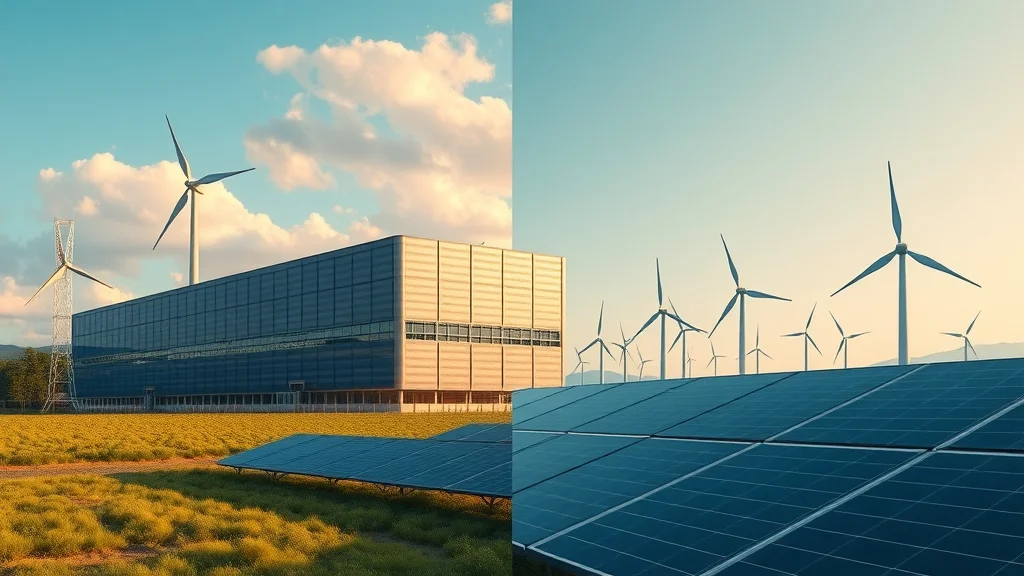
AI data center flanked by solar panels and wind farm, symbolizing renewable energy powering artificial intelligence infrastructure.

Innovative solutions include microgrids, battery storage, and utility-scale wind and solar farms feeding directly or virtually into data centers. These investments not only support the massive AI tech wave, but also reshape traditional relationships between utilities, customers, and new, energy-intensive industries like AI.

Power politics: The negotiation between utilities, AI giants, and governments

The power struggle isn’t just about the flow of electricity—it’s a political and economic tug-of-war. Utilities are negotiating directly with tech giants to construct dedicated renewable projects, while governments push for green commitments among new entrants. These partnerships are redefining how energy contracts are drafted, and who controls the balance between public and private interests in a fast-evolving digital landscape.

There are also tough conversations around who foots the bill for upgrades and where new power generation is built. As more AI data centers plug in, local governments are leveraging the promise of jobs and tax windfalls, while residents question the impact on infrastructure, power rates, and environmental goals. Ultimately, these discussions underscore the unprecedented influence that data centers—particularly those aligned with AI tech—now wield in the nation’s politics, economics, and power grid planning.

Environmental Toll: Can Green Energy Keep Pace with AI Data Center Expansion?

Sustainability innovations for energy-hungry AI data centers

  1. Advanced cooling: Adoption of liquid-cooling and evaporative systems to cut energy waste.

  2. Energy reuse: Redirecting waste heat to local district heating systems or greenhouses.

  3. Carbon offsets: Investing in renewable projects or purchasing offsets to neutralize emissions.

“A single mega AI data center can consume as much power as a small city—and that power often comes from fossil fuels.”

To combat their massive carbon footprints, many new and existing AI data centers are prioritizing energy-efficient design and sourcing as much power as possible from renewables. Emerging best practices include using less water, capturing and reusing heat, and deploying smart building controls that optimize for both performance and sustainability. There is growing recognition, however, that even the greenest strategies sometimes can’t offset the sheer scale of power demand, putting additional pressure on the grid and on efforts to achieve local and national climate goals.

Challenges of balancing data center growth with climate goals

Despite headline-making advances in renewables and energy efficiency, many communities struggle to reconcile the growth of AI data centers with broader environmental ambitions. Electricity consumption of such facilities regularly exceeds that of major factories or entire towns. Without fast-tracked clean energy investment and grid modernization, the environmental toll threatens to undercut progress towards sustainability, especially in regions still reliant on fossil fuels.

It’s a delicate balance: Data centers driving AI progress are fundamental to future innovation, but unchecked growth could stall or even reverse achievements in reducing US carbon emissions. Governments and tech leaders must carefully weigh the benefits and risks attendant to every new AI data center project if they want to maintain credibility and momentum in the fight against climate change, all while advancing American leadership in artificial intelligence.

Economics of the AI Data Center: Winners and Losers in the New Digital Gold Rush

Economic Impact of AI Data Centers Across Major US Regions

Region

Direct Jobs

Average Annual Tax Revenue

Average Utility Costs Increase (%)

Mid Atlantic

25,000

$420M

+6%

Southwest

18,500

$290M

+7%

Pacific

11,200

$180M

+5%

Midwest

13,700

$135M

+4%

Job creation, tax incentives, and real estate transformations

AI data centers are more than just high-tech facilities—they function as economic engines for many regions. Direct employment in construction and maintenance drives thousands of new jobs, often in areas needing revitalization. Real estate values can soar as rural or post-industrial land is remade into futuristic tech hubs. State and local governments frequently tout these benefits when pitching communities on the virtue of welcoming more data center development.
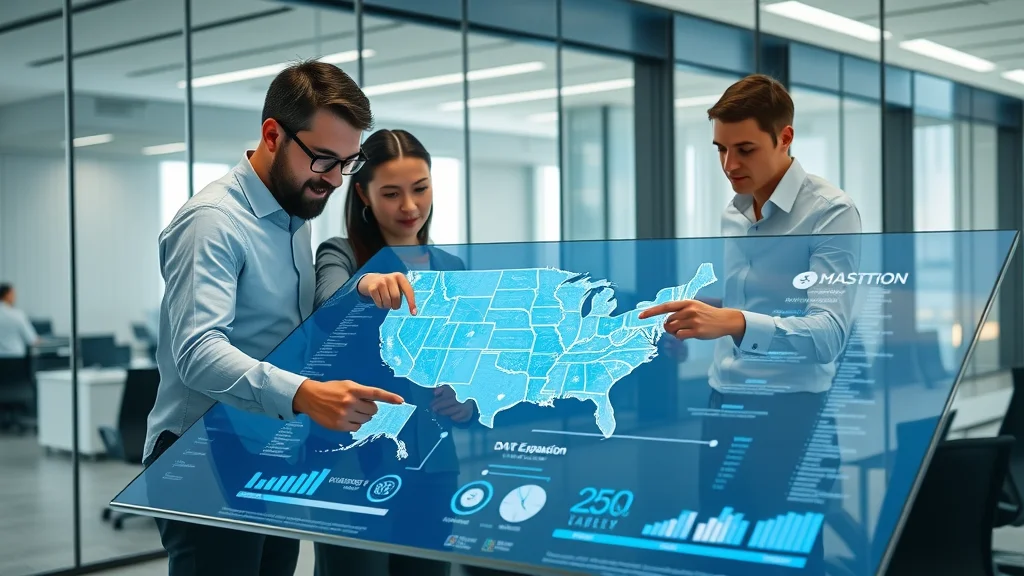
Modern office workers collaborating over a digital map of data center expansion, symbolizing economic and real estate transformations from AI data centers.

Lucrative tax incentives, including multimillion-dollar sales-tax exemptions and property tax abatements, further entice major AI tech companies. These incentives, however, can come with hidden trade-offs. Public dollars diverted to lure new projects sometimes strain education and community budgets, and the new jobs rarely match the quantity or skill requirements expected. The result is a patchwork of winners and losers in the economic wake of AI’s digital gold rush.

The overlooked costs: strain on local infrastructure, rising power rates

Beneath the headlines, there are costly consequences to the rapid rise of AI data centers. Water use, power draw, traffic congestion, and impacts on existing infrastructure can all take a toll on the communities that host these facilities. As global electricity demand for data centers climbs, local residents may experience higher utility costs—sometimes without a meaningful uptick in permanent, well-paying jobs. Not all regions win; some struggle to make the math work, sparking local debates over fairness and long-term investment.

The economic story of AI-driven data centers is therefore nuanced. Some towns are transformed for the better; others question if the promised benefits ever arrive. Careful policy, community engagement, and honest dialogue are essential to ensure this new chapter in America’s tech history is a win-win for all.

The Rise of Mega Data Centers: Defining the New Normal in Digital Infrastructure

"Mega data centers will make today’s server farms look like mom-and-pop shops—flexing tens of thousands of racks and entire gigawatts of power."

  • What makes a data center “mega”? Size of 100,000+ square feet and 100MW+ power draw

  • Key technical and operational characteristics: Tier IV reliability, hyperscale networks, advanced security protocols

  • Why AI needs hyperscale environments: AI workloads demand massive power, specialized chips, and robust connectivity

Case studies: Notable mega data centers in development or operation

In recent years, mega data centers have redefined the boundaries of what’s possible in digital infrastructure. Facilities like Microsoft’s Quincy Campus in Washington, Google’s Council Bluffs, Iowa complex, and Meta’s sprawling Virginia developments showcase tens of thousands of servers and entire gigawatts of dedicated power. These campus-scale projects don’t just support AI—they reshape job markets, energy grids, and even local geopolitics.

Tech giants are now racing to construct even larger, more energy-hungry “AI-first” mega centers. These not only fuel breakthroughs in generative AI and text to speech but have become bellwethers for sustainability innovation, including modular green design, integrated renewables, and next-generation cooling systems. As these projects grow, expect their impacts and controversies to keep increasing, marking the beginning of a new era where massive AI data centers are the backbone of the digital world.

AI Data Center Security: Safeguarding Intellectual Property and Critical Infrastructure

Physical and cyber threats to AI data centers

AI data centers are not just technological marvels—they’re also prime targets for both physical and cyber threats. Advanced security protocols now include biometric access controls, 24/7 on-site guards, tiered security zones, and state-of-the-art surveillance to protect against unauthorized entry and sabotage. Cybersecurity is paramount, featuring network segmentation, constant monitoring, and collaboration with national security agencies. As AI models run on proprietary data and extremely sensitive research, the stakes for defense are rising.

  • Physical security: Biometric scanning, guards, barriers, and remote monitoring

  • Cybersecurity: Advanced encryption, intrusion detection/prevention, layered network architecture, security audits

  • Best practices: Redundant power and network paths, disaster recovery drills, ongoing staff training
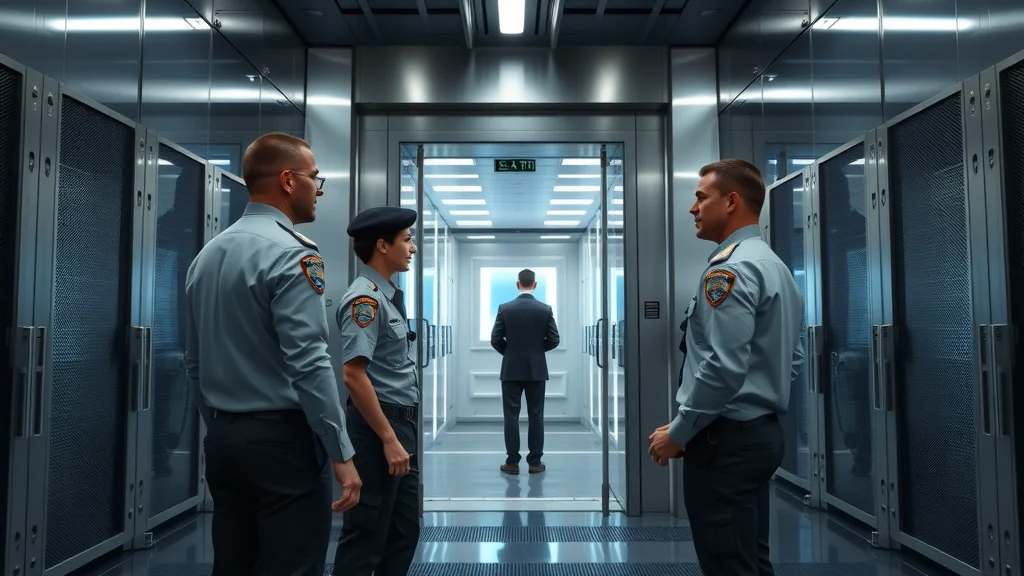
Entrance to AI data center with biometric scanning and security guards, representing physical and cyber security measures for AI data center infrastructure.

How Many AI Data Centers Are There in the USA? (People Also Ask)

A comprehensive look at the current landscape of US AI data centers

  • The US hosts over 2,700 large data centers, with an ever-increasing proportion dedicated to AI workloads.

  • Industry projections anticipate growth of 12–18% per year for AI-specialized centers through 2028.

Answer:

“As of 2024, the USA is home to over 2,700 data centers, with a rapidly growing subset dedicated to AI workloads.”

Who Will Power AI Data Centers? (People Also Ask)

The evolving ecosystem of power providers for AI infrastructure

  • Electric utilities forge direct partnerships with AI giants for dedicated power deals.

  • Renewable energy providers are increasingly at the forefront, offering long-term, clean energy solutions.

  • Hybrid models combining grid, renewables, and backup generation are the new normal.

Answer:

“Increasingly, AI data centers are forming direct partnerships with solar, wind, and hydro providers to guarantee reliable, clean power.”

What is a Mega Data Center? (People Also Ask)

Critical features and scale of mega data centers

  • Massive square footage (100,000+ sqft)

  • Tier IV reliability for ultimate uptime

  • Multi-gigawatt power draw, meeting broad AI demands

Answer:

“A mega data center is typically defined as a facility exceeding 100,000 square feet and demanding 100MW+ power, engineered to handle AI at scale.”

Where Do AI Data Centers Get Their Power From? (People Also Ask)

Sources powering the AI data center boom

  1. Utility grids (mix of fossil fuel and renewables)

  2. On-site renewables (solar fields, wind farms)

  3. Off-site power purchase agreements (dedicated clean energy contracts)

  4. Back-up generators (usually diesel or gas, for emergencies)

Answer:

“Most AI data centers rely on a mix of grid power—predominantly natural gas and renewables—augmented by dedicated solar, wind, and backup diesel.”

How AI Data Centers Are Changing the Future of Technology and Society

AI data centers fueling the next era of machine learning and smart infrastructure

  • Autonomous vehicles: Real-time data processing for self-driving cars and fleets

  • Real-time analytics: Supercharged business intelligence and scientific research

  • National security: Enabling next-level threat assessment, logistics, and intelligence

“The AI data center boom is as transformative as the Interstate Highway System—and just as disruptive.”
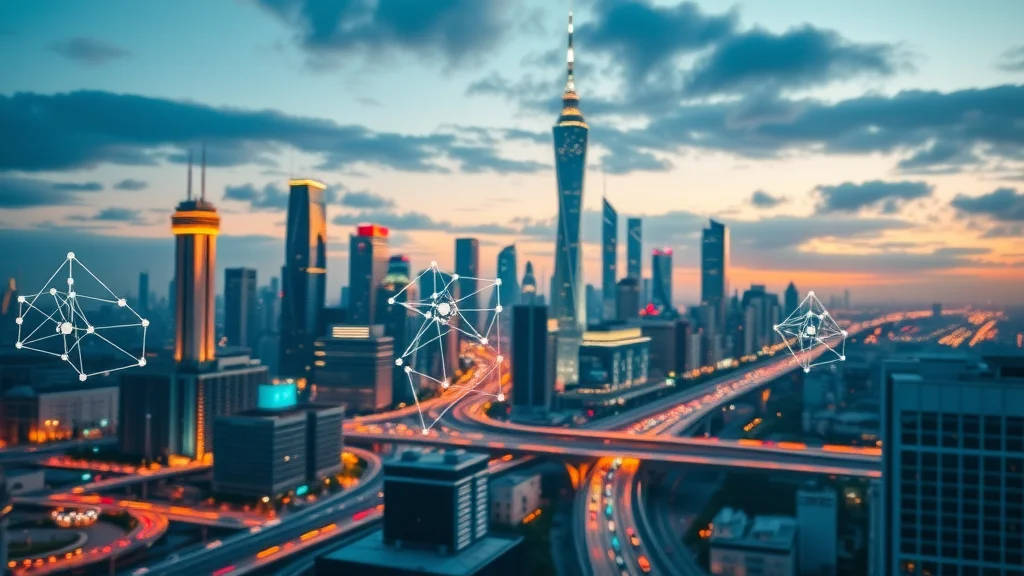
Futuristic cityscape illuminated with network connections representing AI applications powered by data centers in urban environments.

From powering ultra-fast text to speech services to enabling breakthroughs in healthcare, AI data centers are the “brains” behind tomorrow’s smart world. Their influence is already visible in logistics, education, emergency response, and national defense, with impacts rolling out faster than most realize. Like the interstate highway system before it, this infrastructure will decide how and where the benefits—and the burdens—of the AI revolution are felt nationwide.

Lists: 8 Surprising Facts About AI Data Centers Across America

  1. AI data centers are the largest power users in some states, outpacing factories and hospitals.

  2. Some state-of-the-art centers are hidden in old shopping malls.

  3. Data centers can bring both impressive tax breaks and sudden spikes in local power costs.

  4. Not all states win—some struggle with investment shortfalls and environmental challenges.

  5. Solar and wind are quickly becoming standard for new data center construction.

  6. Water use for cooling is a looming concern, especially in drought-prone regions.

  7. Local governments are carving out “data center zones” to attract AI investment.

  8. “Shadow” data centers are being built exclusively for military and intelligence AI purposes.

Video: Inside an AI Data Center – A 2024 Tour

Virtual walk-through of a modern AI data center showing server racks, cooling infrastructure, and control rooms, transitioning from exterior to interior in seamless cuts, highlighting key innovations in real-time.

Video: How Renewable Energy Is Fueling the AI Data Center Revolution

Explore cutting-edge projects where solar, wind, and hydro solutions are powering the next generation of AI infrastructure.

Frequently Asked Questions About the AI Data Center Boom

  • What will happen if power can’t keep up with AI data center demand?
    If the power supply lags behind the growing needs of AI data centers, outages, brownouts, and restrictions on data center operations could occur. To avoid this, many regions are accelerating grid upgrades and renewable investments.

  • Which companies are leading the AI data center race?
    Tech giants like Google, Microsoft, Amazon Web Services, and Meta are at the forefront, but smaller players and state-backed initiatives are quickly catching up.

  • How do local communities negotiate with tech companies?
    Through tax incentives, zoning changes, and public forums, with increasing scrutiny on benefits versus hidden costs like increased infrastructure strain and electricity usage.

  • Are AI data centers really secure?
    Yes, state-of-the-art physical and cyber protections are standard, but as threats evolve, so must defense protocols.

  • Is there an end in sight for data center expansion?
    With AI and digital services still rapidly growing, the boom is expected to continue for years, though new policies and sustainability mandates may change the pace and nature of development.

Key Takeaways: Why the AI Data Center Race Across 50 States Truly Matters

  • AI data center growth is reshaping American infrastructure

  • Power supply and sustainability are key hurdles

  • The economic windfall isn’t balanced—winners and losers emerge

  • Technology, security, and innovation will define future policy

Our Final Perspective: Navigating the AI Data Center Landscape

“Navigating this data center boom requires balancing economic opportunity with energy innovation and environmental responsibility.”

As the AI data center race accelerates, the intersection of technology, policy, and clean energy will only become more critical for communities and industries nationwide. If you’re interested in how political decisions can shape the future of sustainable jobs and energy infrastructure, don’t miss the in-depth analysis on why political actions threaten offshore wind jobs in America. Understanding these broader dynamics can help you anticipate the next wave of innovation—and the challenges that come with it—whether you’re a policymaker, business leader, or simply invested in the future of American energy and technology.

Take the Next Step: Buy Your New Home With Zero Down Reach Solar Solution

Ready to Make a Change? Check Out the Reach Solar Review: https://reachsolar.com/seamandan/#about

SeamanDan Certified Reach Solar Referral Partner

Buy Your New Home With Zero Down Reach Solar Solution: https://reachsolar. com/seamandan/zero-down-homes

Want to future-proof your home and savings in the age of the AI data center boom? Check Out the Reach Solar Review and discover how zero down solar solutions can help you stay ahead.

Sources

  • AI: Mapping the Power-Hungry AI Data Center Race Across 50 States – https://medium.com/@mparekh/ai-mapping-the-power-hungry-ai-data-center-race-across-50-states-rtz-940-50161af79300

  • Datacenter Frontier – https://datacenterfrontier.com/ai-data-centers/

  • Brookings – https://www.brookings.edu/articles/the-rise-of-super-sized-ai-data-centers/

  • Utility Dive – https://www.utilitydive.com/news/data-centers-utility-grid-energy/709307/

  • New York Times – https://www.nytimes.com/2023/12/27/technology/data-centers-power-demand.html

The rapid expansion of AI data centers across the United States is reshaping the nation’s technological and economic landscape. For a comprehensive analysis of this phenomenon, consider reading “AI: Mapping the Power Hungry AI Data Center Race across 50 States”. This article delves into the surge of AI data centers, highlighting the leading states in this expansion and the significant investments driving this growth. Additionally, “America’s data center growth hot spots, mapped” provides a detailed overview of the current and planned data center projects across the U. S. , emphasizing the economic and political implications of this rapid development. These resources offer valuable insights into the factors fueling the AI data center boom and its broader impact on society.

Tech Trends

0 Views

0 Comments

Write A Comment

*
*
Related Posts All Posts
02.14.2026

Why Major AI Data Center Projects Are Booming in South Dakota

Did you know South Dakota has seen a tenfold increase in large-scale AI data center projects in just two years—vastly outpacing many tech-driven states? This unexpected transformation is reshaping the region, positioning it as America’s next digital powerhouse. From sprawling facilities along prairie edges to eco-friendly infrastructure projects, the landscape of South Dakota is no longer defined simply by agriculture or open skies, but by the hum of AI servers and a tech-driven workforce. A Surprising Surge: Major AI Data Center Projects Are Rapidly Developing in South Dakota The phrase major AI data center projects are rapidly developing in South Dakota is no exaggeration. Over the last few years, the state has witnessed a remarkable influx of data centers—each striving to meet the growing demands of artificial intelligence (AI) work, cloud computing, and digital infrastructure. According to the South Dakota Economic Development Council, these projects attract billions in real estate investment, fuel local economic development, and provide a foundation for future technology expansion. Unlike tech hubs on the coasts, South Dakota’s data center growth is not just about scale—it's about speed, sustainability, and strategic positioning. Many center developers cite the region’s low operating costs, abundant energy supply, and robust tax incentives tailored for megawatt data centers as primary draws. Local governments, like the city council in Sioux Falls, have leaned into the trend, streamlining permits and rolling out new incentives. As a result, entrepreneurs, tech firms, and global giants alike have staked their claim, shifting the regional balance of power in the race for AI data dominance. Staggering Growth: The Latest Numbers on AI Data Center Expansion The statistics tell a compelling story. In 2021, South Dakota was home to just a handful of data centers—by 2024, over a dozen major projects have been announced or are under construction. Locations like Sioux Falls and its surrounds are now magnets for AI data center developers, with some facilities exceeding 100-megawatt capacity—comparable to developments in Texas and Virginia. The rapid expansion of AI data centers is projected to add more than 5,000 direct and indirect jobs by 2026, and drive hundreds of millions in wage growth. This surge doesn’t just reflect raw numbers: it’s a testament to how South Dakota is leveraging its geographic and policy advantages to charm capital from the likes of Applied Digital and other industry leaders. With each new center, the state cements its role in supporting not only AI data but also the broader digital economy, from streaming to biotech and beyond. As South Dakota’s data center sector accelerates, it’s worth noting that the interplay between policy decisions and technology investment can have far-reaching effects on local economies and job markets. For a closer look at how political actions can shape the future of energy and tech employment, explore the impacts of government policy on offshore wind jobs in America and consider the parallels in how regions adapt to new industry opportunities. Why South Dakota? Unpacking the Startling Factors Behind the Data Center Boom Why have the Dakota plains, once more famous for bison than bits and bytes, suddenly become a hotspot for digital infrastructure? The answer lies at the intersection of policy, geography, and technology. South Dakota’s unique blend of affordable land, low property tax, and vast renewable energy resources attracted the earliest movers. But the region also offers critical redundancy from natural disasters, blizzards aside, and relative freedom from the grid congestion experienced in other fast-growing states. Local and state authorities have doubled down, creating responsive economic development packages, tax breaks for large data center projects, and a web of incentives for AI work requiring large-scale server deployments. The synergy of these factors set the stage for “the great Dakota data rush,” as coined by one industry executive. What You'll Learn From This Editorial on Major AI Data Center Projects in South Dakota The reasons behind the influx of major AI data center projects in South Dakota How economic development in South Dakota intersects with technological growth Insights from industry leaders and data center developers Potential long-term impacts on local communities and the state economy South Dakota: The New Frontier for Data Center Growth Data Center Development Trends in South Dakota The evolution of the data center in South Dakota is a study in acceleration. In just five years, the transition has moved from modest, regional centers supporting small-scale business data to massive, AI-driven compute hubs. The state’s reputation as a reliable host for data centers is partly due to its cool climate—which reduces cooling costs and energy demand—as well as its aggressive pursuit of digital economic development. While neighboring states like North Dakota have made similar forays, South Dakota's regulatory agility and infrastructure investments have propelled it far ahead. Moreover, local communities have adapted quickly, supporting education in STEM fields and offering workforce training to meet the requirements for facility operations, cybersecurity, and AI data management. These actions create a robust foundation, attracting even more industry leaders to invest in the region. Sioux Falls: At the Heart of South Dakota’s AI Data Center Boom With its rapid population growth and business-friendly climate, Sioux Falls has become ground zero for major AI data center projects rapidly developing in South Dakota. Real estate trends show a burst in industrial and commercial land transactions, led by tech companies and AI center developers who see the city as both scalable and resource-rich. The city council’s proactive approach—offering tax refunds, streamlined approvals, and robust public-private partnerships—further cements its role at the heart of this digital transformation. Sioux Falls' infrastructure is well-suited to support large amounts of energy and bandwidth required by AI data centers, thanks to upgrades in grid reliability and the concerted effort to diversify power sources. As more megawatt data centers come online, the domino effect is palpable—utility providers, construction firms, and local colleges all benefit, and the city’s status as the Midwest’s new data hub continues to rise. Watch: Drone Footage—A sweeping look at South Dakota's AI data centers and bustling construction sites. Why Major AI Data Center Projects Are Rapidly Developing in South Dakota Strategic Location: Geographic Advantages for AI Data Center Developers South Dakota’s geography plays a crucial role in attracting major AI data center projects. Its central location provides low-latency connectivity between both coasts, a significant advantage for companies serving national or global users. The region suffers fewer natural disasters than states like Texas and Florida, offering greater operational reliability. Additionally, the availability of large tracts of affordable real estate makes it feasible for data center developers to build sprawling, high-capacity facilities that would be prohibitively expensive elsewhere. Accessibility to major fiber optic routes further enhances the state’s draw, as do the robust partnerships with utilities that can guarantee high uptime and redundancy. This geographical alignment with technology needs underpins the state’s competitiveness in the AI data center race. Energy & Resources: Powering AI Data Center Projects Sustainably AI data centers require large amounts of power—often rivaling small cities. South Dakota’s abundant renewable energy, particularly wind and hydroelectric, enables developers to operate sustainably, meeting both regulatory requirements and corporate ESG goals. Many facilities integrate on-site solar and geothermal infrastructure, leveraging the state’s resources and reducing long-term costs. These sustainability initiatives aren't just window dressing: local authorities and private firms collaborate to minimize carbon footprints and maximize energy efficiency, positioning South Dakota as a leader in green tech infrastructure for both AI and broader data center needs. Business Incentives and Economic Development Policies South Dakota stands out for its generous business environment. The state has no corporate income tax, no personal income tax, and ultra-low property tax rates. Add to this a suite of targeted tax incentives—including tax breaks for data center equipment, tax refunds for large center projects, and sales tax holidays for green investments—and you get a potent recipe for rapid development. Policy makers have worked rapidly to reduce red tape, creating fast-track zoning for major data center projects and forming specialized advisory boards to support high-impact investments. These incentives, designed with input from both industry leaders and local communities, make South Dakota’s economic development strategy among the most effective in the nation for tech infrastructure. Economic Development: How AI Data Centers are Reshaping South Dakota Job Creation and Workforce Transformation The arrival of major AI data center projects has transformed South Dakota’s economy in tangible ways. Thousands of direct jobs in facility management, IT support, and server maintenance have been created. But the ripple effects spread further—supporting sectors such as construction, security, logistics, and local retail see substantial benefits. Meanwhile, regional colleges are rapidly expanding training programs in AI work, cybersecurity, and advanced data management, reshaping the local workforce. High school students now find real-world internship opportunities in data centers that only recently would have seemed out of reach. This transition supports both talent retention and statewide income growth, further justifying South Dakota’s strategic focus on tech-based economic development. Boost to Local Businesses and Infrastructure The data center boom brings a surge in demand for local services—digital infrastructure, construction, hospitality, and even real estate experience increased business. Large data center projects pump funds into local economies, offering contracts to suppliers and fueling innovations in everything from energy-efficient HVAC to security systems. Infrastructure upgrades—be it roads, fiber optic cabling, or power substations—are often funded, in part, by these digital giants, providing long-term benefits that extend beyond the data center community. This symbiotic relationship generates economic stability and creates an upward spiral of growth for the entire region. Economic Projections: South Dakota’s Future in AI Data Analysis by economic development experts predicts double-digit annual growth in South Dakota’s tech sector through the decade. The sustained momentum of AI data center projects is expected to reshape the region’s economic landscape, propelling gross state product higher and shifting the state into a leadership position in the Midwest for high-tech jobs. Some projections estimate that the investments already committed by AI data center developers will generate upwards of $2 billion in new revenue streams, helping to finance schools, highways, and other vital state functions for years to come. Table: Economic Impact Metrics of AI Data Center Projects in South Dakota Metric 2019 2022 2025 (Projected) Data Center Projects 3 9 18+ Direct Job Creation 100 1,800 4,500+ Total Investment ($ Millions) $150 $900 $1,700+ Local Tax Revenue ($ Millions) $6 $38 $80+ Key Players: Data Center Developers Leading the Charge Profiles of Major Data Center Developers in South Dakota The major AI data center boom wouldn’t be possible without visionary developers. Companies like Applied Digital, regional tech incubators, and a crop of local startups are staking their claim across South Dakota. These organizations are known for pioneering energy-efficient cooling systems, leveraging modular construction, and building relationships with both local officials and the wider community. Developers have also been instrumental in advocating for public infrastructure funding and shaping workforce development programs, ensuring that South Dakota’s AI data center ecosystem is both sustainable and scalable for future growth. Quotes from Industry Leaders on the AI Data Center Surge “South Dakota’s unique blend of resources and policy support makes it a natural hub for AI data.” — Industry Executive Another developer noted, “With low energy costs, unparalleled room for expansion, and supportive local governments, South Dakota is where the next wave of AI-driven innovation will be born. ” Comparing South Dakota to Other States: The Context of the AI Data Center Race Which State Has the Most AI Data Centers? Traditionally, states like Virginia and Texas have dominated in data center capacity, particularly in the AI sector. Virginia’s “data center alley” and Texas’s vast renewable energy reserves built their reputations over the last decade. However, recent rapid growth means major AI data center projects are rapidly developing in South Dakota at a rate that could soon close this gap. With continued support from local government, South Dakota is well-positioned to challenge larger states in both the number and quality of AI data center projects by the end of the decade. How Does South Dakota Stand Out in Data Center Development? South Dakota’s competitive edge comes down to a perfect storm: a low-tax environment, proactive regulatory support, and robust natural resources. Unlike in established markets where grid congestion or real estate cost drives up investment risk, the state offers a clean slate for innovation. New technological and environmental standards are embedded from the ground up, delivering facilities built for both current AI needs and future scalability. The result is a vibrant environment where data center developers can focus on innovation and efficiency, rather than bureaucratic hurdles. Public and private sectors have joined forces, creating a self-sustaining “flywheel effect” that continues to attract new projects, jobs, and growth to the region. Driving Forces: Technology, Policy, and People Artificial Intelligence Needs: How AI Data Shapes Infrastructure The exponential growth of artificial intelligence demands vast networks of specialized data centers. AI work requires not only massive compute capacity, but also high-speed data transfer and enormous amounts of energy. South Dakota’s emerging role as a central AI infrastructure hub lets global firms respond nimbly to AI-driven industrial-scale needs while also investing in sustainable resource use. These megawatt data centers often require large amounts of land, power, and water—resources that are readily available and affordable in the state. Moreover, the evolving capabilities of AI, from neural network modeling to real-time analytics, only add to the region’s attractiveness for developers aiming to build for the next decade of digital demand. The Role of Local and State Government in Attracting AI Data Centers Local and state governments play a decisive role in South Dakota’s success. Eager to diversify beyond agriculture, officials have pursued pragmatic policies: streamlined permitting for center projects, extended property tax relief, and partnerships with universities for workforce training. County commissions, city councils, and legislative task forces have not only welcomed investment but have actively collaborated with developers, ensuring projects are completed swiftly and with minimal friction. By championing a digital-first economy, state leaders catalyze innovation while providing clear, consistent rules for all stakeholders. Community Impacts and Public Opinion Public reception to the AI data center boom is generally favorable. Residents appreciate the influx of well-paying tech jobs, and local communities benefit from upgraded public infrastructure, improved broadband access, and enhanced local spending. Nonetheless, as with any rapid development, concerns linger regarding environmental impact, water use, and potential changes in land values. Top Advantages South Dakota Offers Data Center Projects: low operating costs, ample renewable energy, minimal regulatory delay, abundant land, and robust workforce training programs. Challenges Facing Rapid Data Center Development: balancing environmental stewardship, addressing local infrastructure strains, and managing shifting property tax bases. Environmental Considerations for Major AI Data Center Projects in South Dakota Sustainability Initiatives by AI Data Center Developers With worldwide scrutiny on tech’s carbon footprint, leading AI data center developers in South Dakota are investing heavily in sustainable practices. These include integrating renewable energy sources, constructing energy-efficient server rooms, and using cutting-edge cooling systems that minimize water and electricity consumption. Leading projects track their emissions closely, often exceeding national standards for energy use and conservation. Developers have also partnered with local conservation groups to ensure site selection and construction minimize impact on native prairies, wildlife, and water tables—efforts that help balance growth with long-term environmental health. Debate: Balancing Growth With Environmental Stewardship The rapid expansion of data centers has sparked debate about sustainability. Proponents highlight that South Dakota’s commitment to green energy sets it apart from less eco-conscious competitors—using wind turbines and solar installations to power every new megawatt data center. Critics, however, caution about the cumulative effect on water resources and land use, emphasizing the need for ongoing dialogue among developers, residents, and policymakers. Most agree, though, that thoughtful development and stringent safeguards can make South Dakota a model for responsible AI infrastructure growth—one where environmental stewardship goes hand in hand with economic ambition. Watch: Interview with environmental leaders on balancing AI data center growth with sustainability in South Dakota. People Also Ask About Major AI Data Center Projects in South Dakota Which state has the most AI data centers? Answer: States like Virginia and Texas currently lead in AI data center numbers, but South Dakota is closing the gap with rapid recent development. What's the fastest growing city in South Dakota? Answer: Sioux Falls is the fastest growing city, serving as a regional hub for AI data center projects and overall economic growth. Where are new AI data centers being built? Answer: New AI data centers are being built around Sioux Falls and other strategically positioned locations throughout South Dakota. What is the No. 1 industry in South Dakota? Answer: Historically, agriculture has been the leading industry, but technology and AI data center projects are rapidly increasing their economic share. FAQs: Your Questions Answered About Major AI Data Center Projects in South Dakota How do AI data center projects affect local communities? AI data center projects drive job creation and stimulate local economies through increased commerce and new services. They also upgrade public infrastructure but may bring challenges regarding rapid population growth and environmental footprints. What makes South Dakota attractive compared to other regions for data center investments? Competitive real estate costs, renewable energy access, favorable tax incentives, and a supportive state government policy make South Dakota uniquely attractive for major data center investments. What are the biggest challenges facing data center developers in South Dakota? Key obstacles include securing sufficient energy and water for operations, navigating environmental regulations, and ensuring enough trained workers are available for high-skill data center roles. Are there any risks to rapid data center expansion? Risks involve potential strain on natural resources, regional infrastructure, and the need to balance fast economic growth with sustainable, community-focused development. Key Takeaways on Major AI Data Center Projects Rapidly Developing in South Dakota South Dakota is emerging as a national hotspot for major AI data center development. Strong policy, infrastructure, and location advantages underpin this rapid growth. Ongoing projects signal long-term economic and technological benefits, but challenges remain. Final Thoughts: The Future of Major AI Data Center Projects in South Dakota Opportunities and Cautions for Policy Makers and Investors The digital surge in South Dakota offers opportunity for both state policymakers and investors. Continued success will demand agile governance, forward-thinking environmental stewardship, and ongoing investment in education and local infrastructure. Those who strategize thoughtfully will shape the region’s destiny for decades to come. South Dakota’s Place in the National Tech Landscape Once an unlikely contender, South Dakota now stands at the forefront of America’s AI data revolution. Its adaptability, forward-leaning policies, and deep investment in infrastructure make it a model for how heartland states can seize the next era of digital opportunity. While the road ahead will require careful balance, the momentum is undeniable—South Dakota is not just catching up, it’s leading the way. As you reflect on South Dakota’s remarkable ascent in the AI data center landscape, it’s clear that the intersection of policy, innovation, and local adaptation is shaping the future of American industry. If you’re interested in how similar forces are influencing other sectors—especially where technology, jobs, and government action converge—take a deeper dive into the evolving story of offshore wind job growth and the impact of political decisions. Exploring these broader trends can offer valuable perspective on how regions can harness change, navigate challenges, and build resilient economies in the face of rapid technological advancement. Ready to Stay Informed? Subscribe for In-Depth Reports on Major AI Data Center Projects in South Dakota Stay ahead of South Dakota’s digital transformation. Subscribe to our newsletter for the latest news, analysis, and exclusive interviews on AI data center trends across the region.

02.14.2026

High-Performance Computing Energy: Cutting Costs Now

Did you know that data centers are projected to consume almost 8% of global electricity by 2030? High-performance computing energy demands are forcing an urgent re-evaluation of current practices. This unprecedented surge in energy consumption is not just a technical issue—it’s an economic and environmental turning point. As organizations and individuals depend ever more on data centers and computing centers for everything from financial analysis to artificial intelligence, the pressure to optimize high-performance computing energy and costs has never been greater. In this opinion-based guide, you’ll discover how energy efficiency and energy innovation within HPC (high-performance computing) can drive immediate and lasting cost savings.A Surprising Look at High-Performance Computing Energy and Cost EfficiencyAs technology rapidly evolves, high-performance computing energy usage is skyrocketing. Data centers have become essential infrastructure worldwide, supporting everything from weather prediction and advanced research to financial analytics and streaming entertainment. Yet, behind all of these conveniences is a silent but significant issue: the vast amount of energy consumed by these massive computing centers. In the quest for computational power, organizations often overlook the mounting energy bills and environmental toll. This is where the real opportunity lies—cutting edge energy efficiency measures and new energy innovations can yield substantial energy and cost savings while keeping essential services running reliably."Did you know that data centers are projected to consume almost 8% of global electricity by 2030? High-performance computing energy demands are forcing an urgent re-evaluation of current practices."New research and industry reports show an urgent need to rethink current high performance computing practices. Energy innovation is rapidly becoming the differentiator that determines whether data centers, research communities, and HPC application providers can thrive, both financially and ethically, in the coming years. By fully understanding and leveraging the relationship between power consumption, parallel computing strategies, and renewable energy implementation, organizations can transform today’s risks into tomorrow’s competitive advantages.For organizations seeking to further optimize their energy strategies, it's important to recognize how external factors—such as policy changes and political actions—can impact the broader energy landscape. For example, shifts in government priorities have had significant effects on renewable energy sectors, as seen in the impacts of political decisions on offshore wind jobs and the future of sustainable infrastructure.What You'll Learn About High-Performance Computing EnergyThe financial and environmental impact of high-performance computing energyLatest trends in energy efficiency for performance computingBreakthroughs in energy innovation for HPC applicationsOpinion-based perspectives on driving down energy costs in computing centersDefining High-Performance Computing Energy in Modern Data CentersWhat is HPC in energy?High-performance computing (HPC) in energy refers to the massive compute resources required to power complex, intensive computational workloads. These workloads include climate simulation, seismic imaging for oil and gas, energy market analysis, and development of advanced materials. In essence, an HPC infrastructure is a network of powerful servers—often housed in data centers—that can process trillions of calculations per second. All this raw power comes with significant energy consumption: the amount of energy required to run, cool, and maintain these computational giants is substantial, sometimes representing a significant chunk of an organization’s operational costs.This means that the energy consumed by HPC systems is not just about compute performance—it’s closely tied to data center design, hardware choices, and the efficiency of cooling systems. The department of energy and national laboratories in the United States, as well as many global gov websites, frequently stress the need for upgrading existing computational resource infrastructure. By deploying innovative technologies, data centers can minimize the power consumption required for high performance tasks while maximizing both energy and cost savings and performance reliability—crucial as energy prices fluctuate and climate concerns intensify.How High-Performance Computing Energy Drives Performance ComputingThe success of performance computing relies on delivering computational resources fast and at scale, which inherently impacts the amount of energy used. For every advancement in compute speed—whether for scientific research or financial modeling—energy consumption rises accordingly. However, energy efficiency breakthroughs are enabling these systems to consume more power for essential operations without a corresponding spike in total energy use. Advances such as liquid cooling systems, AI-driven workload management, and custom hardware for HPC applications are all shifting the balance toward greener, more responsible computing.Data centers leading the charge have begun harnessing renewable energy sources, intelligent cooling solutions, and parallel computing techniques to ensure superior performance without unsustainable energy bills. Thus, as high-performance computing becomes more central to every technology-driven field, its energy footprint can be intelligently managed—turning previously wasteful practices into a wellspring of energy and cost savings for businesses and society alike.High-Performance Computing Energy: Real-World Examples and Key ApplicationsWhat are some examples of HPC?Real-world hpc applications span every major industry. In the energy sector, high-performance computing energy is essential for modeling oil and gas reservoirs, optimizing wind and solar deployments, and running simulations for energy grid reliability. The research community leverages HPC for breakthroughs in medical imaging, genomics, and drug discovery. National laboratories, such as those managed by the department of energy, use HPC to predict climate changes, simulate nuclear interactions, and test new materials without expensive prototypes. The data center landscape powering cloud computing and large-scale AI is itself heavily reliant on robust, energy-efficient infrastructures. All these use cases underscore why minimizing energy consumption in HPC systems is critical for cost savings, sustainability, and operational excellence.HPC Applications: Powerhouses of Data CentersInside today’s top-tier computing centers, high performance computing environments are the heart of progress. Whether running multi-petabyte data analytics platforms, providing real-time financial data feeds, or modeling energy-efficient engines for the automotive industry, energy consumption and management remain top priorities for IT teams. Data centers supporting these environments are constantly evolving: enhancing energy innovation through advanced cooling, parallel computing frameworks to optimize workloads, and shifting toward renewable energy sources to relieve grid pressure.Watch: A dynamic walkthrough of a high-performance computing center as technicians monitor sophisticated servers and visual overlays highlight real-time power consumption, revealing the intersection of technology, energy, and innovation within the latest computing centers.Is HPC the Same as Quantum Computing? Key Differences in Energy UseIs HPC the same as quantum computing?While both high-performance computing and quantum computing are at the frontier of computational science, the two are fundamentally different in how they operate and consume energy. HPC relies on traditional silicon-based architectures using CPUs and GPUs in tightly interconnected networks—think campus-sized data centers or university supercomputers. Quantum computing, on the other hand, harnesses the unique properties of quantum bits (qubits), potentially promising greater efficiency for certain complex problems but currently restricted by scalability and stability hurdles.Despite the hype, quantum computing is still in its infancy, especially regarding reliability and scalability. HPC systems, meanwhile, are the established workhorses driving most enterprise, research, and government-level performance computing for energy initiatives. Thus, energy efficiency in the quantum era will depend on combining the best of both worlds: using HPC for traditional high-throughput workloads while developing quantum systems for new frontiers in cryptography, modeling, and AI.Comparing Energy Efficiency in Performance Computing and Quantum ComputingWhen it comes to energy consumption, traditional HPC systems generally use significant power—requiring sophisticated cooling, constant power draws, and redundancy for fault tolerance. Quantum computing, by contrast, uses much less energy per operation (per qubit) but relies on highly specialized environments, often requiring extreme cooling and strict isolation. While the energy requirements of scalable quantum hardware are yet to be fully realized, today’s data center operators must focus now on energy efficiency in classical HPC systems, as those account for nearly all computational resource demands today.AspectHPCQuantum ComputingEnergy UseVery HighLow (per qubit, but still early)ScalabilityExcellentEmergingHigh-Performance Computing Energy in the Stock Market: A Game-ChangerWhat is HPC in the stock market?The world’s leading financial markets run on data, and high-performance computing energy is the force behind lightning-fast trades, real-time risk analysis, and sophisticated fraud detection. Modern trading floors and hedge funds operate sprawling computing centers to process millions of transactions each second. This immense computational demand translates into substantial energy consumption, making energy efficiency both a competitive advantage and a financial imperative. The energy and cost savings achieved through optimized hpc applications enable firms to invest more in innovation, analytics, and customer value rather than ballooning utility bills.Performance computing for energy in the finance sector is also helping revolutionize portfolio management, forecasting global economic trends, and simulating market volatility. By embracing smarter data center operations—from efficient cooling to renewable energy integration—financial institutions can meet regulatory standards, reduce their environmental footprint, and protect profit margins in a fast-changing digital landscape.Opinion: Why Energy Efficiency Must Drive Performance Computing"Adopting energy efficiency within performance computing isn’t just smart business—it's a social and ecological imperative."The Environmental Cost of Inefficient Computing CentersInefficient computing centers are now one of the world’s fastest-growing contributors to global energy demand. The tremendous power consumption seen in older data center designs not only weighs down IT budgets but also accelerates environmental risks. In my opinion, continued reliance on outdated high performance computing energy architectures is unsustainable—both economically and ecologically. Modern performance computing for energy must be reimagined with climate and society in mind, not just computational throughput.Official websites for leading department of energy programs, along with insights from the United States Environmental Protection Agency, increasingly emphasize the urgency of deploying energy innovation at scale. Energy efficiency is now the difference between progress and preventable harm, between accelerating economic performance and risking avoidable resource waste.Energy Innovation: Leading the Charge for Smarter Data CentersLeaders in the energy sector and computational science are pioneering smarter, cleaner computing center solutions. By investing in hpc infrastructure upgrades, artificial intelligence-driven resource allocation, and hybrid energy sourcing, organizations can cut waste and assure uninterrupted growth. My stance is clear: energy innovation—fueled by rapid research, government incentives, and consumer demand—must become the central axis of any modern HPC strategy, ensuring every petaflop of compute delivers maximum business and societal value for minimum environmental cost.Watch: Explore how data centers are integrating solar, wind, and intelligent energy management to become eco-friendly—reducing their carbon footprint while sustaining world-class performance.Top Strategies to Cut High-Performance Computing Energy CostsUtilizing renewable energy (solar, wind) in computing centersAdopting advanced cooling and airflow managementLeveraging AI-driven resource optimizationTransitioning to energy-efficient hardware for HPC applicationsEmploying parallel computing to reduce redundant power drawsApplying these strategies in tandem can help businesses and research institutions realize significant energy and cost savings. For instance, implementing parallel computing frameworks distributes workloads more efficiently, minimizing unnecessary resource use. Renewable energy integration cuts operational costs and aligns with sustainability goals, while new hardware can deliver higher compute density with lower power consumption. This holistic approach is critical to future-proofing data centers in an era of mounting energy and cost pressures.Frequently Asked Questions on High-Performance Computing EnergyWhat is high-performance computing energy?It’s the capacity required to power complex, intensive computational workloads across various industries using advanced data center architectures.How can I improve energy efficiency in my HPC systems?Implement cutting-edge cooling, upgrade hardware, integrate renewables, and invest in smarter scheduling algorithms.What trends are shaping energy innovation in performance computing?AI-driven management, edge computing, and increased renewable energy integration.Key Takeaways: The Future of High-Performance Computing EnergyHigh-performance computing energy is escalating in cost but can be curtailed with innovation.Data centers must prioritize energy efficiency to remain viable—environmentally and financially.Adoption of energy innovation is already reshaping the industry.Final Thoughts on High-Performance Computing EnergyNow is the time to reimagine your computing center: with each efficiency gain, you future-proof operations, minimize waste, and help build a truly sustainable digital world.As you consider the future of high-performance computing energy, it's clear that the path forward is shaped not only by technology but also by the broader forces influencing the energy sector. Political decisions and policy shifts can dramatically alter the landscape for renewable energy and sustainable infrastructure, impacting everything from job creation to the viability of new projects. To gain a deeper understanding of how these external factors play a pivotal role, explore the far-reaching effects of political actions on offshore wind jobs in America. This perspective will help you anticipate challenges and opportunities as you drive innovation and resilience in your own energy and computing strategies.Ready to Take the Next Step?Ready to be part of the solution? Ready to Make a Change? Check Out the Reach Solar Review: https://reachsolar.com/seamandan/#aboutBuy Your New Home With Zero Down Reach Solar Solution: https://reachsolar. com/seamandan/zero-down-homesSourcesData Center Frontier – https://datacenterfrontier.com/energy-datacenter-trendsU.S. Department of Energy – https://www.energy.gov/eere/datacenters/energy-efficient-data-centersU.S. Environmental Protection Agency – https://www.epa.gov/greencomputingHigh-performance computing (HPC) is pivotal in advancing energy research and innovation. The U. S. Department of Energy’s High Performance Computing for Energy Innovation (HPC4EI) program exemplifies this by offering up to $400,000 per industry-led project, along with expertise from national energy laboratories, to enhance manufacturing efficiency and explore new materials for energy applications. (iea. org) Additionally, the National Renewable Energy Laboratory (NREL) has significantly expanded its supercomputing capacity with the Kestrel system, boasting 44 petaflops of computing power. This advancement has propelled over 425 energy research projects in 2024, accelerating progress in areas such as artificial intelligence, materials science, and energy forecasting. (nrel. gov) These initiatives underscore the critical role of HPC in driving energy efficiency and innovation.

02.14.2026

AI Data Center Locations: Why They’re Moving Fast

Did you know: The world’s largest AI data centers now draw more electricity than entire mid-sized cities—driving a race to build new facilities faster than ever before. As artificial intelligence explodes in use, the places these data centers call home are changing fast and in unexpected ways.An Unconventional Surge: AI Data Center Locations Driving a New Infrastructure BoomThe selection of AI data center locations has become one of the most urgent and competitive infrastructure races of the decade. Just a decade ago, data centers were hidden away in generic business parks. Today, thanks to the exponentially growing hunger for AI-powered computing, these sites now shape whole regional economies. The United States, Europe, and rapidly advancing hubs in Asia are witnessing an unprecedented concentration of high-tech investment as companies vie to support the relentless growth of AI data and machine learning workloads.This unconventional surge is driven by factors from technological demand to real estate availability, and even political incentives. The data center market is no longer only about space—it’s about proximity to large power grids, renewable resources, and lightning-fast fiber links. The result? Entire regions are being transformed into energy and innovation hubs. In the process, these new clusters of AI-driven data centers are shaping the physical and economic landscape of our digital future.What You’ll Learn About AI Data Center LocationsHow AI data center locations are chosen and why location mattersMajor trends shaping the data center marketThe role of new technologies in influencing AI data center growthProfiles of emerging hotspots for data centers in the United States and abroadFuture outlook for AI data center locations and potential opportunitiesUnderstanding the Basics: What Are AI Data Centers and Why Location MattersAI data centers are specialized facilities designed to power, process, and store the vast quantities of data that artificial intelligence models require. Unlike traditional data centers, which may handle a mix of cloud, storage, and connectivity workloads, AI data centers harness accelerators like GPUs and custom computer chips to meet the intense computing demands of modern AI algorithms.The location of these centers is crucial. They must be close to powerful energy sources, offer low-latency network connections, and provide a secure, climate-controlled environment for sensitive equipment. Site selection requires careful consideration of local power grids, natural resources, and even tax breaks or regulatory factors, all of which can impact operational efficiency and cost. In the competitive data center industry, location isn’t just about geography—it’s about gaining a strategic edge in speed, sustainability, and scale.“Just as the railroad defined the 19th century, AI data center locations will define the digital landscape of the 21st.” – Tech Industry AnalystKey Drivers Behind AI Data Center Locations Moving FastExponential growth in AI workloadsIncreasing energy requirements and sustainability challengesShifting global supply chainsEmergence of new data center market dynamicsAI workloads have grown at a breakneck pace—driven by advancements in artificial intelligence, the proliferation of smart devices, and enterprises’ need for real-time analytics. This surging demand puts pressure on the physical infrastructure supporting AI, spurring the rapid selection and development of new ai data center locations. Operators are forced to find locations that offer access to massive power grids, renewable energy integration, and incentives like tax breaks—all while keeping operations near users for faster data processing.Other influential factors include stability of the energy supply (especially in regions facing power shortages), proximity to major network nodes, and even the resilience of the location to risks like natural disasters. In addition, global supply chains for critical data center equipment such as computer chips, cooling systems, and backup generators are impacting where—and how quickly—new AI data centers can be built. The combined effect is a transformation in how industry leaders approach site selection, blending advanced technology with old-fashioned logistics and risk management.Political and regulatory actions can also play a pivotal role in shaping the future of large-scale infrastructure projects, including data centers. For example, shifts in government policy have had significant impacts on other energy-intensive sectors—such as the offshore wind industry—demonstrating how external factors can threaten or accelerate job growth and investment. To see how political decisions have influenced renewable energy jobs, explore the impacts of political actions on offshore wind jobs in America.The AI Data Center Market: Global and Regional TrendsThe data center market is evolving, with regional hubs emerging based on local strengths. In North America, mega-scale campuses in the United States and Canada attract cloud giants and AI startups alike thanks to abundant land, incentives, and robust infrastructure. Across Europe, sustainability goals are driving investment in Nordic countries—tapping renewable energy and cooling advantages. Meanwhile, APAC countries such as Singapore and South Korea attract investment with advanced connectivity and policy support, despite space and power constraints.Globally, these trends mean that traditional data center locations are being joined by a new generation of specialist ai data center hubs. This shift is rebalancing not only the center market but global innovation and investment flows. The complexity of choosing where to build has never been higher, but so are the opportunities for regions that get it right.Top AI Data Center Locations by Investment, Power Capacity, and Cloud Provider Presence (2024)RegionLeading City/HubInvestment ($B)Power Capacity (GW)Major Cloud ProvidersUSANorthern Virginia143.5Amazon, Microsoft, GoogleUSASilicon Valley71.1Meta, Oracle, GoogleEuropeLondon50.9Microsoft, AWS, EquinixAsia-PacificSingapore61.0Alibaba, Google, Digital RealtyCanadaMontreal30.7Amazon, MicrosoftMapping AI Data Center Locations in the United StatesThe United States is undergoing a transformation as new and existing ai data center locations cluster in key regions. Traditionally, facilities centered around major metropolitan areas with access to talent and robust infrastructure. Today, the landscape is shifting rapidly, as operators consider everything from renewable energy potential to seismic risk, water availability, and even proximity to the world’s largest fiber exchanges.Northern Virginia remains the “data capital of the world,” but rapid expansion is now seen in Texas, the Pacific Northwest, and even the Midwest. New infrastructure is being built to keep up with the surge in demand, often in places with unique advantages—whether abundant land, low energy costs, or attractive government incentives. These shifting trends are reshaping where digital traffic flows, creating new tech corridors and economic opportunities across the country.Northern Virginia: The Epicenter of AI Data Centers in the United StatesNo region embodies the explosive growth quite like Northern Virginia. This area now houses the largest concentration of ai data centers in the world, powering everything from streaming services to high-stakes financial trades. Why Northern Virginia? The answer lies in a unique mix: decades-old telecom infrastructure, proximity to federal power grids, strong tax incentives, and a business-friendly environment have made it irresistible to major players like Amazon Web Services, Microsoft, and Google.Local governments have encouraged this boom with aggressive policy support, while vast tracts of real estate allow for sprawling data center campuses that scale up quickly—as seen with the recent 300,000+ square foot expansions in Ashburn. With regional energy companies and the Salt River Project ramping up, Northern Virginia is likely to remain the global center for digital realty for years to come, despite growing concerns about the toll on the power grid and gallons of water needed for cooling.Silicon Valley and Other West Coast Data Center HotspotsThe Silicon Valley region remains at the heart of American tech, and its data center footprint is expanding as AI and edge computing push workloads ever closer to innovation’s front lines. The attraction of Silicon Valley lies in its aggregation of high-skilled talent, proximity to the headquarters of leading AI research companies, and established high-speed network links. However, the surge in demand is pushing up against expensive real estate, energy constraints, and tough sustainability mandates from local governments.It’s not just California: Seattle, Portland, and the Phoenix area have emerged as strong alternatives. These areas offer comparable connectivity, lower costs, and access to renewable energy—a major draw for operators seeking to reduce the carbon footprint of their AI data operations. Meanwhile, organizations like Digital Realty and Equinix have invested heavily in these regions, recognizing how critical West Coast hubs are to the global data center market.Emerging AI Data Center Locations Across North AmericaTexas and renewable energy integration: Texas is quickly climbing the ranks thanks to cheap land, massive renewable energy projects (especially wind and solar), and pro-business tax breaks. Its strong connection to major power grids has attracted several hyperscale data center deployments in recent years.The Midwest: balancing cost and climate: Illinois, Iowa, and Nebraska are gaining popularity due to their affordable land, low cooling costs, and central position on cross-country networks. Climate-controlled environments and access to the nation’s vast natural gas network help reduce risks and energy spending.Canada’s incentive-driven approach: Cities like Montreal leverage abundant hydropower, cold climate, and aggressive government programs—driving rapid growth in ai data center investment focused on sustainability and cost efficiency.These locations highlight how the data center market in North America is evolving to balance innovation with practical considerations: available energy, climate, and local incentives are key determinants that shape the competitive dynamics of the sector.Leading Global AI Data Center Locations and OperatorsGlobally, the largest data center operators—like Digital Realty and Equinix—are driving the shift toward higher-density, more efficient AI data facilities. London, Singapore, Frankfurt, and Stockholm now compete for top billing alongside U. S. hubs, as cloud and AI deployments escalate worldwide. The reach and influence of these mega operators stretch from campus-sized investments in the U. S. to new cloud “availability zones” in fast-growing fintech and IoT markets abroad.Smaller but highly specialized operators are also carving out strongholds, especially in emerging markets. The common thread is their focus on cutting-edge infrastructure, access to immense power grids, and positioning in economically or geopolitically favorable sites. As these global trends accelerate, the list of must-watch ai data center geographies grows longer by the year.Digital Realty, Equinix, and Other Influential Data Center OperatorsDigital Realty and Equinix are the titans of the data center operator world, with presence in major cities like London, Singapore, New York, and San Francisco. Their reach is marked by a blend of cutting-edge facility design, vast campus networks, and a relentless focus on uptime and security—a necessity for today’s AI-driven demands. Their ability to quickly establish new sites in global tech hubs keeps them ahead in the competitive data center market.New challengers like Cologix, Switch, and Iron Mountain are making waves with highly secure, energy-efficient sites and innovative approaches to cooling, security, and renewable integration. The influence of these global center operators in shaping not just where—but how—data is processed worldwide is undeniable.Critical Factors Influencing the Choice of AI Data Center LocationsPower availability and costAccess to renewable resourcesTax incentives and regulatory factorsLatency and network proximityRisk mitigation: disaster resilience and securityWhen deciding on ai data center locations, operators weigh a complex matrix of factors. Reliable and affordable power is paramount—a single data center may require hundreds of megawatts, pushing local power grids to the limit. Access to renewable energy, such as wind, solar, or hydropower, is increasingly non-negotiable due to both regulatory pressure and corporate sustainability goals.Tax incentives, real estate costs, and regulatory support can tip the scales between similar sites. Latency—proximity to major network nodes and population centers—remains critical, especially for real-time AI applications. Risk management also plays a role: operators avoid high-risk areas for earthquakes, flooding, and wildfires while seeking to maintain robust physical and cyber security. Each element shapes the ultimate success and resilience of AI data operations.The Role of Sustainability in Modern AI Data CentersSustainability is now a core consideration in new ai data center locations. With environmental regulations tightening worldwide and public scrutiny intensifying, operators are aggressively pursuing green strategies—integrating solar panels, on-site wind turbines, advanced cooling systems that use less gallons of water, and smart grid technologies that smooth power demand. Partnerships with utilities like the Salt River Project enhance access to clean energy, while the selection of cooler climates and use of recycled materials further minimize impact.Many leading data center companies have publicly committed to achieving net zero emissions over the next decade. These commitments are reshaping the landscape, as site selection moving forward must also consider not just current, but future energy mix and climate resilience.People Also Ask: Where Are They Building Data Centers in the USA?New data centers are being built at a record pace across the United States, with major construction concentrated in Northern Virginia, Texas, Arizona, Ohio, and the Pacific Northwest. These regions offer a blend of affordable power, access to robust power grids, skilled workforce, and strong government support through tax incentives. Large-scale projects are also increasingly seen in secondary markets like North Carolina and Nevada—driven by their proximity to renewable resources and lower risks for natural disasters.As AI applications expand into more industries, expect new ai data center locations to emerge in unexpected places—especially where local governments are aggressively courting high-tech investment with tax incentives and streamlined permitting.People Also Ask: Where Is the World's Largest AI Data Center?Currently, the world’s largest AI-focused data center campus is situated in Hohhot, Inner Mongolia, China. Boasting a staggering 1. 2 million square feet of space and upwards of 3 GW of power, this site is optimized for advanced artificial intelligence workloads, including training some of the largest language models. Massive cooling requirements are partially met by the naturally cool climate, and the data center boasts some of the highest-density GPU clusters on the planet—making it the epicenter for global-scale AI research and supercomputing.People Also Ask: Where Are Microsoft's AI Data Centers Located?Microsoft maintains a globe-spanning network of AI-ready data centers, with major hubs in Northern Virginia, Texas, Iowa, Washington (state), the Netherlands, Ireland, and Singapore. These locations are equipped with cutting-edge ai data center equipment, renewable power integration, and on-site security. Location selection focuses on access to power, network latency, availability of skilled workers, and regional policy incentives, with expansion plans accelerating to meet growing AI demand.People Also Ask: Where Is Elon Musk's AI Data Center?Elon Musk’s high-profile AI ventures maintain key data center infrastructure primarily through collaborations with existing operators, though recent reports suggest a growing presence in Texas. The state’s vast renewable resources and robust power grid are attractive for the sustainability and scale needed for Musk’s next-generation AI and autonomous vehicle projects.Future Outlook: What’s Next for AI Data Center Locations?Predicted top locations for future development: Expect continued growth in Northern Virginia, Texas, and Silicon Valley, but also a surge in Nordic countries, Canada, and Southeast Asia as operators chase new energy sources, favorable regulations, and geographic diversity.Technologies shaping tomorrow’s AI data center: Next-generation cooling, on-site renewables, quantum networking, and robotics will allow data centers to run hotter, denser, and greener—opening up previously unviable locations and reducing overall energy footprint.Risks and opportunities in site selection: Heightened climate, regulatory, and supply chain risks will make resilience, flexibility, and sustainability more crucial than ever in choosing where to build.These forces together point toward a more decentralized, resilient, and environmentally conscious future for ai data center locations.Frequently Asked Questions on AI Data Center LocationsHow do AI data center locations impact computational speed?The physical proximity of AI data centers to users, data sources, and high-capacity networks helps reduce data travel time (latency). Locating centers near major urban hubs or fiber junctions allows AI workloads—especially those powering real-time analytics or autonomous systems—to run faster and more reliably.What role does climate play in the choice of AI data center locations?Climate impacts cooling requirements, which are often the largest operational cost for AI-focused facilities. Cooler climates reduce the need for energy-intensive air conditioning, making northern and high-altitude regions (like Scandinavia or the Pacific Northwest) popular. Some operators also select sites with abundant natural resources (such as access to rivers) to enable water-based cooling systems.Are AI data centers more sustainable than traditional data centers?AI data centers are pushing the envelope on sustainability by integrating renewable energy, advanced water and heat recycling, and efficient hardware. However, their higher computational and power densities mean they can use much more energy overall—making green design choices even more critical.How do governmental policies affect AI data center growth?Governmental policies can accelerate or hinder AI data center growth through tax incentives, renewable energy mandates, and streamlined permitting. Regions with clear, tech-friendly regulations and aggressive support (like tax breaks and grants) see faster investment, while areas with regulatory uncertainty or poor infrastructure may fall behind.Key Takeaways on the Evolution of AI Data Center LocationsAI data center locations are rapidly shifting in response to energy, tech, and regulatory forces.Strategic site selection is increasingly tied to sustainability and connectivity.New geographies and operators are emerging as the next big hubs for AI data centers.Explore the Reach of Solar Solutions for Next-Generation AI Data CentersFor AI operators and enterprises looking to future-proof their infrastructure, solar integration is a game-changer. Blending high-density computing with on-site solar lowers costs, reduces carbon footprint, and boosts resilience—making solar solutions a smart move for tomorrow’s AI data centers. Check Out the Reach Solar Review to see how leading operators are using solar to power the next wave of AI innovation.ConclusionThe next decade of ai data center locations will be defined by innovation, global competition, and a relentless focus on energy and sustainability. Staying ahead means choosing the right site, the right technology—and the right partners.As the landscape for AI data center locations continues to evolve, it’s clear that external influences—especially political and regulatory decisions—can have far-reaching effects on the pace and direction of infrastructure growth. If you’re interested in understanding how these broader forces shape not only data centers but also other critical sectors, consider exploring the wider implications of policy shifts on renewable energy employment. Delving into the threats political actions pose to offshore wind jobs in America offers valuable perspective on the interconnectedness of technology, energy, and the workforce. By broadening your view, you’ll gain deeper insight into the challenges and opportunities that define the future of sustainable innovation.SourcesData Center Dynamics – https://www.datacenterdynamics.com/en/analysis/ai-data-center-locations/Data Center Frontier – https://www.datacenterfrontier.com/Digital Realty – https://www.digitalrealty.com/about/resources/blog/ai-data-center-site-selectionEquinix – https://www.equinix.com/resources/analyst-reports/ai-power-data-center-location-strategyVenyu – https://www.venyu.com/data-centers/north-america/us/The rapid expansion of AI data centers is reshaping global infrastructure, with significant developments occurring across various regions. In the United States, the Department of Energy has identified federal sites, including Los Alamos National Laboratory, as prime locations for AI data center development, leveraging existing energy infrastructure to expedite construction. (apnews. com) Additionally, Elon Musk’s xAI is investing $20 billion in a new data center in Southaven, Mississippi, aiming to build “the world’s largest supercomputer” with 2 gigawatts of computing capacity. (apnews. com) Internationally, France has announced a €109 billion investment in AI, focusing on constructing data centers to bolster its AI capabilities and compete with U. S. initiatives. (lemonde. fr) Furthermore, a consortium including BlackRock, Microsoft, Nvidia, and xAI has formed the Artificial Intelligence Infrastructure Partnership (AIP) to acquire Aligned Data Centers, enhancing AI infrastructure with a combined 5GW of operational and planned capacity across 50 global campuses. (tomshardware. com) These developments underscore the strategic importance of location in AI data center expansion, driven by factors such as energy availability, technological infrastructure, and governmental support.Ready to be part of the solution? Ready to Make a Change? Check Out the Reach Solar Review: https://reachsolar.com/seamandan/#aboutBuy Your New Home With Zero Down Reach Solar Solution: https://reachsolar. com/seamandan/zero-down-homes

Terms of Service

Privacy Policy

Core Modal Title

Sorry, no results found

You Might Find These Articles Interesting

T
Please Check Your Email
We Will Be Following Up Shortly
*
*
*