


Did you know nearly 91% of plastic waste isn’t recycled? This surprising truth is driving a revolutionary shift in how we tackle plastic pollution and unlock new opportunities for growth in the United States. Explore how chemical recycling of plastic in 18 US states is changing everything, from policy to the products in your home.
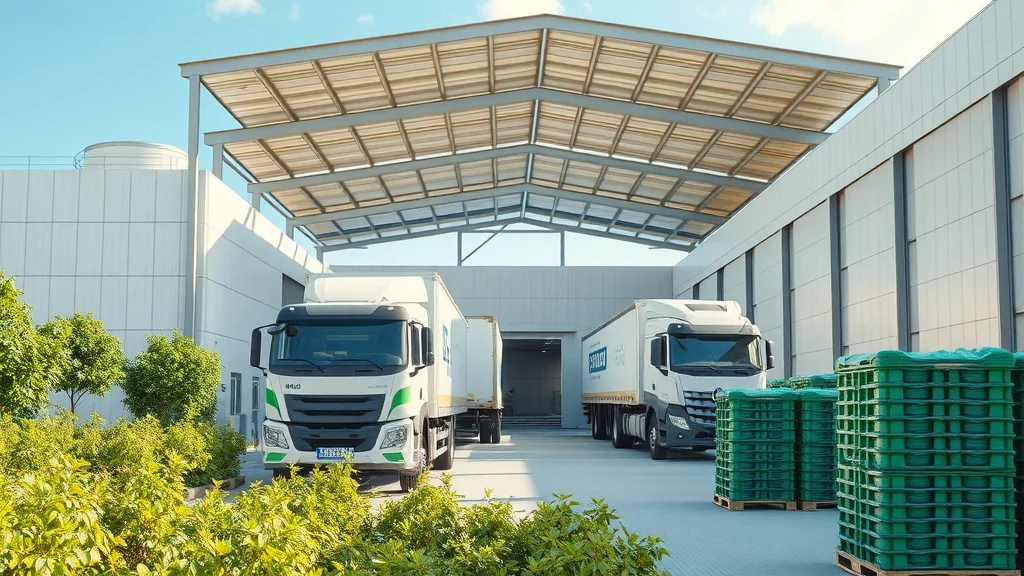
A Startling Truth: The State of Chemical Recycling of Plastic in 18 US States
Plastic waste is piling up across the globe—and America is no exception. Despite increased attention on recycling technologies and public commitments to reduce plastic pollution, only a small fraction of plastic products find a second life. The bulk ends up as solid waste in landfills or pollutes our natural environment. In response, 18 US states have taken significant steps to embrace chemical recycling of plastic, aiming to redefine plastic waste management, drive advanced recycling practices, and transform the traditional recycling industry. This move isn't just about cleaning up: it's about redefining plastic production, supporting environmental justice, and upholding the Clean Air Act. In this article, we dive into the real impact these states are making—exploring innovative policies, emerging facilities, and the opportunities and challenges facing chemical recycling of plastic in 18 US states.
The Untold Story: Plastic Waste Crisis and the Need for Chemical Recycling
"Nearly 91% of plastic waste is not recycled—despite growing efforts in technology and policy reforms."
The scale of the plastic pollution problem is overwhelming. Every year, millions of tons of plastic waste flow into landfills and oceans. Mechanical recycling—our traditional method—struggles with contaminated streams and mixed plastics. This is where chemical recycling steps in, offering hope by breaking plastics down to their raw materials, making it possible to reuse what was once destined for disposal. Yet, chemical recycling remains underrepresented, especially when compared to the scale of the plastic waste crisis. The chemical recycling of plastic in 18 US states marks a crucial turning point—driven by new policies, investment in recycling facilities, and public awareness about environmental protection and solid waste reduction. These 18 states are setting the pace for advanced recycling and a cleaner future.
As states continue to refine their approaches to advanced recycling, it’s important to recognize how policy changes and regulatory shifts can directly impact the growth of sustainable industries. For a closer look at how political actions can influence the development of clean energy sectors, consider exploring the impacts of government decisions on offshore wind jobs in America, which highlights the broader relationship between legislation and environmental innovation.
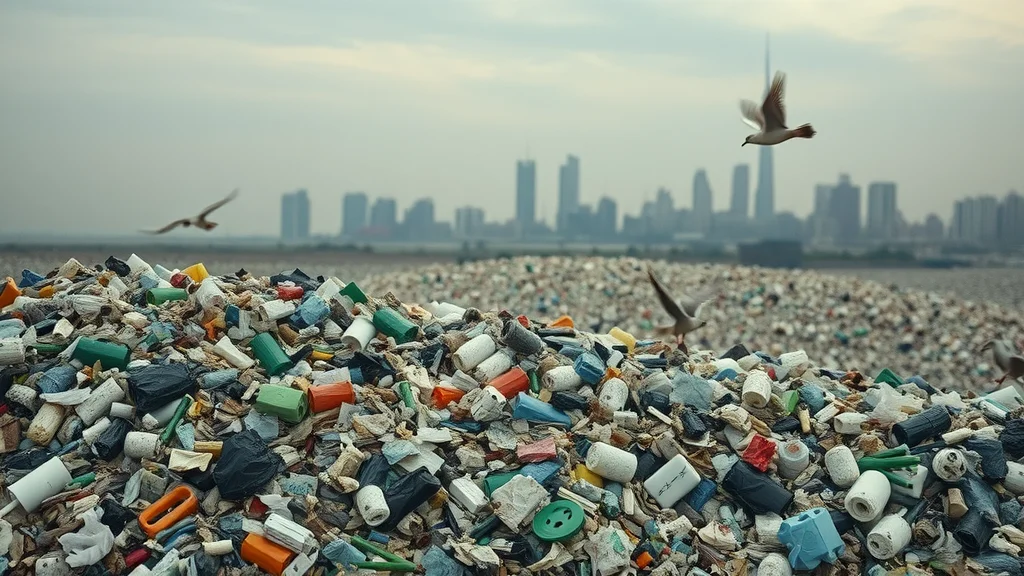
What You'll Learn About Chemical Recycling of Plastic in 18 US States
- The fundamentals and evolution of chemical recycling of plastic
- How advanced recycling addresses plastic pollution and solid waste
- Key policies and innovations in 18 US states
- Environmental justice implications and the Clean Air Act
- Opportunities for growth in plastic production and product life cycle
Understanding Chemical Recycling of Plastic in 18 US States
Defining Chemical Recycling of Plastic and Advanced Recycling
"Chemical recycling encompasses technologies that convert plastic waste back into raw materials, enabling endless recycling loops."
At its core, chemical recycling of plastic involves using advanced technologies to break down plastic waste into their fundamental building blocks, or raw materials. Unlike traditional methods that mostly sort and shred plastics, chemical recycling transforms plastics at the molecular level—unlocking new opportunities to create high-quality plastic products, alternative fuels, and even specialty chemicals. This process is key in the 18 US states leading the movement, as it enables advanced recycling to tackle difficult-to-recycle waste, improve environmental protection, and comply with evolving solid waste regulations. Advanced recycling isn’t just another buzzword; it’s a growing sector of the recycling industry with enormous potential for reducing plastic pollution nationwide.
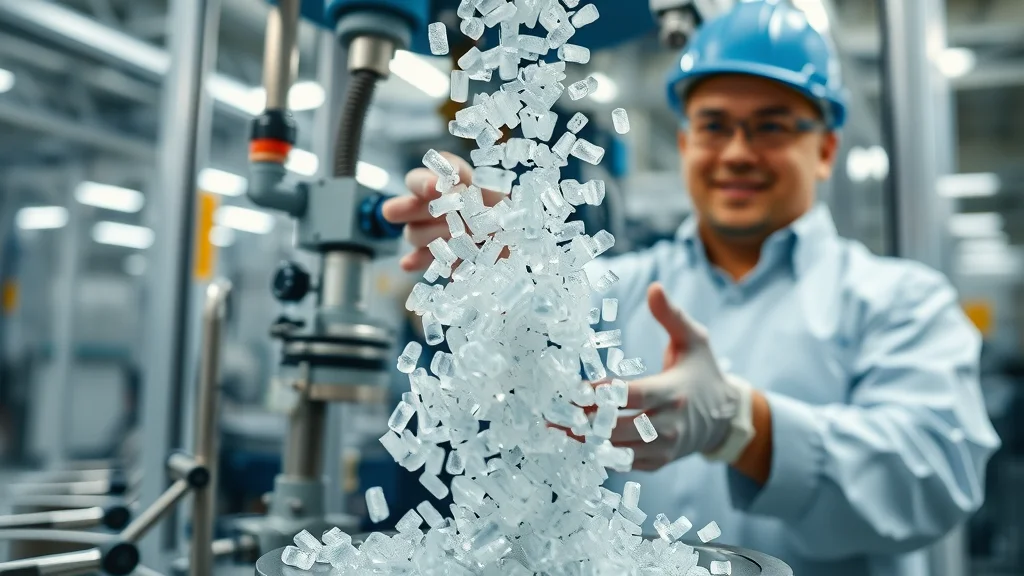
How Chemical Recycling Differs from Traditional Recycling of Plastic
Chemical recycling represents a radical shift from traditional plastic recycling. While mechanical recycling relies on sorting, grinding, and re-melting plastics—often resulting in lower quality products—chemical recycling restores plastics to their molecular origins. This allows for more robust recovery of plastic waste, even when it’s mixed or contaminated, and minimizes the risk of producing hazardous waste. Here’s how they differ:
- Chemical recycling uses molecular conversion vs. mechanical sorting
- Handles mixed and contaminated plastic waste
- Produces feedstock for new plastic products
In the United States, the expansion of chemical recycling facilities is now seen as a solution to both technical and environmental limits of the existing recycling industry. By using advanced recycling, we can not only increase recycling rates but also ensure that plastic production remains sustainable and aligns with clean air policies and environmental justice initiatives.
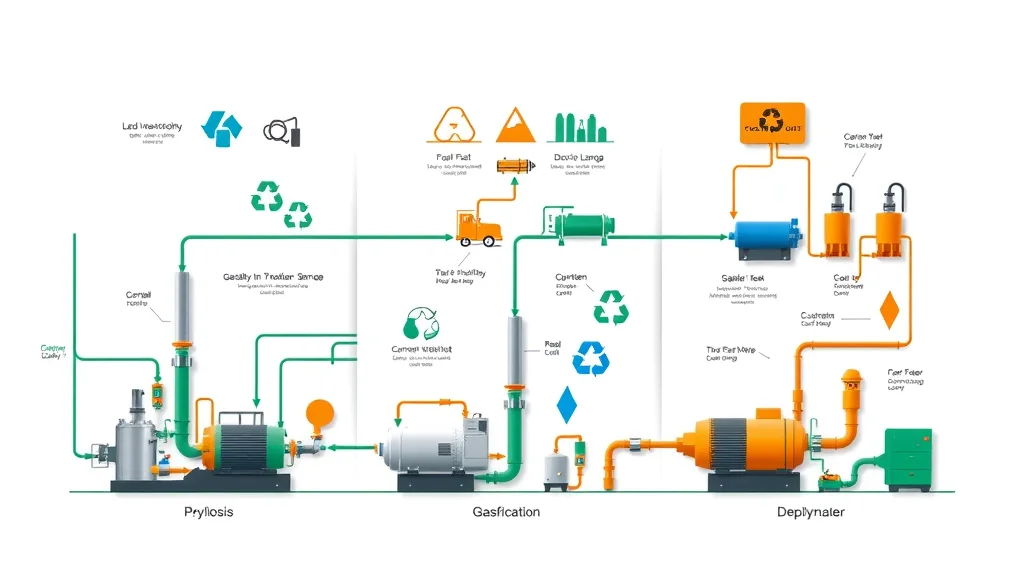
Types of Chemical Recycling: Pyrolysis, Gasification, Depolymerization
Not all chemical recycling processes are created equal. Three primary methods are transforming the chemical recycling of plastic in 18 US states: pyrolysis, gasification, and depolymerization. Pyrolysis heats plastics in the absence of oxygen to create fuel and new raw materials. Gasification breaks down waste plastics with limited oxygen, producing syngas used for power or as a base for new materials. Depolymerization targets specific types of plastic to return them to their original monomers, allowing for high-quality recycled plastics. Each of these advanced recycling methods offer distinct advantages for handling diverse waste streams and support state-level efforts to close the loop in plastic product lifecycles.
| Method | Process | Key Output | Facility Examples | Highlighted States |
|---|---|---|---|---|
| Pyrolysis | Thermal decomposition in absence of oxygen | Fuel, feedstocks, waxes | Brightmark, Agilyx | Texas, Ohio, Florida |
| Gasification | High-temp reaction with controlled oxygen/steam | Syngas, chemicals, fuels | RES Polyflow | Illinois, Pennsylvania |
| Depolymerization | Breaks polymers into monomers (chemical catalysts) | Monomers for new plastics | Loop Industries | California, North Carolina |
Current Landscape: Chemical Recycling of Plastic in 18 US States
Policies Driving Advanced Recycling in the United States
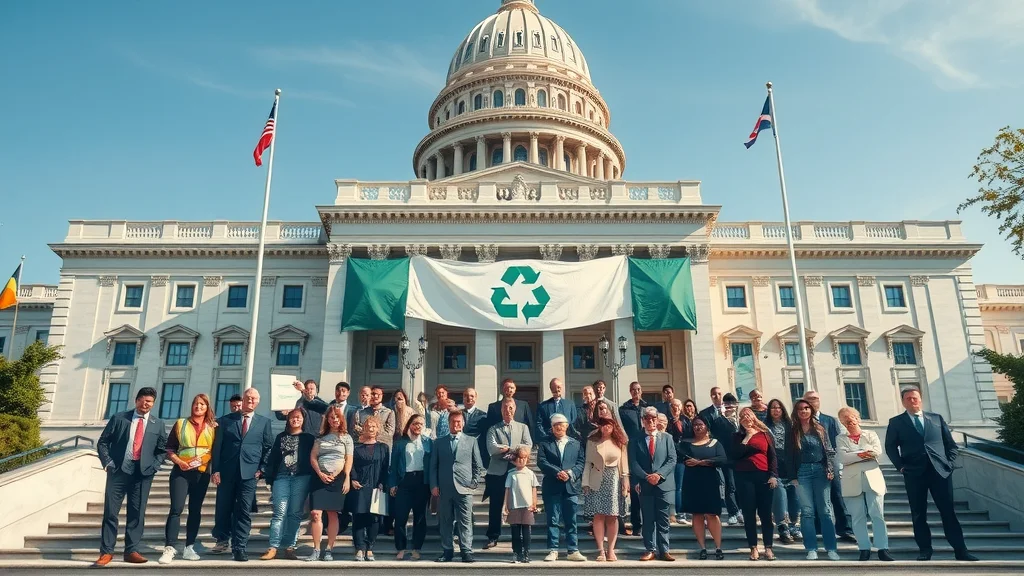
Policy innovation is central to the success of chemical recycling of plastic in 18 US states. Several states—like Texas and Ohio—have passed legislation classifying advanced recycling processes as manufacturing, which simplifies permitting and operation of recycling facilities. Driven by the need for more effective solid waste management, these policies also address environmental justice concerns and aim to comply with the Clean Air Act. State support has enabled a rapid expansion of the recycling industry, attracting major companies and investment. Policy reforms are crucial for meeting the challenges of plastic pollution and hazardous waste while unlocking the full potential of advanced recycling in the United States.
Overview of Existing Chemical Recycling Facilities and Plastic Production
- Key players in chemical recycling of plastic
- State-by-state highlights
- Recent facility launches
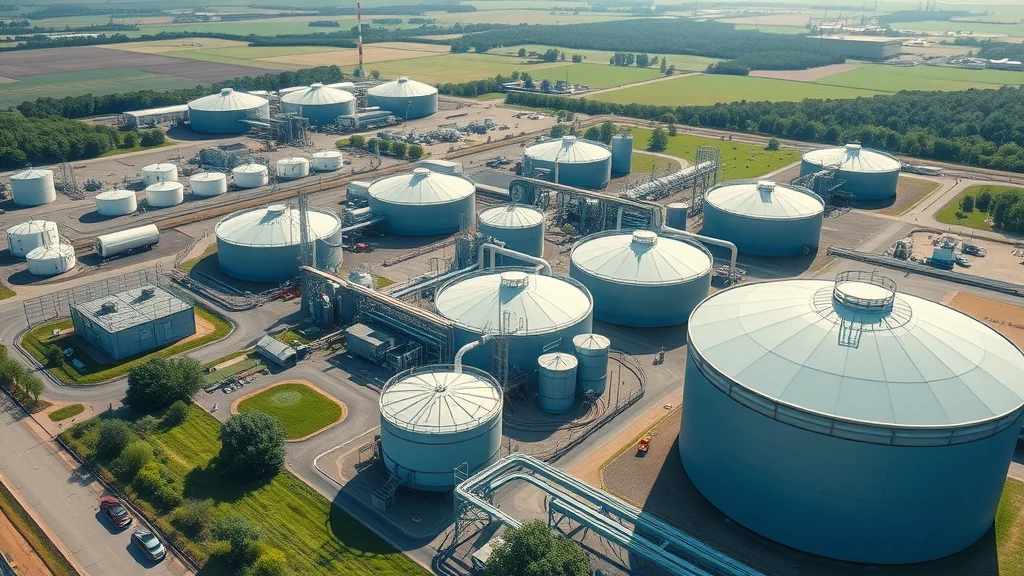
From established chemical recycling giants like Agilyx, Loop Industries, and Brightmark, to innovative local facilities, the United States is home to dozens of new operations in the 18 leading states. Each state brings its strengths: Texas is a hub for large-scale plastic production and recycling, Ohio and Illinois host pioneering facilities, and Florida and California push technology and policy boundaries on both coasts. These states are reshaping how the nation manages plastic waste, reducing landfill dependency, and driving advanced recycling at commercial scale. Facility launches are increasing, with new recycling technologies coming online each year—further closing the gap between plastic waste generation and true sustainability.
Economic and Environmental Impacts of Chemical Recycling of Plastic
Benefits: Reducing Plastic Waste, Fueling New Plastic Product Markets
"Advanced recycling can recover value from materials previously destined for landfills or incinerators."
The benefits of chemical recycling of plastic in 18 US states are transformative. These states are driving a shift from single-use, disposable models to a circular economy, where plastic waste becomes the foundation for new plastic products. This approach not only reduces plastic pollution and solid waste, but also supports job creation, advances manufacturing, and opens new markets in the recycling industry. Additionally, it ensures that more plastic stays out of the environment and out of hazardous waste streams—ultimately supporting both economic growth and environmental protection. By turning plastic waste into a profitable resource, advanced recycling offers a new vision for the future of plastic production in the United States.
Challenges: Plastic Pollution, Regulatory Barriers, and Environmental Justice
While the promise of chemical recycling is real, there are significant challenges. Not all processes are equally effective, raising concerns about efficiency, air pollution, and compliance with the Clean Air Act. Regulatory barriers remain, as states work to classify and monitor new recycling technologies. Concerns about hazardous waste from chemical recycling have prompted calls for greater transparency, regulatory clarity, and community engagement—especially in frontline communities that have historically shouldered the burden of solid waste and pollution. Environmental justice advocates urge that new facilities prioritize health, safety, and accountability. Overcoming these challenges is essential for the responsible growth of advanced recycling in the United States.

Solid Waste Management, Clean Air Act, and Health Concerns
Solid waste management laws and regulations—along with the Clean Air Act—are key drivers of chemical recycling policy in the United States. States and the Environmental Protection Agency are working to ensure recycling facilities meet high standards for emissions, waste handling, and process transparency. Health concerns around air pollution and hazardous waste from advanced recycling facilities must be addressed through both technological innovation and community oversight. Extended producer responsibility and the role of the American Chemistry Council are shaping how new recycling facilities align with environmental protection and deliver on the promise of a cleaner, safer future. The road isn’t without risks, but innovation and regulation are making progress possible.
Case Studies: Chemical Recycling of Plastic in Different US States
Leading States in Advanced Chemical Recycling of Plastic
- Texas
- Ohio
- Illinois
- Florida
- California
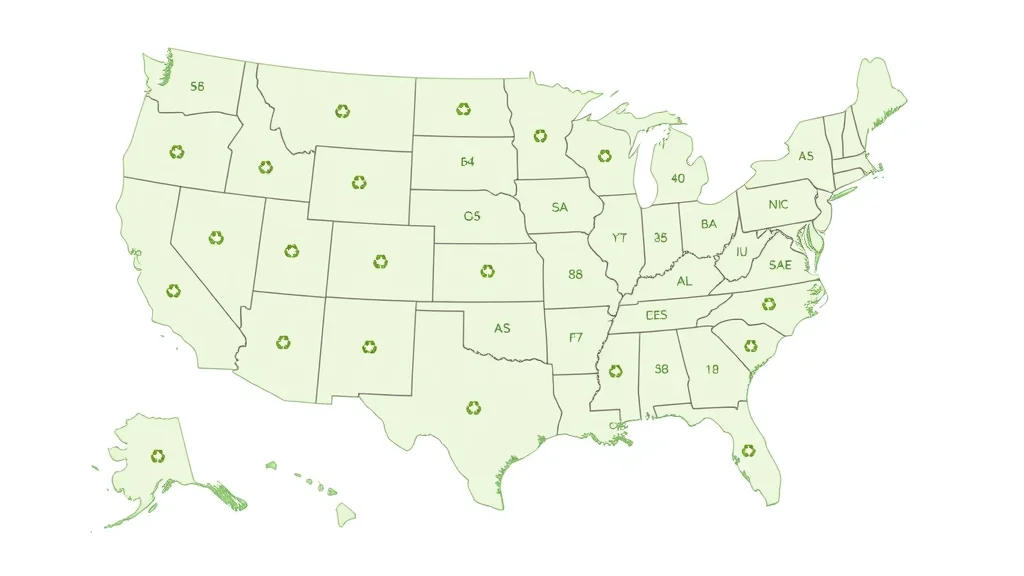
Each of these states offers a compelling example of how chemical recycling can drive positive change. Texas has become a leader with large-scale advanced recycling hubs and strong support for plastic production. Ohio’s research partnerships and facility investments put it at the cutting edge of recycling technologies. Illinois leverages policy and industry support for a growing network of recycling companies and product innovation. Florida is pushing for greener manufacturing and product life cycles, while California channels legislative action to address both solid waste and environmental justice. Together, these case studies demonstrate the diverse approaches shaping chemical recycling of plastic in 18 US states—and point the way for other states to follow.
Key Legislation Shaping Chemical Recycling of Plastic in 18 US States
| State | Key Policy/Law | Impact on Advanced Recycling |
|---|---|---|
| Texas | HB 2093 (Manufacturing Classification) | Simplifies permitting, boosts investment and facility launches for chemical recycling |
| Ohio | SB 89 (Classification & Regulation) | Enables new recycling technologies, cuts regulatory barriers |
| Illinois | HB 2495 (Advanced Recycling Law) | Recognizes chemical recycling as manufacturing, streamlines compliance |
| Florida | SB 1292 (Recycling Facilities Reform) | Support for research, tech advances, product innovation |
| California | AB 881, SB 343 (Product Responsibility) | Aligns recycling with environmental justice, transparency and extended producer responsibility |
Expert Opinions: Is Chemical Recycling of Plastic the Solution to Plastic Waste?
"The promise of circularity relies on robust policy, transparent reporting, and industry commitment to environmental justice."
Experts agree that the chemical recycling of plastic in 18 US states is a key part of the solution to plastic waste. Leaders from the American Chemistry Council, the Environmental Protection Agency, and frontline community groups emphasize that policy, technology, and transparent reporting must work together. Industry commitment to environmental justice and public health is essential. Many believe advanced recycling, when properly regulated, can turn the tide on plastic pollution and hazardous waste—setting a global example for sustainable solid waste management and clean air.

People Also Ask: Chemical Recycling of Plastic in 18 US States
What percentage of plastic is actually recycled in the United States?
Currently, only about 8.7% of plastic is recycled in the United States, despite the implementation of advanced recycling processes. This highlights the untapped potential for chemical recycling of plastic, especially in the 18 US states leading the way.
Where do 79% of all plastic products end up?
79% of all plastic products accumulate in landfills or the natural environment, further demonstrating the urgency for widespread chemical recycling of plastic solutions.
What is chemical recycling of plastic?
Chemical recycling of plastic is an advanced recycling process that breaks down plastic waste into its fundamental building blocks, making it possible to create new, high-quality plastic products or alternative fuels.
What states recycle plastic?
Most US states recycle plastic in some form, but 18 states have championed chemical recycling of plastic and advanced recycling policies, setting themselves apart with innovative facilities and legislation.
Watch: How Chemical Recycling Works
Step-by-step animated visualization: plastic waste collection, processing, chemical breakdown, and transformation into new plastic products.
FAQs About Chemical Recycling of Plastic in 18 US States
How is chemical recycling regulated in the United States?
Regulation of chemical recycling in the United States varies by state. Many of the 18 leading states have passed laws recognizing chemical recycling as a form of manufacturing, easing the regulatory barriers for recycling facilities. Federal oversight by the Environmental Protection Agency (EPA) ensures compliance with clean air and hazardous waste laws. Facilities must meet strict criteria on emissions, solid waste management, and health protection, aligning advanced recycling operations with the Clean Air Act and environmental justice priorities.
What new technologies are being used for advanced recycling?
The most prominent new technologies in advanced recycling are pyrolysis, gasification, and depolymerization. These high-tech processes use heat, limited oxygen, or chemical catalysts to break down plastics at the molecular level. They provide flexible solutions for mixed plastic waste streams and deliver higher-quality raw materials and feedstocks for new plastic products. Thanks to continual investment and policy support, the United States is emerging as a leader in bringing these recycling technologies to scale.
Can chemical recycling of plastic really make a difference in plastic pollution?
Absolutely. Chemical recycling of plastic in 18 US states is already making an impact by keeping more plastics out of landfills and the environment. Advanced recycling offers a sustainable solution to solid waste management, turning plastic waste into valuable products rather than hazardous waste. The key to success lies in responsible regulation, investment in new recycling facilities, collaboration with communities, and an ongoing commitment to environmental protection and economic growth.
How do advanced recycling facilities align with the Clean Air Act?
Advanced recycling facilities must comply with the Clean Air Act, which sets federal standards for air quality and pollution control. This means chemical recycling plants are regularly monitored for emissions and must use best-available technologies to minimize air pollution. States and local authorities, together with the EPA, ensure facilities uphold environmental justice and community health, addressing concerns about hazardous waste and solid waste impacts while supporting innovation and growth in the recycling industry.
Key Takeaways: The Future of Chemical Recycling of Plastic in the United States
- Chemical recycling of plastic is a critical growth driver in 18 US states
- Advanced recycling and policy innovation are transforming plastic waste management
- Collaboration, transparency, and regulation are essential for environmental justice and clean air
Conclusion: Shaping a Sustainable Future with Chemical Recycling of Plastic in 18 US States
"Embracing chemical recycling of plastic is not just an environmental imperative—it’s an opportunity for sustainable economic growth across the United States."
By supporting chemical recycling of plastic in 18 US states, we can turn the tide on plastic pollution, drive innovation, and shape a cleaner, more sustainable future for generations to come.
If you’re inspired by the progress in chemical recycling and want to understand the broader forces shaping America’s clean energy future, it’s worth examining how shifts in political leadership and policy can influence entire industries. The story of offshore wind jobs in the United States, for example, reveals how legislative decisions can either accelerate or hinder the growth of sustainable sectors. Delve into the complex interplay between politics and renewable energy employment to gain a deeper perspective on the challenges and opportunities that lie ahead for environmental innovation nationwide.




Write A Comment