

Imagine the energy needs of entire countries—now picture that some U. S. states are approaching these levels simply due to state-wise AI power demand. AI isn’t just changing technology; it’s disrupting America’s electricity map, forcing us to rethink how power, policy, and progress tangle together. This eye-opening breakdown explores which states are shouldering the heaviest AI-driven electricity loads, why this matters for everyone, and what actions the nation should take to keep the lights—and innovation—on.
The Startling State-Wise AI Power Demand: Setting the Stage
"Did you know that some U.S. states are experiencing AI-driven electricity surges that rival small nations?"
In 2023, Northern Virginia’s data centers consumed more electricity than the entire state of Vermont.
Texas leads the South with explosive demand for AI data processing—matching the output of small fossil fuel power plants.
Some rural states—like North Dakota—have seen electricity use double due to sudden data center expansions.
AI model training can require as much power as 100,000 homes for a month in some states.
Electricity supply chains are adapting in real time to AI’s insatiable appetite for energy.
Why State-Wise AI Power Demand Matters
The explosion of state-wise AI power demand goes far beyond tech headlines—it’s reshuffling how electrical resources are allocated and shaping new battlegrounds for business, politics, and environmental stewardship. When one state builds dozens of massive data centers for artificial intelligence while another lags behind, it creates tremendous differences in electricity supply stability, pricing, and even economic opportunity. AI-driven surges are fast becoming a defining factor in state budgets, grid reliability, and even real estate prices for communities near booming data hubs.
At the heart of this transformation is the way data centers consume electricity—often at rates never anticipated by utility companies. These enormous facilities, packed with servers and advanced cooling systems, have drawn urgent attention from policymakers and electric power research institutes: Can state grids keep up without sacrificing sustainability or everyday access? These are not theoretical concerns; they touch every American who flips on a light, pays an electric bill, or benefits from AI-powered services. The stakes are rising, and state-level action has never been more critical.
As states race to modernize their grids and balance economic growth with environmental responsibility, the intersection of energy policy and job creation becomes increasingly important. For a closer look at how political decisions can directly impact the renewable energy workforce and infrastructure, explore the impacts of political actions on offshore wind jobs in America and see how energy transitions ripple through local economies.
Immediate Stakeholder Reactions to Rising State-Wise AI Power Demand
Utilities, local officials, and state leaders are scrambling to keep pace with the skyrocketing center demand from emerging AI technologies. In regions like Texas and Northern Virginia, electricity providers report unprecedented load requests, causing them to fast-track new power plants and upgrade transmission lines. Meanwhile, residents near new data centers express concerns about noise, grid pressure, and long-term electricity supply security.
Business stakeholders recognize the economic boon—data center development brings jobs and tax revenue. However, energy experts caution against unchecked expansion. With each new cluster of data centers, the total electricity consumption at the state level can increase at an order of magnitude faster than historical norms. This state-wise shift in power dynamics means new tensions and alliances are emerging between utility companies, environmental groups, and the technology sector.
What You’ll Learn About State-Wise AI Power Demand
How data center electricity use is transforming state power profiles.
What happens to electricity supply when AI and digital infrastructure expand rapidly in certain states.
Why electricity consumption varies so drastically between states.
What actionable next steps policymakers and industry leaders can take to ensure a reliable, sustainable path forward.
Breaking Down the Numbers: Data Center Electricity Use Across States
State |
Number of Data Centers |
Data Center Electricity Use (GWh/year) |
% of State Electricity Consumption |
|---|---|---|---|
Virginia |
100+ |
8,000 |
15% |
Texas |
60 |
5,300 |
10% |
North Dakota |
15 |
1,400 |
14% |
California |
80 |
2,700 |
4% |
Vermont |
2 |
40 |
0.5% |
West Virginia |
1 |
18 |
0.7% |
Top States for Data Center Electricity Consumption
It’s no surprise that powerhouse states like Virginia, Texas, and California top the charts for data center electricity. Virginia’s Loudoun County, in particular, has earned the nickname “Data Center Alley,” with facilities that draw on a dense network of fiber, inexpensive electric power, and proximity to eastern U. S. tech corridors. In Texas, everything is bigger—including electricity use. Houston and Dallas host sprawling AI models and data center clusters that push local grids to their limits.
North Dakota is the dark horse in the running. While smaller in population, the state has leaned into data center development with aggressive incentives and abundant natural gas reserves to fuel some of these power-hungry centers. States like North Dakota demonstrate how AI has democratized data center development far beyond the old tech hotbeds.
Surprising Laggards in State-Wise AI Power Demand
On the flip side, states like Vermont, West Virginia, and Maine have seen slower data center expansion and minimal AI-driven growth. Lower electricity rates in other regions and less robust digital infrastructure may dissuade major investments. Additionally, environmental and land-use regulations can sometimes discourage large-scale center electricity projects, leading to less dramatic electricity consumption spikes.
But being a laggard isn’t always a disadvantage. Some of these states have prioritized clean energy and grid modernization, creating fertile ground for sustainable future growth. As AI power demand continues its ascent, laggard states could suddenly emerge as attractive locations—especially if policy, renewable energy, and digital connectivity align.
How Data Centers are Reshaping State Electricity Supply
North Dakota: Data center construction has fueled new power plant development, often leveraging local natural gas and wind.
Texas: Expanding data center clusters push for faster grid improvements and partnerships with solar and wind providers.
Virginia: New transmission lines and electricity grid upgrades are specifically designed to meet explosive center electricity demand.
The Impact of Data Centers on State Infrastructure
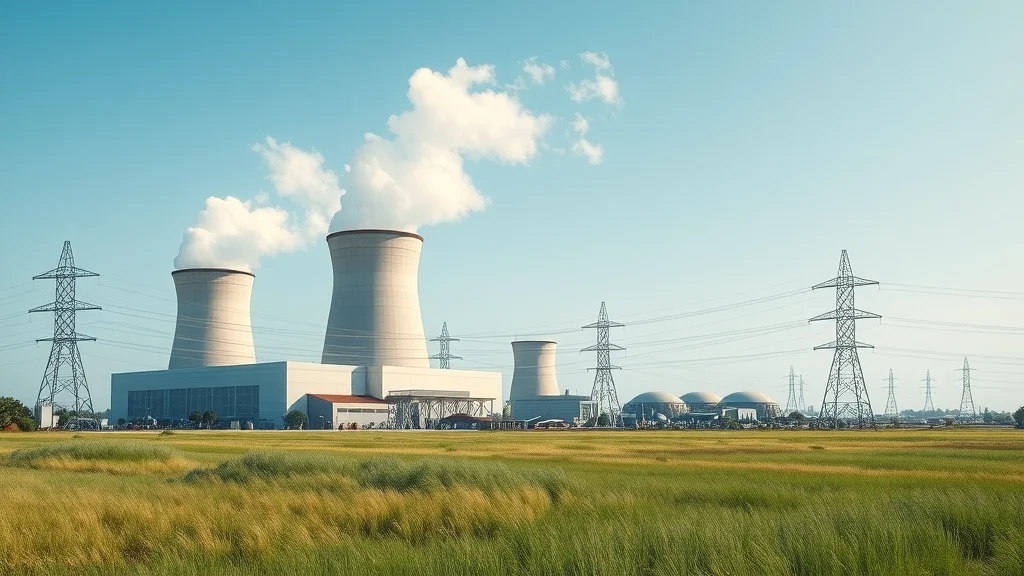
State governments and utility operators face a complex puzzle: how to balance electricity supply when one data center can consume as much as a city district. In regions where data center demand has surged, utilities are challenged to maintain stable delivery, modernize infrastructure, and prevent rolling blackouts during periods of peak energy demand. That means new transmission projects, grid-scale battery installations, and robust supply chain coordination must be fast-tracked to ensure that both consumers and tech giants have access to critical electric power.
As data centers consume larger shares of a state’s total electricity, their impact cascades into housing markets, local tax revenues, and even carbon emissions—a growing focus for both policymakers and everyday residents. Investments in grid resilience, disaster recovery, and cybersecurity are thus rising in parallel with center electricity demand.
Electricity Supply Strains in Fast-Growing AI States
Rapid AI-driven growth has led to energy bottlenecks in regions like Northern Virginia and major Texas metros. Utilities often struggle to secure enough power in real time, resulting in urgent price hikes, load-shedding measures, and negotiations with renewable energy developers. For some rural communities, sudden demand means older infrastructure is pushed beyond safe capacity, raising concerns about reliability and emergency responses.
Many state regulators are now considering building entirely new natural gas plants or expanding partnerships with hydroelectric producers to support AI data center electricity needs. The urgency of these measures highlights how quickly center demand can reshape energy landscapes, making forward-thinking planning more essential than ever.
Comparing State-Wise AI Power Demand: Winners, Losers, and Outliers
Virginia – Leading in data center electricity, consumption, and data centers per capita.
Texas – Massive AI infrastructure and rapid scalability.
North Dakota – Explosive growth relative to state size.
California – Many data centers but slower growth in percent terms.
Oregon – Sustainable focus but high AI energy use per capita.
Vermont – Minimal AI data infrastructure.
West Virginia – Aging grid, few new center developments.
Hawaii – High energy costs hinder data center growth.
Maine – Regulatory hurdles for large center development.
Alaska – Remote, not competitive for most AI projects.
Winners thrive on abundant, cheap electricity supply and digital infrastructure.
Losers lag due to costs, regulations, and limited market access.
Outliers benefit from sudden policy shifts or strategic energy investments.
AI-Powered Industries and Electricity Consumption Patterns
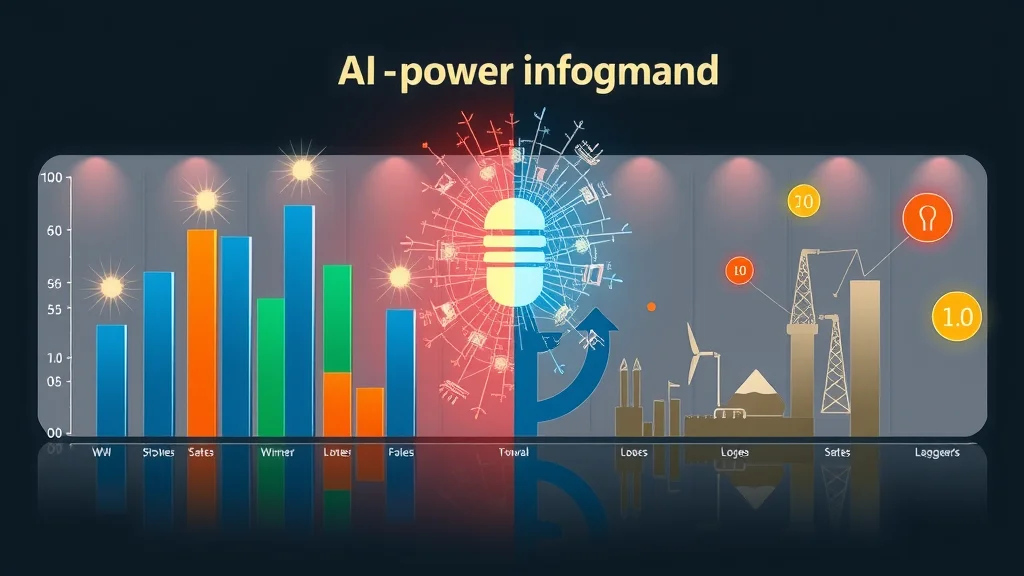
The industries driving state-wise AI power demand are as varied as their power appetites. Financial services, logistics firms, and cloud providers deploy sprawling AI models that require uninterrupted, high-capacity electricity. In states like California and Texas, innovative sectors—ranging from autonomous vehicles to precision agriculture—layer additional demand atop their already busy grids.
Consumption patterns are also affected by how quickly states can incentivize efficient AI operations. Those adopting smarter cooling, renewable energy integration, and microgrid strategies see less strain on their electric power supply, setting examples for eco-friendly, future-proof development.
Policy Differences that Influence State-Wise AI Power Demand
State policy is proving to be the ultimate AI power-breaker or maker. Aggressive tax breaks, fast-track permitting, and robust utility partnerships (like those in North Dakota or Northern Virginia) turbocharge data center development. Meanwhile, states with long permitting timelines, weaker utility oversight, or stricter zoning often see major center demand shift elsewhere.
Several innovators are experimenting with renewable mandates, battery storage credits, and demand-response incentives for data centers. These policies don’t just impact state-wise electricity rates—they alter where the next wave of AI investment chooses to land.
Data Center Electricity Trends: What the Experts Are Saying
"AI is reshaping where—and how—America uses its electricity," says a nationally recognized energy economist.
How Center Electricity Use Projects Future Needs
Most major grid planners and power research institutes now treat center electricity use as a core metric for forecasting infrastructure investments. Each year, new projections layer in the unpredictability of AI: one ai model breakthrough can cause center electricity consumption to double in target states within just a few months. As a result, utilities are designing new power plants, transmission lines, and storage facilities with AI’s voracious appetite top of mind.
This forward-looking planning is crucial: if center electricity growth continues unchecked, several states risk hitting supply limits within the next decade, potentially causing economic slowdowns and missed digital opportunities.
Expert Predictions on State-Wise AI Power Demand in the Next Decade
Energy analysts predict that by 2035, AI-powered data centers could account for up to 30% of total electricity consumption in the leading states. Others suggest regional grid imbalances could trigger zone-specific surcharges or even power rationing if smarter, renewable-focused solutions aren’t rolled out soon. The overwhelming trend? Policymakers and industry must coordinate now or risk falling behind both economically and environmentally.
Renewable energy—especially wind and solar—is poised to become the backbone of sustainable AI expansion. Widespread adoption will require ambitious policies, robust supply chains, and far-sighted investments that consider both present and future electricity demand loads.
Environmental and Social Impact of State-Wise AI Power Demand
AI data centers drive local ecological pressure—think water use for cooling and expanded land footprints.
Increased carbon footprint from electricity generation—unless renewable energy is prioritized.
Communities near major data centers have mixed views: new jobs, but rising concerns over resource use and noise pollution.

State-Level Responses to AI-Driven Electricity Consumption
Many states now require AI-focused data centers to complete rigorous environmental assessments before beginning construction. These processes assess impacts on local water, air, and noise levels. In response to rising electricity use, some states have formed advisory panels to explore balancing growth with sustainability—and to advise on smart technology deployments that curb emissions while maintaining digital competitiveness.
Community groups have also mobilized, advocating for green space protection, revenue-sharing models, and community access to infrastructure upgrades funded by new data center investments.
Case Study: North Dakota’s Data Center Surge
North Dakota offers a fascinating contrast to more established digital giants. Attracted by low energy costs, available land, and state incentives, major tech firms have launched a flurry of center development. Between 2020 and 2023, North Dakota nearly doubled its total electricity consumption due to new centers powering advanced analytics, AI modeling, and cryptocurrency processing.
State officials worked with both private firms and federal agencies to expand transmission capacity and diversify energy sources, including wind and natural gas. Thanks to collaborative, forward-thinking policy, North Dakota stands as a template for how small states can punch above their weight in the AI energy landscape.
Lists: State-Wise AI Power Demand—Top 5 and Bottom 5 States
-
Top 5 States by State-Wise AI Power Demand
Virginia
Texas
North Dakota
California
Oregon
-
Bottom 5 States by State-Wise AI Power Demand
Vermont
West Virginia
Hawaii
Maine
Alaska
High rankings correlate with strong electricity supply, major data cluster incentives, and digital-ready infrastructure.
Bottom states face persistent regulatory, cost, or connectivity hurdles.
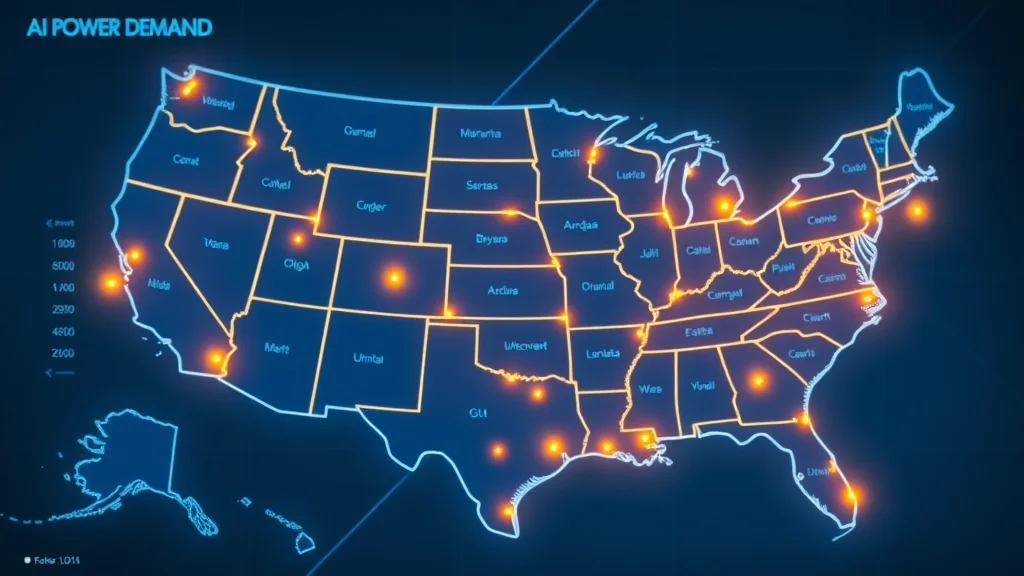
Watch an animated map that highlights the dynamic flow of AI power demand across U. S. states. The visualization shows pulsing energy lines linking major data centers, starkly contrasting states surging ahead with those lagging behind.
Dynamic Map of Data Centers and Electricity Consumption per State
Animated maps make it easy to see just how concentrated data center electricity and center demand are in a handful of crucial states. The visual reinforces the urgent need to plan smarter, collaborate across regions, and anticipate fast-rising center electricity uses before local grids are overwhelmed.
By combining this visual data with stakeholder feedback, policymakers can pinpoint hot spots and prioritize targeted investments that benefit both residents and industry.
How Smart Policy Can Balance State-Wise AI Power Demand
Mandate higher renewable energy standards for all new data centers.
Invest in grid modernization and resilient transmission infrastructure.
Deploy demand-response programs that reward efficiency during peak loads.
Encourage interstate partnerships for flexible, region-wide electricity supply management.

Legislative Innovations Addressing Electricity Consumption and Data Centers
Some states now require all new data centers to be powered by a fixed ratio of renewables, while others provide tax credits for AI facilities that invest in community energy projects. Progressive legislation in Virginia, for example, funds grid enhancements alongside public green infrastructure, directly tying data center expansion to local benefit.
The most successful policies are those formed by tripartite collaboration—state governments, utility monopolies, and major tech companies working in concert to produce stable, future-ready results.
Collaboration Opportunities Between States on AI Power Demand
Given the cross-border nature of electricity grid management, collaboration is essential. States sharing borders can pool resources for new transmission corridors, coordinate emergency energy support, and standardize data center development requirements. These alliances maximize resource efficiency and ensure AI’s benefits are distributed more equitably nationwide.
Regional power pools and national planning can keep local interests aligned with America’s competitive digital edge, reducing electrical bottlenecks and supporting innovation for decades ahead.
People Also Ask
What is driving the increase in state-wise AI power demand?
Answer: Data centers, AI-driven analytics, and expanded digital infrastructure are key forces behind growing state-wise AI power demand.
How does AI power demand affect electricity supply at the state level?
Answer: Increased state-wise ai power demand can strain regional electricity supplies, requiring grid upgrades and new sources.
Which states are leading in AI electricity consumption?
Answer: States such as Virginia, Texas, and North Dakota show the highest data center electricity use.
Are there environmental risks from rising state-wise AI power demand?
Answer: Elevated electricity consumption from data centers can increase emissions and resource strain unless offset by renewables.
FAQs: State-Wise AI Power Demand
How is center electricity measured and reported by state?
Center electricity is measured using utility meter data and state-level reporting requirements. Utility companies aggregate electricity consumed by large data centers within each state and report totals to public utility commissions.Why do data centers cluster in certain states?
States with low electricity costs, reliable infrastructure, tax incentives, and strong Internet connectivity attract more data center development.Can renewable energy fully support state-wise ai power demand?
With robust investment and storage, renewables can meet most AI power needs, but it requires coordinated state policy and modernized grid infrastructure.
Key Takeaways on State-Wise AI Power Demand
The U.S. is experiencing dramatic differences in state-wise AI power demand, with some states facing electricity surges equal to small nations.
Data center expansion is forcing urgent upgrades in grid infrastructure and policy planning, while reshaping real estate, employment, and ecological priorities.
Smart, sustainable growth requires interstate collaboration, renewable energy investment, and bold policy innovation to keep pace with AI-driven digital futures.
Examples of Green Data Centers and Regional Initiatives
Emerging projects in Oregon, Texas, and Virginia now power data centers with 100% wind and solar—reducing their carbon footprint while supporting local economies. Other regions are piloting technologies like immersion cooling and on-site energy storage, proving that sustainable and scalable solutions to state-wise AI power demand are both possible and profitable.
Conclusion: Where State-Wise AI Power Demand is Taking Us
The race to manage state-wise AI power demand is on. Smart policy, innovative technology, and coordinated action are essential—America’s digital future depends on it.
As you consider the future of AI and energy, remember that the challenges and opportunities extend far beyond state borders. The evolution of America’s energy landscape is shaped by a complex interplay of technology, policy, and workforce dynamics. If you’re interested in how national decisions and political shifts can influence not just power demand but also the growth of renewable sectors and job creation, take a deeper dive into the broader impacts of political actions on offshore wind jobs. Understanding these connections will empower you to anticipate trends, advocate for smarter solutions, and play a role in shaping a resilient, sustainable energy future.
Your Next Steps Toward Smarter Energy—Check Out the Reach Solar Review
Learn how renewable energy solutions like Reach Solar can help states and businesses manage state-wise AI power demand responsibly.
Buy Your New Home With Zero Down Reach Solar Solution
Ready to Make a Change? Check Out the Reach Solar Review: https://reachsolar.com/seamandan/#about

Buy Your New Home With Zero Down Reach Solar Solution: https://reachsolar. com/seamandan/zero-down-homes
Sources
Utility Dive – https://www.utilitydive.com/news/ai-data-center-electricity-grid-impact/687409/
U.S. Energy Information Administration – https://www.eia.gov/todayinenergy/detail.php?id=55691
Wired – https://www.wired.com/story/data-center-boom-energy-demands/
The rapid expansion of artificial intelligence (AI) is significantly impacting electricity consumption across various U. S. states, with some regions experiencing unprecedented demand due to the proliferation of AI-driven data centers. In Virginia, the surge in data centers has led to “unprecedented energy demand,” with facilities consuming more than 360 million kilowatt-hours annually, equivalent to the annual power use of approximately 36,000 homes. (designrush. com) Texas hosts 17 AI clusters, consuming about 80. 3 million megawatt-hours annually, accounting for 14. 7% of the state’s power generation. (texasroyaltybrokers. com) Colorado has emerged as a leading hub for AI, ranking eighth in the U. S. for per-capita AI use, with AI businesses consuming more than 350 million kilowatt-hours annually. (axios. com) Pennsylvania is rapidly establishing itself as a key hub for gas-powered data centers, with the state adding 2. 4 gigawatts of capacity from March 2024 to March 2025. (axios. com) Georgia’s Public Service Commission approved a $16. 3 billion plan to increase electricity generation by 50%, primarily to meet soaring demand from data centers driven by AI growth. (apnews. com) These developments underscore the need for strategic planning and investment in energy infrastructure to accommodate the growing power demands of AI technologies.






Write A Comment