

Did you know? Globally, we generate over 2 billion tons of municipal solid waste each year, and less than 20% is recycled effectively
A Shocking Reality: The Impact and Promise of Recycling Technology
Today’s mountains of plastic waste and material waste present a daunting picture—yet, in this challenge lies the promise of transformative progress. Recycling technology is changing waste management beyond recognition. We now see recycling plants leveraging AI-powered sorting lines, mechanical recycling setups refining billions of pounds of plastics, and cutting-edge molecular recycling efforts targeting even the hardest-to-recycle mixed plastics and textiles. With the global demand for recycled content rising in everything from car bumpers to soft drink bottles, recycle technologies are at the forefront of both environmental responsibility and industry innovation.
It’s easy to feel overwhelmed by the scale of plastics waste, especially when knowing that the majority of our recycled plastic products still depend heavily on quality and cleanliness. Yet, the potential is undeniable: by advancing our recycling solutions, we can lower the environmental impact of post-consumer product waste, conserve raw materials, and reimagine the circular economy in action. Informed by both data and ground-level insights, this article delivers an opinionated perspective on how technology is—and isn’t—living up to its promise, casting a critical lens on the difference between aspirational marketing and real, measurable progress.
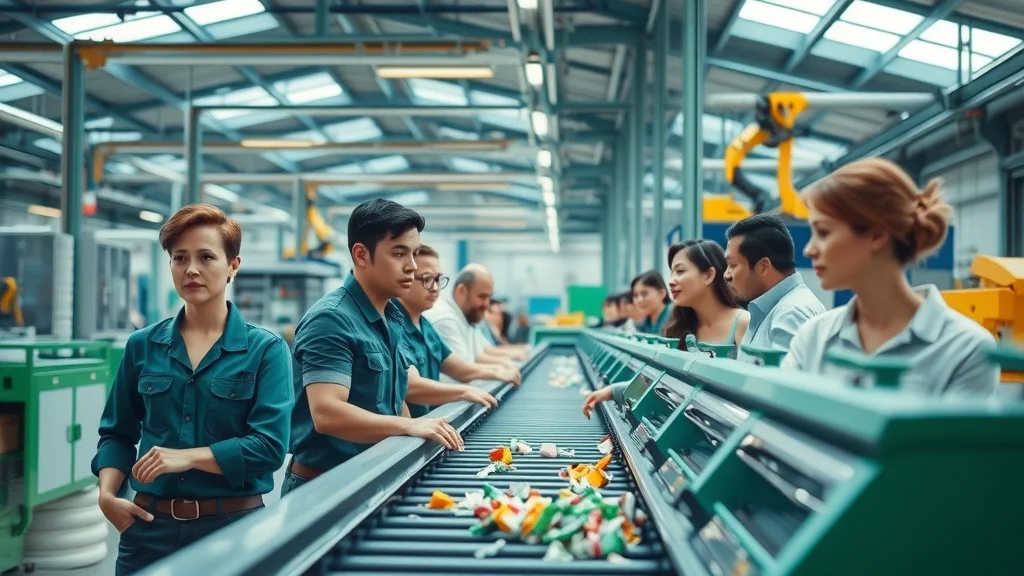
Opening Insights: How Recycling Technology Shapes the Future of Waste Management
The evolution of recycling technology is not just a story of new machines—it’s a mindset shift for industries, policymakers, and consumers. Innovations like molecular recycling are redefining how we process plastic waste, allowing almost any plastic product to become raw material for something new. Meanwhile, the adoption of AI and advanced sorting technology in recycling plants boosts both efficiency and the quality of recycled material. These bold steps don’t just help companies meet sustainability goals—they also inspire a new vision of the circular economy, where plastic waste isn’t just an environmental hazard, but a valuable resource waiting to be reborn.
- The evolution and breakthroughs in recycling technology
- The rise of molecular recycling and its significance
- How recycling technology aligns with sustainability goals and the circular economy
- New trends and innovations in recycle technologies
- Honest insights on the challenges and public perceptions
Understanding Recycling Technology: Foundations and Current Trends
Recycling technology encompasses a range of systems and methods that turn waste into reusable resources. Mechanical recycling—the cornerstone of traditional recycling—processes largely PET and HDPE plastics, metals, and paper through physical means like shredding and melting. This approach has managed to recycle billions of pounds of plastic, keeping large amounts of material out of landfills. However, as consumer products and packaging become more complex, mechanical recycling encounters more limitations, especially with mixed plastics or items contaminated by food and other substances.
To address these gaps, recycling plants are investing in AI-powered sorting systems, biological recycling (leveraging microbes and enzymes for biodegradable waste and bioplastics), and the rapidly advancing field of molecular recycling. Today’s top recycling solutions create higher-quality recycled material by reducing contamination and achieving a purity level that rivals virgin plastic. As the industry shifts gears with these innovations, the vision of a more sustainable future draws closer, yet overcoming economic and logistical hurdles remains essential to scale these advances globally. The race to meet sustainability goals is not just about better tech—it's about smart adoption, inclusive policies, and consumer education.
While these technological advancements are promising, the path to widespread adoption is not without setbacks. For example, recent delays in launching new chemical recycling plants highlight the complex challenges facing the industry, from regulatory hurdles to economic feasibility. Understanding these obstacles is crucial for anyone tracking the real-world progress of recycling innovation.
What Technology is Used in Recycling?
The phrase “recycling technology” refers to a robust suite of innovations. Mechanical recycling remains the foundation, efficiently processing common plastics (like PET from beverage bottles and HDPE from milk jugs) into recycled content for use in a myriad of plastic products, car bumper components, recycled polypropylene, and more. Yet, its limitations with plastics waste—especially when it comes to material quality and sorting—are apparent. That’s where molecular recycling, also known as chemical recycling, comes in: instead of reshaping plastics, this technology breaks them down to their molecular building blocks, turning even the most challenging mixed plastics into usable raw materials.
Supplementing these two main streams, AI-equipped optical sorters and robotics are now a mainstay in high-tech recycling plants. These advanced systems differentiate materials at lightning speed, catching valuable items previously overlooked by human eyes. Biological recycling, another new frontier, employs enzymes and microbes to transform bioplastics and even organic waste into new products with minimal environmental impact. All these recycling technologies aim to resolve the inefficiencies of traditional systems, minimize landfill waste, and set ambitious, achievable benchmarks on the path to a circular economy and greater sustainability goals.
The Rise of Molecular Recycling: Reimagining Waste Conversion
Molecular recycling is changing the entire recycling process. Unlike mechanical methods, which reshape and re-use plastics with certain constraints, molecular recycling disassembles plastics waste at a chemical level, repurposing it into new raw material. This powerful innovation allows us to target materials once considered “unrecyclable”—including food-contaminated containers, multilayer packaging, and hybrid textiles. Major consumer product companies and recycling plants are investing heavily here, eyeing potential reductions in environmental impact and a boost in recycled content for high-value applications.
What’s truly transformative is molecular recycling’s ability to generate recycled plastics with properties identical to virgin plastics. This results in bolder applications for recycled material, spanning medical devices, food packaging, car bumpers, and electronics—all while cutting down on greenhouse gas emissions linked to traditional manufacturing. However, challenges remain: the energy demands, scalability issues, and cost structures of molecular recycling need strategic intervention and support to unlock their full promise.

Molecular Recycling vs. Traditional Recycle Technologies
At the core, traditional mechanical recycling depends on sorting, cleaning, and melting plastics—a process suited mainly for single-type or clean streams like bottle-grade PET. This method has delivered impressive outcomes but falls short in handling contaminated or complex materials. Molecular recycling (sometimes called renewal technology) transcends these limitations. By breaking plastics down into their original monomers or fuel, it opens the door to a “closed-loop” system even for problematic plastics waste and mixed plastics streams rarely touched by mechanical processes.
According to sustainability experts, "Molecular recycling could fundamentally change our relationship with plastic waste," indicating a tipping point where recycled plastics can capture a much larger share of global material flows. Still, both technologies should coexist, each refining the recycling process for different waste streams. As they are refined, these innovative recycle technologies enable companies and communities to meet sustainability goals and reduce dependence on virgin raw materials.
"Molecular recycling could fundamentally change our relationship with plastic waste," according to sustainability experts.
| Type | Process | Waste Types Handled | Environmental Impact |
|---|---|---|---|
| Mechanical Recycling | Physical transformation | Plastics, Metals, Paper | Moderate |
| Molecular Recycling | Chemical breakdown | Plastics, Textiles | Lower (potentially) |
| Advanced Sorting Systems | Automated/AI-based sorting | Mixed materials | Reduced landfill |
| Biological Recycling | Microbial/enzymatic action | Organics, Pla–Bioplastics | Low |
Recycling Technology and Sustainability Goals
Recycling technology is not just about processing waste—it’s integral to achieving real sustainability goals. For businesses committed to lowering their carbon footprint, recycle technologies support the shift from resource extraction to using recycled content, reducing greenhouse gas emissions and preserving raw materials. In industries where billions of pounds of plastic products are manufactured yearly, adopting both mechanical and molecular recycling approaches is now viewed not just as an environmental duty, but as a strategic opportunity to secure long-term access to raw material while building resilience into supply chains.
Some corporations, especially in the soft drink and packaged consumer goods sectors, make bold claims about circular economy initiatives, aiming to maximize the use of recycled plastics in everything from bottles to packaging tape. But while many companies now outline plans that align with sustainability goals, real progress requires measurable outcomes and industry-wide transparency. To truly meet sustainability goals, every actor—from recycling plants to end consumers—must play their part. The challenge is ongoing, but the opportunities, especially through advanced renewal technology and innovation, make it the defining sustainability issue of our time.
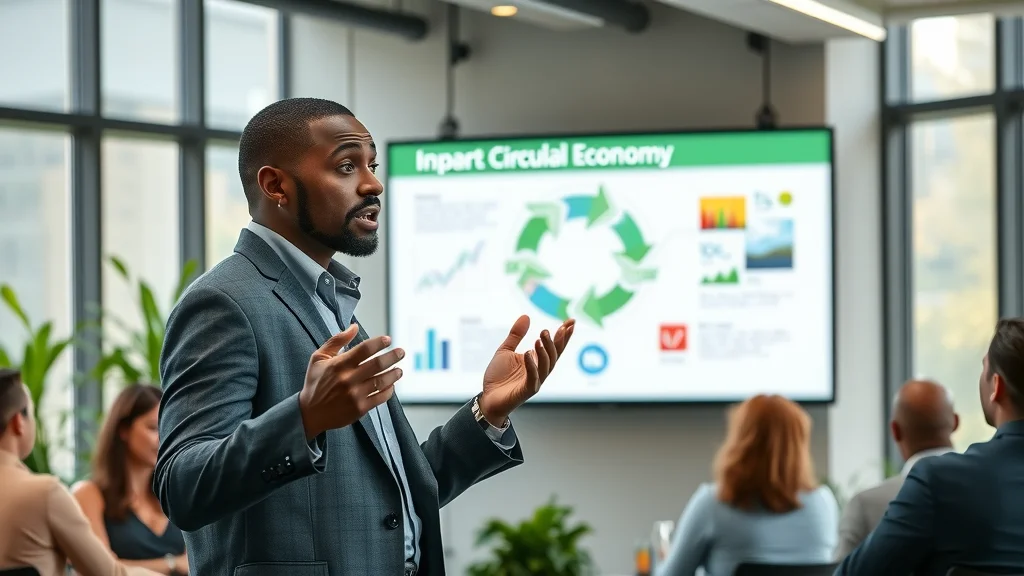
How Emerging Recycle Technologies Align with Sustainability Goals
Emergent recycle technologies are deeply aligned with global sustainability objectives. By enhancing the yield and quality of recycled plastics, reducing reliance on virgin raw materials, and cutting emissions, new tech innovations provide a tangible roadmap for companies to progress beyond compliance and make sustainability goals part of their core business. Real-world deployment—like AI-powered robotic sorting arms in recycling plants or molecular conversion lines for plastics waste—shows that recycle technologies are more than a buzzword: they are the engine powering circular manufacturing and lower-impact consumer product cycles.
Additionally, today’s breakthroughs in recycling technology support global movements like the Ellen MacArthur Foundation’s vision for a plastics revolution. By embedding principles of waste minimization, energy efficiency, and product stewardship, the latest recycling solutions help address urgent global challenges—ensuring not only clean environments but also a just transition for communities traditionally impacted by material waste and landfill expansion. Collectively, these innovations support policies and business practices that finally bring the lofty aim to meet sustainability goals into clear and measurable focus.
The Circular Economy: Closing the Loop with Recycling Technology
The circular economy is more than an environmental slogan—it’s a practical strategy for transforming how we approach waste. Recycling technology stands at the heart of these efforts, ensuring that materials circulate within the economy for as long as possible. Instead of a ‘take-make-dispose’ mentality, the circular economy incentivizes companies and consumers alike to design products for longevity, repair, and recycling, solidifying recycling plants and innovation labs as critical infrastructure for a resource-smart world.
Utilizing both mechanical recycling and molecular recycling, companies can now return used materials of all grades—be it a recycled car bumper, a consumer product package, or even recycled polypropylene—into viable raw materials for the next manufacturing cycle. As a result, landfill dependency shrinks and the vision for a low-impact, high-value material economy becomes achievable. The adoption of advanced AI, automation, and biological systems in recycling plants not only improves operational efficiency, but according to recent industry data, helps communities close the loop faster and more efficiently than ever before.
The Connection Between Circular Economy Initiatives and Recycling Technologies
Circular economy initiatives depend on continuous material flow, reducing waste and maximizing reuse. Recycling technologies—from AI-powered sorters to molecular recycling labs—act as foundational tools in keeping this cycle alive. Every innovation that increases the range of materials recycled, boosts quality, or improves sorting precision bolsters the overall effect of the circular economy. And as regulations evolve or markets for recycled material stabilize, more players are empowered to participate meaningfully at every stage of the recycling process.
-
Key Benefits of a Circular Economy Powered by Innovative Recycling Technology
- Extended material lifespan
- Reduced resource extraction
- Incentivizing sustainable product design
- Advancing environmental stewardship
Disruptive Innovations: What is the New Way of Recycling?
The new way of recycling is defined by disruption and collaboration. Technologies like molecular recycling, AI-powered robotic arms, and enzymatic “biological” recycling are fast turning outdated recycling processes on their head. Modern recycling plants are powered by robotics equipped with computer vision, capable of picking, sorting, and tracking materials at speeds previously unimaginable. Meanwhile, research into breakthrough bio-based and enzymatic systems is set to unlock full recycling of bioplastics and even some food-soiled packaging, a challenge traditional systems have never overcome.
It’s no longer just about “if” we can recycle, but “how” efficiently, accurately, and economically we can do so. These advances drive down costs, scale up production of recycled material, and support higher recycled content mandates in everything from packaging to building materials. They also spur new partnerships between brands, technology startups, and local authorities, creating an innovation ecosystem where best practices are constantly shared and improved. As seen across global best-in-class recycling plants, disruptive technology is essential for transforming both the economics and the perception of recycling—a true game-changer for sustainability goals everywhere.
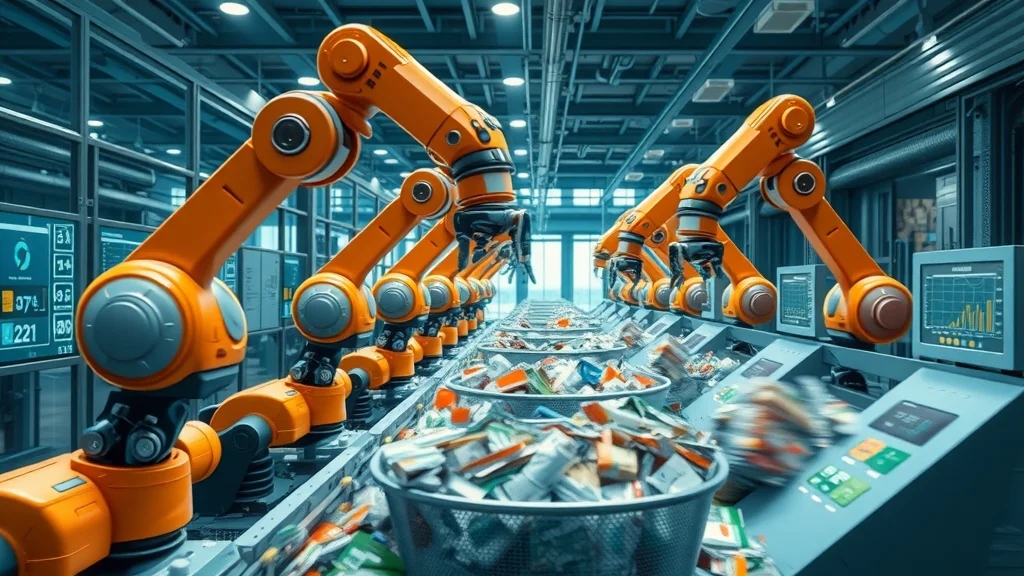
Exploring Technologies Changing the Recycling Landscape
Among the many technologies reshaping recycling, the stars of today include AI-driven optical sorters, highly efficient mechanical recycling setups, and next-gen molecular recycling lines. Each technology overcomes unique challenges: AI sorters identify and separate items that were previously misclassified; advanced mechanical recycling delivers high-purity recycled plastics for premium applications; and molecular recycling handles the most stubborn plastics waste, converting even textile blends and dirty containers into new raw materials.
Innovation doesn’t stop there. Academic and commercial labs are racing to scale enzymatic recycling, using tailored enzymes to break down hard-to-recycle plastics at room temperature. This could significantly reduce energy consumption and emissions in recycling plants. Together, these disruptive advances make possible a future where the circular economy is the norm, supported by technologies that grow smarter and more adaptable every day. Stakeholders across all sectors—industry, government, and consumers—must embrace these advancements to make sustainable material management a global reality.
Are Coca-Cola Bottles Really 100% Recycled?: Debunking Myths
High-profile brands, like Coca-Cola, often claim their bottles are “100% recycled”—but is this true? In reality, most PET soft drink bottles, while increasingly made with recycled plastic, often contain only a portion of fully recycled material due to sourcing, costs, and performance needs
Transparency in recycled content is not just a marketing statement—it’s critical in assessing progress towards true sustainability. To move toward real, measurable circular economy advances, brands and recycling solution providers must standardize reporting, expand access to recycled polypropylene and PET, and invest in improved recycling process technology. Otherwise, myths will thrive and consumer trust may falter, stalling the adoption of recycled plastics even as demand soars.
"Transparency in recycled content is not just a marketing statement—it’s critical in assessing progress towards true sustainability."
Barriers and Opportunities for Recycling Technology Adoption
The journey to full adoption of recycling technology is filled with both challenges and exciting opportunities. Market volatility plagues the value chain for recycled materials, with fluctuating prices sometimes making virgin raw materials cheaper than recycled content. Cross-contamination—when food residue or other waste mixes in with recyclables—creates inefficiencies and degrades the quality of recycled plastics. Workforce shortages and infrastructure limitations slow the spread of advanced recycling plants equipped with modern AI, mechanical, or molecular recycling.
Yet, within each constraint is an opportunity. Training new workers, investing in public education, and supporting next-gen recycling solutions help build a more resilient recycling process. Policy support and clearer economic incentives can catalyze a more robust recycling infrastructure, ensuring billions of pounds of plastics waste are transformed into raw material for tomorrow’s consumer products. Clearer rewards for consumer recycling participation and labeling innovations can also address the public perception gap, elevating recycled material to a true premium status in the eyes of brands and buyers alike.
-
Top Challenges Facing Recycling Technology
- Market volatility in recycled materials
- Cross-contamination issues
- Workforce and infrastructural gaps
- Consumer education deficits
People Also Ask: Key Questions on Recycling Technology
What technology is used in recycling?
Recycling uses several technologies including mechanical recycling (shredding, melting, re-forming plastics and metals), molecular recycling (breaking down plastics to their chemical building blocks), and AI-powered sorting systems (using robotics and machine vision to separate recyclables). Biological recycling, involving enzymes or microbes, is another growing frontier, especially for bioplastics and food waste. These technologies, combined, increase efficiency, reduce environmental impact, and boost the quality of recycled material for use in new products.
What is a recycling tech?
A “recycling tech” refers to any advanced machine, process, or innovation that improves how we turn waste into reusable resources. This could be an AI robot that sorts materials, a chemical process that rebuilds plastics at the molecular level, or even a new type of recycling bin that educates users. The goal of recycling tech is to make recycling easier, more effective, and more scalable, helping us keep more materials—plastics, metals, paper, and more—in the economy and out of landfills.
Are Coca-Cola bottles really 100% recycled?
Some Coca-Cola bottles are made from 100% recycled PET plastic, but this is not always the case everywhere. Depending on the region and supply, some bottles may have only a percentage of recycled content, while others may be closer to fully recycled. The main barriers are supply chain limitations, cost, and quality standards for recycled plastics. It’s vital for companies to clearly label and regularly disclose the recycled content in their packaging to ensure transparency and progress towards sustainability.
What is the new way of recycling?
The new way of recycling combines advanced technologies: molecular recycling (chemically breaking down plastics for reuse), AI-powered sorting robots (increasing sorting speed and accuracy), and biological recycling with specialized microbes or enzymes. These innovations allow us to recycle more types of waste, including difficult-to-process plastics and textiles, and improve recycled material quality. The latest recycling solutions also promote closed-loop systems, creating new products from old materials in a truly circular economy.
FAQs: Recycling Technology
-
How efficient is recycling technology today?
Recycling technology is getting more efficient every year. AI-sorting robots and molecular recycling lines are helping raise recycling rates, but overall efficiency still depends on public participation and high-quality material inputs. -
Do all countries use advanced recycle technologies?
No. While some countries invest heavily in state-of-the-art recycling plants, many rely on basic systems due to cost or infrastructure challenges. Expanding access to recycle technologies is key for global progress. -
Can recycling technology alone achieve our sustainability goals?
No, recycling tech is a critical part of the solution, but we also need better product design, public education, and supportive policies to meet sustainability goals. -
Is molecular recycling scalable?
Molecular recycling has great potential but faces hurdles like cost, energy use, and infrastructure needs. As the technology improves and investment grows, it's expected to scale much more widely.
Key Takeaways: The Future of Recycling Technology

- Recycling technology is rapidly evolving, enabling better resource recovery.
- Achieving sustainability goals requires cross-sector collaboration.
- Innovative recycling technology drives the circular economy forward.
- Consumers, businesses, and policymakers all have a vital role.
Amplifying Impact: Become a Plastic Independent Affiliate and Support Recycling Technology Advancement
If you’re passionate about driving innovation in recycling technology and supporting a sustainable, plastic-independent future, join us as an Amplivo / Corsair Plastic Independent Affiliate. Become part of the movement—help advance recycling solutions, promote education, and make a tangible impact on the global circular economy. Your involvement can accelerate positive change—one recycled product at a time.
Conclusion:
As recycling technology continues to break new ground, the promise of a real circular economy moves from vision to reality. Staying informed, advocating for transparency, and supporting innovation are key steps for everyone who wants to make a meaningful difference.
For those eager to deepen their understanding of how the recycling sector is evolving, it’s worth exploring how industry leaders are adapting to change and driving innovation. Discover how companies like Casella Waste Services are navigating leadership transitions and embracing new technologies to shape the future of waste management in this in-depth look at industry transformation and innovation. By learning from these broader shifts, you’ll gain valuable perspective on the strategic moves and forward-thinking approaches that are setting new standards for sustainability and operational excellence. Let your curiosity lead you to the next level of insight—where technology, leadership, and environmental stewardship converge for a cleaner tomorrow.







Write A Comment