

Hook: Did you know that by 2027, AI data centers are projected to use as much electricity as the entire country of Italy? This surprising forecast signals how integral these advanced facilities have become—and how they’re powering a new era in technology, infrastructure, and innovation.
Unveiling the Rise of AI Data Centers: More Than Just a Buzzword
AI data centers have become the new backbone of the digital economy, growing far beyond industry hype. These facilities are nothing like the traditional data centers of a decade ago. Powered by a relentless demand for AI workloads, machine learning, and generative AI, they are rapidly eclipsing conventional infrastructures in terms of scale, complexity, and impact. Large technology companies and Big Tech are investing billions in constructing purpose-built AI data center projects designed not just to store data, but to process it intelligently at an unprecedented pace. In fact, AI data centers are the engines that enable the most advanced AI models and services, from chatbots to autonomous vehicles, drawing massive power and requiring unique solutions for energy efficiency. For policy makers, investors, and the next wave of digital innovators, understanding this shift isn’t optional—it’s essential.
"By 2027, AI data centers are projected to consume as much electricity as the entire country of Italy does today." — International Energy Agency (IEA)
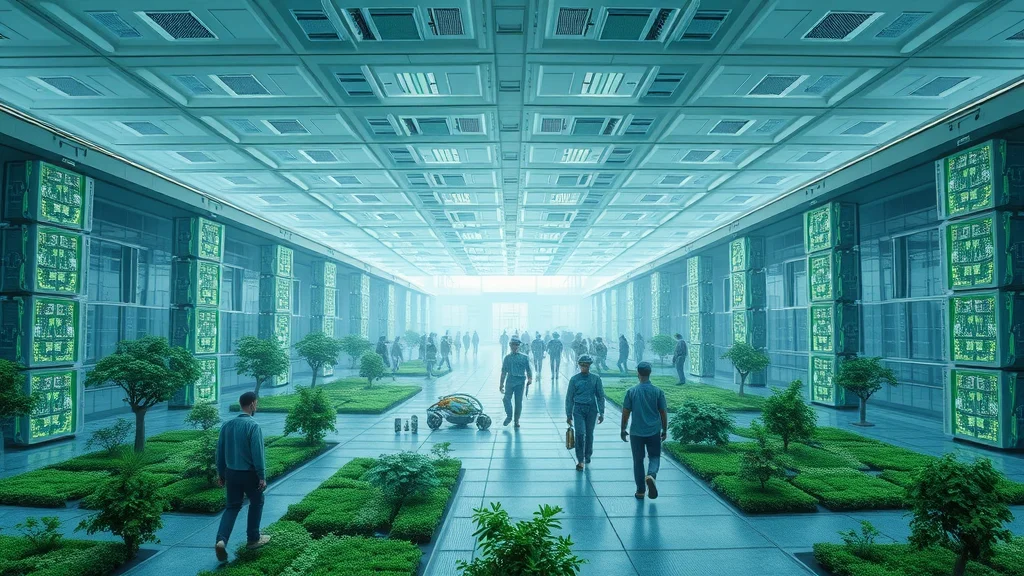
Why AI Data Centers Matter for the Next Tech Epoch
AI data centers matter because they are reshaping everything from social media to healthcare delivery. Unlike ordinary facilities, their design and architecture support AI infrastructure tailored for high-speed data processing, AI model training, and real-time analytics. As organizations demand faster insights and more intelligent automation, generative AI and artificial intelligence workloads place extraordinary demands on the data center’s processing units and energy resources. The rise of AI data centers guarantees a future where intelligence isn’t just stored—it’s created, learned, and applied at global scale. Companies not adapting to this paradigm shift risk being left behind as the entire tech industry gears itself around the speed and sophistication these centers deliver.
As the industry evolves, the sustainability of these power-hungry facilities is becoming a central concern. For a deeper look at how political decisions can impact the growth of renewable energy jobs and the broader clean tech sector, explore the impacts of political actions on offshore wind jobs in America and their ripple effects on the future of sustainable infrastructure.
From Cloud to Cognitive: The Evolution of Data Centers
The journey from basic data center facilities to fully cognitive AI data centers is a remarkable tale of technological evolution. Traditional centers focused largely on storage and basic cloud computing. Today’s AI data centers integrate machine learning, neural networks, and intelligent automation to handle far more complex operations. Artificial intelligence adds layers of capability, allowing these centers to “think” as they manage data. The generational leap is visible in the hardware—advanced GPUs, high-efficiency processors, and liquid cooling systems—reflecting a focus on AI workloads over routine business applications. This transition marks the beginning of the cognitive era, where AI data centers not only power technology companies but redefine industries themselves.
What You'll Learn: Navigating the AI Data Centers Revolution
The distinctions between traditional data centers and AI data centers
How generative AI is reshaping infrastructure requirements
Who is leading the charge in the AI data sector
Key technological advances in artificial intelligence for data management
The sustainability and power consumption challenges faced by modern data centers
Future trends and what they mean for tech and the planet
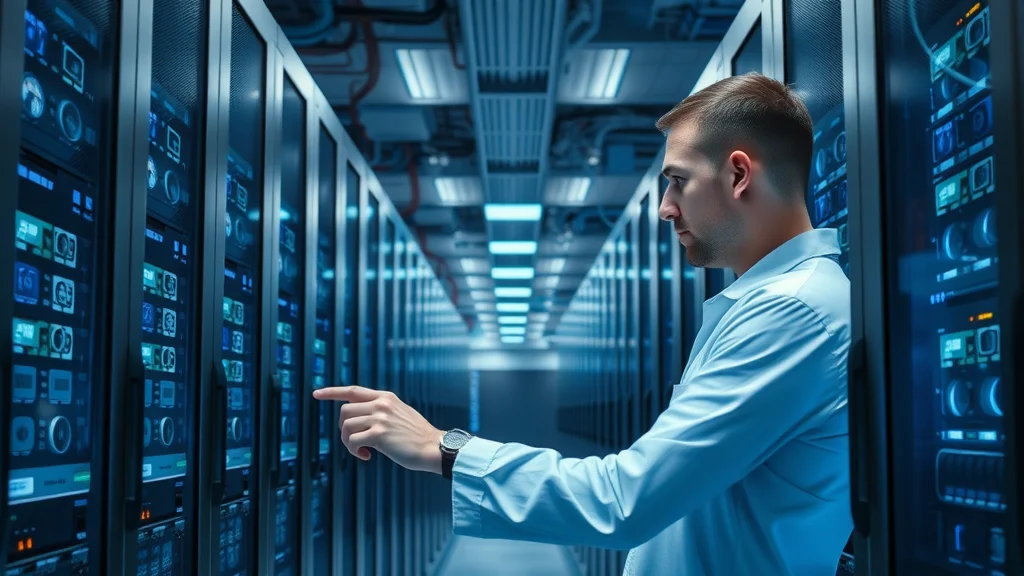
Understanding AI Data Centers: Core Components and Purpose
Defining AI Data Centers in a Rapidly Changing World
At their core, AI data centers are highly specialized facilities designed to support artificial intelligence—from machine learning to advanced AI models—at an industrial scale. Unlike data centers that once primarily offered storage and simple cloud services, AI data centers focus on real-time data processing, inference, and model training. The hallmark of an AI data center is its focus on computational intensity: these sites are equipped with state-of-the-art processing units designed to perform billions of calculations per second. Advanced AI data centers are also the birthplace of generative AI, enabling systems to create new information, images, and even code, pushing the very boundaries of what computers can achieve. These centers are essential for industries and government agencies developing cutting-edge AI systems and are quickly becoming the epicenter of digital progress across the globe.
Core Architecture: How AI Data Centers Differ from Traditional Data Centers
The architectural differences between AI data centers and traditional data centers are fundamental. While older centers rely on standard CPUs suited for storage and web services, AI centers use high-density racks filled with GPUs (graphics processing units) and highly advanced cooling systems. Every design choice—from the power source to cooling technology—reflects the need to sustain the high energy output and computational demand unique to AI workloads. For example, an AI data center might dedicate entire infrastructure sections to machine learning or generative AI operations, whereas traditional centers optimize capacity for enterprise IT and web hosting. Sophisticated AI models need enormous bandwidth and precision, requiring robust network fabrics and ultra-fast connections. This focus on next-generation technology allows the AI data center to handle the elevated expectations of tomorrow’s digital economy—and explains why their adoption continues to accelerate.
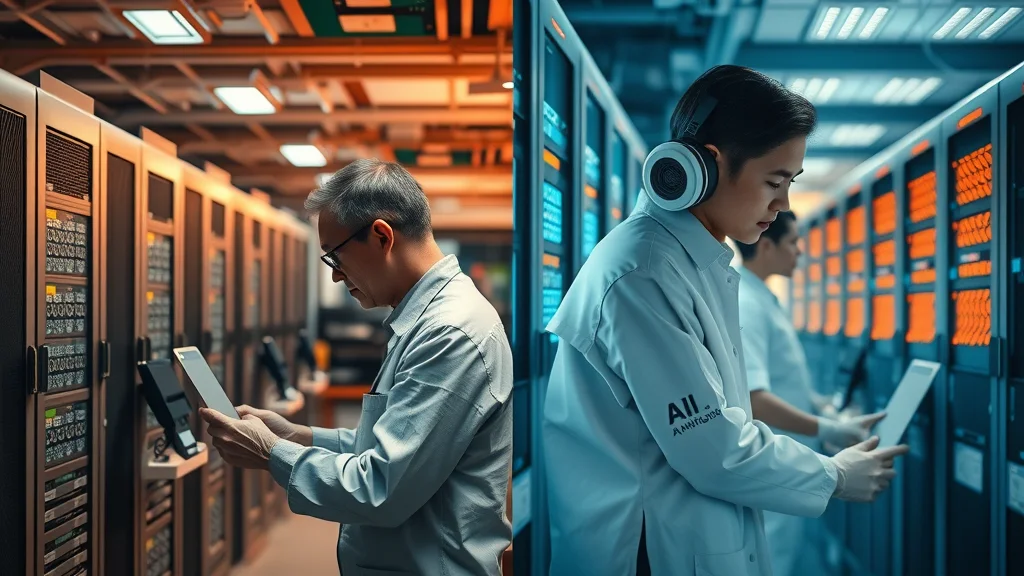
The Role of Generative AI and Artificial Intelligence Workloads
Generative AI represents a transformative leap in how data is created, processed, and used. For AI data centers, this means handling more than just storage—they must enable rapid, always-on computation to process unstructured data from chatbots, vision models, and creative AI applications. Artificial intelligence workloads typically require real-time access to immense data volumes and extremely high throughput, making ai data center hardware (GPUs, custom accelerators, and high-speed memory) critical to performance. The relentless pace of innovation in generative AI technology is both a challenge and opportunity for data centers. As more applications demand unique AI architectures, tech companies must constantly re-engineer their center projects for scalability, flexibility, and sustainable power consumption, ensuring these facilities don’t just handle AI workloads, but push the boundaries of what’s possible in data-driven innovation.
Comparison Table: Traditional Data Centers vs. AI Data Centers |
||
Feature |
Traditional Data Centers |
AI Data Centers |
|---|---|---|
Primary Purpose |
Storage & web hosting |
AI workloads, model training, generative AI |
Key Hardware |
CPUs, hard drives |
GPUs, TPUs, custom chips |
Cooling System |
Standard air cooling |
Liquid/Immersive cooling |
Energy Demand |
Moderate |
High to very high |
Networking |
Standard |
High-bandwidth, low latency |
Scalability |
Optimized for predictability |
Optimized for rapid expansion |
The Unseen Drivers Behind AI Data Centers
Generative AI: Redefining Data Handling and Processing
The meteoric rise of generative AI has fundamentally changed the infrastructure landscape. Instead of passively absorbing data, today’s AI data centers analyze, interpret, and even create new content from that information—making them engines of creativity and business transformation. The processing requirements for these AI models are immense: every second, millions of data points are passed through intricate neural network layers, placing massive demands on the facility’s power supply and cooling abilities. Major tech companies, from NVIDIA to Amazon Web Services, are constantly iterating their center projects to stay competitive in this new era. The complexity of the work being done in these facilities—training models, supporting advanced AI, powering real-time data analytics—sets AI data centers apart and fuels the need for greater power, more efficient architecture, and intelligent automation.
"It’s not just about storage anymore — data centers driven by AI are about intelligence at scale." — Industry Expert
Powering the Future: Energy Consumption and Sustainability Issues
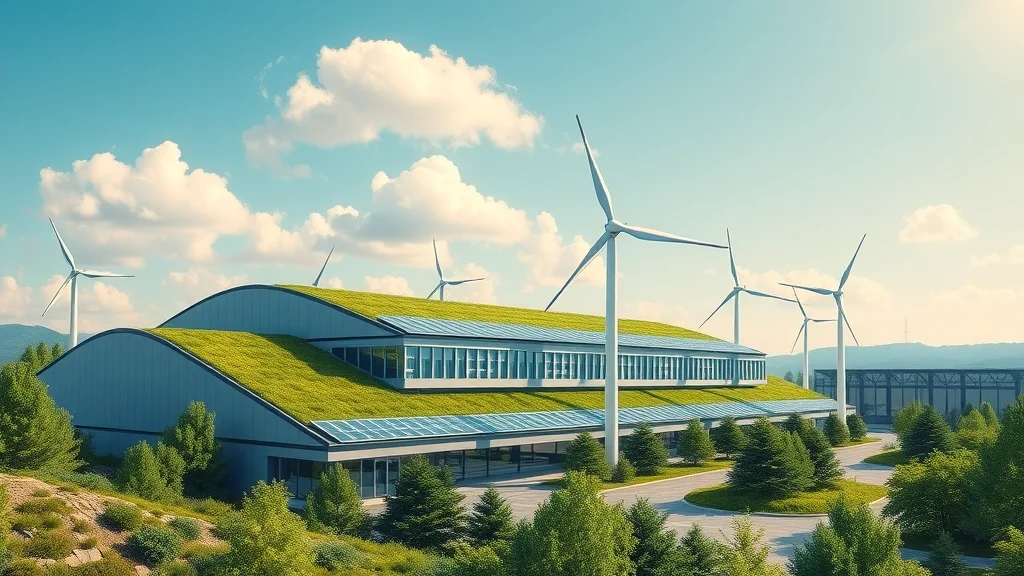
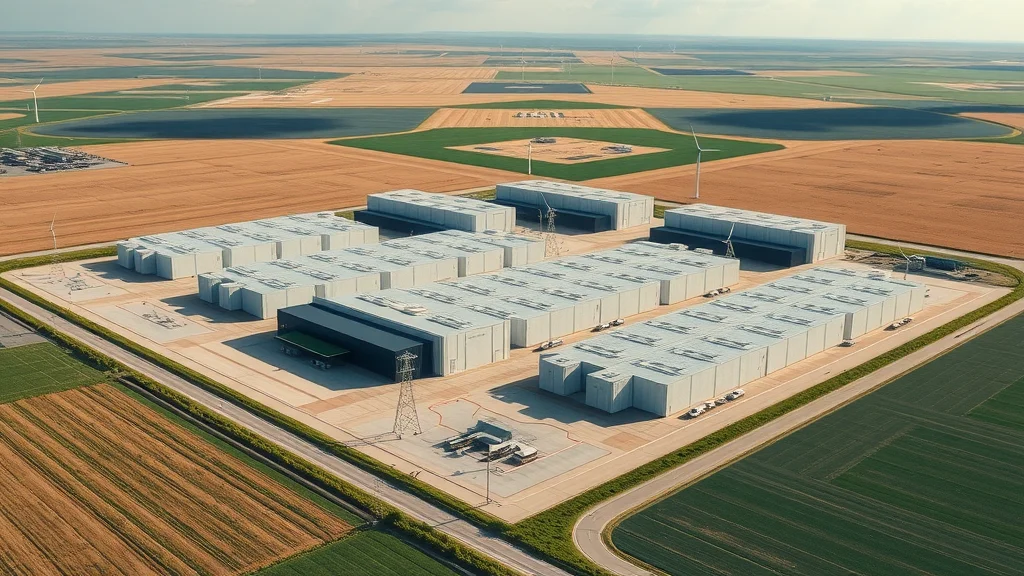
The evolution of AI data centers has a power side-effect: enormous energy demand and heightened sustainability risks. Modern AI infrastructure requires reliable, high-capacity power sources to handle the relentless churn of AI workloads, leading to unprecedented power consumption levels world-wide. By some estimates, global AI data center power demand could soon rival that of mid-sized countries. This poses significant challenges not just for center operators and technology companies, but for entire local communities and economies. Leading companies now invest heavily in renewable energy—a crucial step since governments and consumers increasingly scrutinize the environmental footprint of these digital powerhouses. The biggest question for investors and policy makers is whether the latest advancements in energy efficiency and green technology will be enough to offset the sector’s explosive growth, or whether unchecked expansion could threaten broader sustainability goals.
Who Commands the AI Data Centers Landscape?
Who Are the Big 4 HyperScalers?
In the race for AI data center dominance, four giants tower over the rest: Amazon, Microsoft, Google, and Meta. Known as the “Big 4 Hyperscalers,” these North American tech companies operate the largest, most advanced data centers on the planet, powering everything from social networks to major AI models and enterprise cloud offerings. Amazon Web Services, Microsoft Azure, Google Cloud, and Meta Platforms each oversee vast networks optimized for rapid expansion, boasting specialized hardware and advanced cooling techniques designed for AI workloads. Their infrastructure prowess allows them to support nearly every industry’s digital transformation, making them critical players in the modern knowledge economy. The outsized influence—and responsibility—of these tech giants places them at the center of the AI data discussion worldwide.
"The Big 4 Hyperscalers — Amazon, Microsoft, Google, and Meta — operate the vast majority of global AI data centers."

Leading Innovators: Other Major Players in AI Data Centers
While the Big 4 set the pace, several other technology companies are making serious strides in the AI data center space. Companies like NVIDIA, IBM, Oracle, and even Tesla have launched high-profile center projects, contributing key hardware (GPUs, processing units), software, and know-how to the sector. NVIDIA’s leadership in AI model acceleration, for example, is critical to the sector’s capability gains, while IBM’s expertise in enterprise AI solutions ensures new business applications are rapidly adopted. Oracle offers robust AI-enabled databases, and Tesla is developing industry-disrupting automation and AI infrastructure. Together, these companies provide competition and innovation, driving sustainability, security, and new levels of efficiency across the industry.
NVIDIA
IBM
Oracle
Tesla
The Exponential Growth: How Many AI Data Centers Exist in the USA?
Mapping the AI Data Centers Footprint Across America
The US leads the world in the development and deployment of AI data centers. Spanning coast to coast, these next-gen facilities are concentrated in key states and metropolitan areas, close to fiber/infrastructure hubs and renewable energy sources. Cities like Ashburn, Dallas, and Phoenix have emerged as AI data center hotbeds, fueled by tax breaks, access to skilled labor, and proximity to internet backbones. The number of ai data centers in America has skyrocketed in recent years, with both hyperscale operators and specialty companies expanding at breakneck speed. Collectively, the US hosts several hundred AI data centers, from purpose-built megastructures supporting generative AI to university research hubs advancing next-gen models. This concentration of resources keeps the US at the forefront of global AI development and ensures American companies maintain a competitive edge on the world stage.
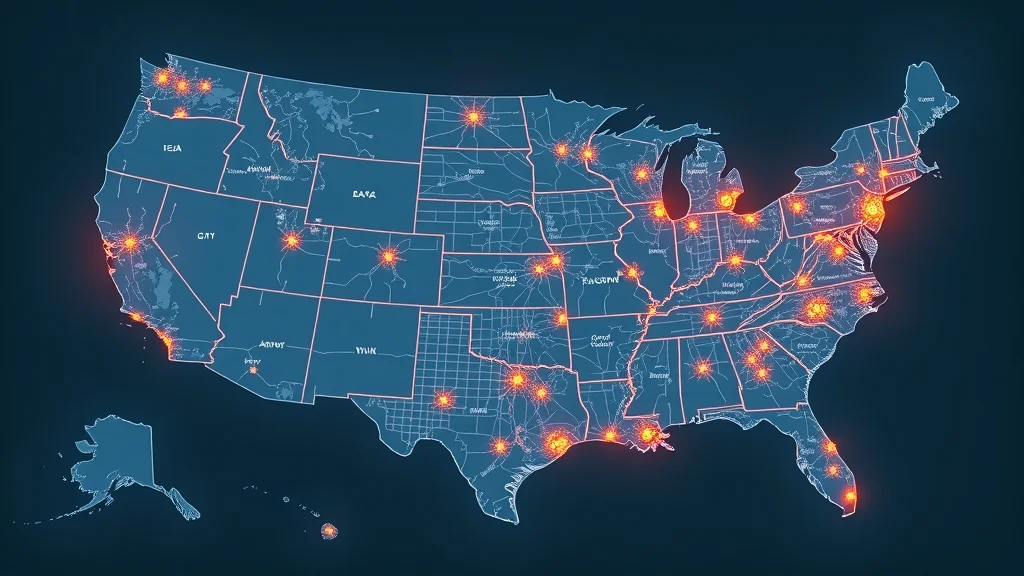
USA AI Data Centers by State (2024 Estimates) |
||
State |
# of AI Data Centers |
Notable Cities |
|---|---|---|
Virginia |
125+ |
Ashburn, Reston |
Texas |
75+ |
Dallas, Austin |
California |
65+ |
Silicon Valley, Los Angeles |
Arizona |
30+ |
Phoenix |
Illinois |
20+ |
Chicago |
Others (combined) |
100+ |
National total: ~400 |
Why U.S.-Based AI Data Centers Dominate the Conversation
The United States dominates the global AI data center conversation for several reasons: access to capital and technical expertise, business-friendly regulations, and the presence of the Big 4 Hyperscalers and other tech leaders. U. S. -based centers benefit from direct connections to the densest parts of the internet, abundant renewable energy sources, and skilled workforces. These advantages translate into faster innovation, more robust AI model development, and industry leadership across multiple sectors. As other countries scramble to build comparable infrastructure, the US remains a key proving ground—and battleground—for the world’s most powerful AI technology companies and center projects.
People Also Ask About AI Data Centers
What are AI data centers?
Answer:
AI data centers are specialized facilities designed to support and accelerate artificial intelligence, including generative AI and machine learning workloads. Unlike traditional data centers mainly focused on storage and web applications, AI data centers house powerful GPUs and advanced processing units, optimized to train, infer, and process huge amounts of data rapidly and intelligently. This makes them essential for driving the next generation of technology, from smart cities to autonomous vehicles.
How many AI data centers are there in the USA?
Answer:
There are approximately 400 AI data centers operating in the United States as of 2024. The majority are concentrated in tech-forward states like Virginia, Texas, California, and Arizona. This rapid growth reflects high demand for cutting-edge AI workloads and the United States’ leadership in innovation, infrastructure, and investment in next-generation technologies.
Who are the Big 4 HyperScalers?
Answer:
The Big 4 Hyperscalers refer to Amazon (Amazon Web Services), Microsoft (Azure), Google (Google Cloud Platform), and Meta (Facebook’s parent company). These companies own and operate the largest, most technologically advanced AI data centers worldwide, setting industry standards for scale, security, and innovation in artificial intelligence infrastructure.
Who are the major players in AI data centers?
Answer:
Beyond the Big 4, major players in the AI data center sector include NVIDIA, IBM, Oracle, and Tesla. Each brings unique strengths: NVIDIA leads in chip and acceleration technology, IBM in enterprise intelligence and automation, Oracle in robust databases, and Tesla in AI-powered infrastructure for mobility and automation.
AI Data Centers vs Traditional Data Centers: Why the Shift Matters
AI Data Centers: Purpose-Built for AI Workloads
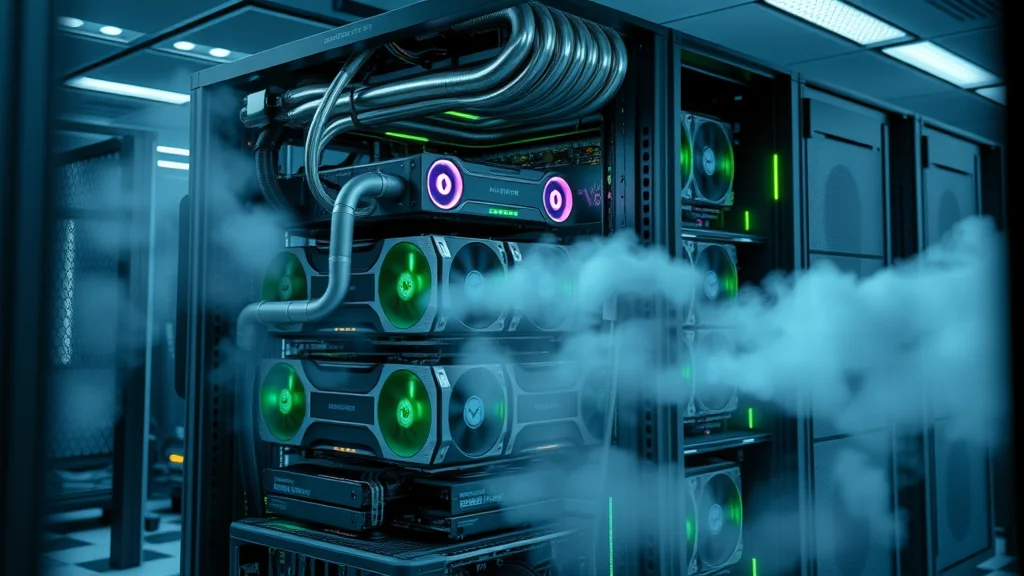
AI data centers are engineered specifically for the demands of modern AI workloads, unlike traditional data centers that handle common enterprise and web applications. Their backbone consists of dense racks of GPUs, custom AI accelerators, and high-capacity networking to sustain advanced artificial intelligence processes and machine learning tasks. Purpose-built liquid and immersion cooling systems are essential to maintain optimal temperatures given the extreme power and heat generated by continuous AI workloads. In effect, every inch of an AI data center’s design—power, cooling, networking—reflects the singular goal of maximizing performance for AI-driven applications, making them indispensable to the next wave of digital innovation.
Traditional Data Centers: Optimized for Web and Enterprise
Traditional data centers, by contrast, are tailored to support reliable, steady workloads such as web hosting, databases, and email services for business clients. Their design relies more on CPUs and disk arrays, with infrastructure tuned for uptime rather than high-speed, low-latency AI processing. Cooling is typically handled by air-based systems, enough for moderate power consumption loads but unable to keep pace with the thermal demands of high-density AI hardware. For most everyday business needs, these facilities provide a robust foundation—but their limited flexibility and scalability make them increasingly ill-suited for cutting-edge generative AI and machine learning applications rapidly gaining traction in today’s tech landscape.
Key Differences in Scalability, Power, and Cooling
The gulf between AI data centers and traditional data centers continues to widen. AI data centers must scale rapidly, handling both planned and unpredictable spikes in demand as new AI models and applications are launched. Their cooling requirements are vastly higher—often leveraging liquid and immersion cooling tech that is still rare in traditional facilities. Most importantly, AI data centers operate at the frontier of sustainability and energy efficiency, as the sector grapples with both massive power demand and global environmental concerns. For technology companies, governments, and local communities alike, these differences signal a future where the power to process and interpret AI data will be only as effective as the infrastructure that supports it.
"AI data centers could be the backbone of tomorrow’s knowledge economy — or a sustainability crisis waiting to happen." — Opinion
Sustainability, Efficiency & The Green Revolution in AI Data Centers
Can Artificial Intelligence Make Data Centers Greener?
Sustainability is at the center of the AI data center debate. As these facilities continue to grow in number and scale, the environmental impact—from raw power consumption to heat waste—is under increasing scrutiny. Fortunately, artificial intelligence itself offers a solution: AI-driven power management, predictive cooling systems, and dynamic resource allocation promise smarter, greener operations. Data center companies are investing in green building materials, renewable energy sources, and AI-based monitoring to reduce their carbon footprints. As public and policy pressure mounts, only those centers that embrace these intelligent, eco-friendly approaches will lead the green revolution now reshaping the sector.
Next-Gen Cooling Techniques and Power Management
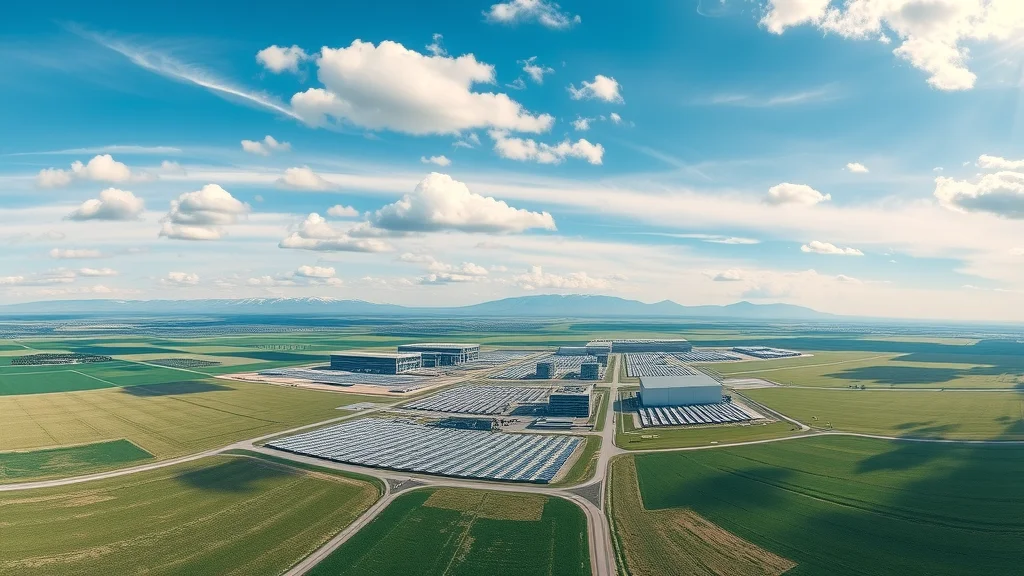
Next-generation cooling and power management are essential for reconciling the explosive growth of AI data centers with urgent sustainability goals. Liquid-induced or immersion cooling dramatically increases efficiency and lowers operational costs, even as AI workloads continue to scale. Smart algorithms now manage everything from server power usage to resource scheduling, predicting peaks and automating settings for optimal performance. Companies are actively exploring on-site renewable energy integration—solar, wind, geothermal—to move beyond just minimizing waste, but also creating data centers that truly give back to the grid. These advancements show a clear path forward: with the right mix of technology and innovation, AI data centers can remain the world’s digital engines without sacrificing the future of the planet.
Summary Table: AI Data Centers’ Carbon Footprint and Solutions |
||
Challenge |
Impact |
Solution |
|---|---|---|
Massive power consumption |
Increased grid strain |
Switch to renewables, energy storage |
High heat generation |
Local water and energy usage rises |
Liquid and AI-driven cooling systems |
Emissions |
Higher carbon footprint |
Green building design, smart management |
Opinion: Opportunities and Perils in the Age of AI Data Centers
Seizing the Potential: New Frontiers Opened by AI Data Centers
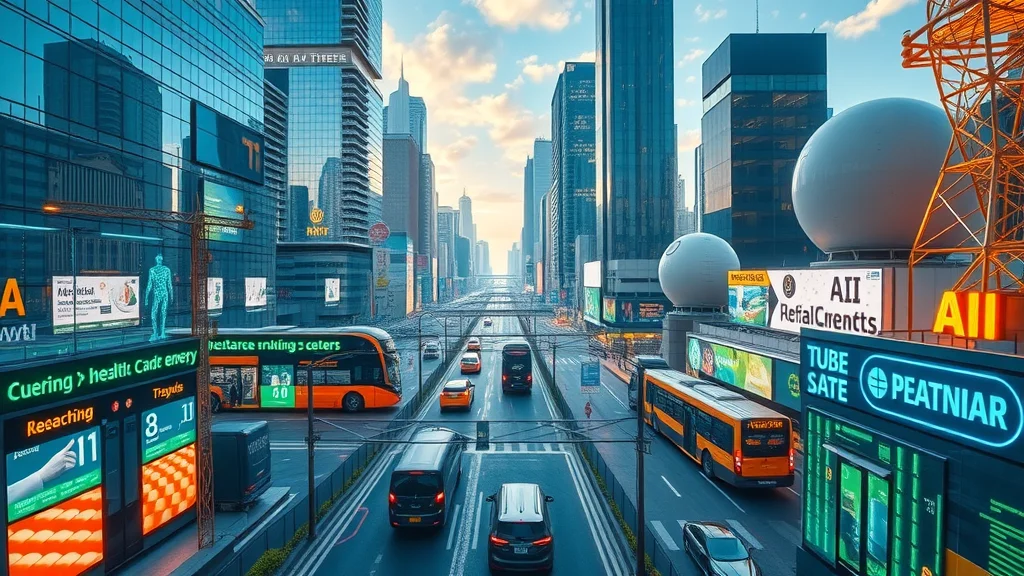
AI data centers are enabling society’s most ambitious projects, from accelerating new drug discovery in medicine, to supercharging intelligent automation across industries, to powering next-generation smart cities. The ability to process, interpret, and act upon massive streams of AI data drives new economic opportunities, strengthens national security, and reshapes how we live and work. For forward-thinking technology companies and governments, investing in AI data centers is no longer optional—it’s essential to remain relevant in the fast-evolving digital landscape.
Accelerating discovery in medicine and science
Supporting intelligent automation in industry
Enabling next-generation smart cities
Risks & Challenges: Resource Drain, Centralization, and Ethics
Despite their promise, AI data centers present significant risks and challenges. The sector’s massive power demand can stress local resources, disrupt communities, and even trigger sustainability crises if unchecked. Centralized control by a handful of big tech and center companies may also limit competition and raise concerns about data privacy and concentration of digital power. Ethical debates surface around the social and environmental costs, especially in regions where center projects outpace regulation or responsible planning. As generative AI and advanced AI models become ever more influential, careful policy and public oversight are urgently needed to ensure the benefits of AI data centers are shared broadly—without irreversible harm to people or planet.
"If we let unchecked growth continue, the promise of AI data centers may be overshadowed by their social and environmental costs."
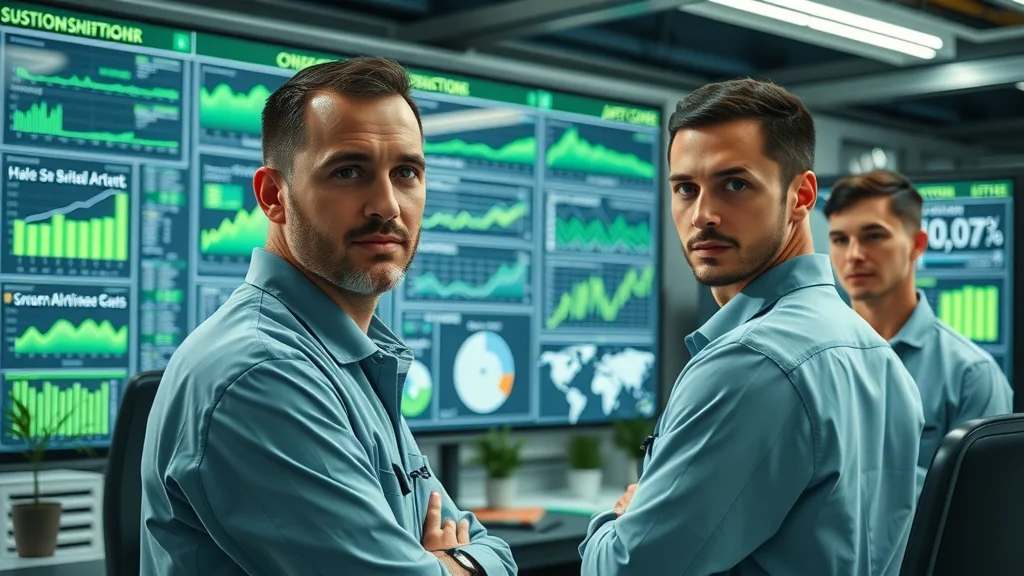
A dynamic walkthrough of a modern AI data center, highlighting server racks, cooling technology, engineers at work, and real-time AI sustainability analytics.
Future Outlook: How AI Data Centers Will Reshape the Digital World
Predictions for the Next Decade
Over the next ten years, AI data centers will become even more essential—expanding not just in scale and complexity, but in their societal influence. We’ll see hyper-efficient, AI-managed facilities that run largely on renewables. New AI models will reduce training costs and improve automation far beyond current capabilities. As web services, smart infrastructure, and even government agencies rely on AI data centers to handle their most complex challenges, demand will push the sector toward new heights of innovation and responsibility.
What Would a Post-AI Data Center World Look Like?
Imagine a future where AI data is processed closer to endpoints and embedded in everyday infrastructure—cars, homes, and wearable devices. In this post-AI data center world, intelligence becomes distributed, energy use drops, and privacy is built-in by design. While today’s facilities dominate the horizon, tomorrow’s winners will be those who reimagine foundational digital infrastructure for a smarter, greener, more inclusive world.
FAQs: Key Questions About AI Data Centers
What security challenges do AI data centers face? AI data centers must protect immense, valuable datasets—making them attractive targets for cybercriminals. Security best practices include hardware isolation, robust encryption, and AI-driven intrusion detection, ensuring only authorized use and access.
How are generative AI advancements influencing data center design? As generative AI models require more computational power and specialized hardware (like dense GPU clusters and faster networking), data center operators are redesigning layouts, energy management, and cooling strategies to support constant algorithmic innovation.
What role do renewable energy sources play in powering modern AI data centers? Increasingly, AI data centers run on renewable energy such as solar and wind. Operators are investing in on-site generation and energy storage to reduce carbon footprints and meet corporate sustainability goals, keeping AI’s rapid progress in harmony with environmental stewardship.
Key Takeaways for Tech Leaders and Policy Makers
AI data centers are rapidly outpacing traditional data centers in scale and complexity.
Generative AI and artificial intelligence workloads drive unique architecture and sustainability challenges.
Understanding the major players and trends is critical for informed tech investment and policy.
Final Thoughts: Why AI Data Centers Demand Our Attention Now
In a rapidly changing digital world, AI data centers are the foundation for future breakthroughs—and demand every industry leader’s attention now.
As you consider the transformative impact of AI data centers on technology and sustainability, it’s clear that the future of digital infrastructure is deeply intertwined with broader energy and policy trends. If you’re interested in how political actions and regulatory shifts can shape the trajectory of clean energy jobs and the evolution of tech ecosystems, take a moment to review the analysis on why political actions threaten offshore wind jobs in America. This perspective offers valuable context for understanding the interconnected challenges and opportunities facing both AI-driven innovation and the renewable energy sector—empowering you to make more informed decisions as the landscape continues to evolve.
Explore Sustainable Innovations: Check Out the Reach Solar Review
Looking to learn more about the renewable energy solutions transforming tech infrastructure? Check out the Reach Solar Review.
Sources
DataCenter Knowledge – https://www.datacenterknowledge.com/artificial-intelligence/
Reuters – https://www.reuters.com/technology/generative-ai-data-center-boom-2024-03-20/
Goldman Sachs – https://www.goldmansachs.com/insights/pages/generative-ai-and-data-centers.html
Ready to Make a Change? Check Out the Reach Solar Review: https://reachsolar.com/seamandan/#about







Write A Comment