

Did you know that by 2030, AI-driven systems could double the energy load on global power grids? It’s an eye-opening prediction and a clear signal that artificial intelligence (AI) isn’t just transforming our tech—it’s deeply impacting the world’s electricity infrastructure. From data centers humming across cities to smart grids balancing supply and demand, the connection between AI and the electricity grid is reshaping everything about how we power our lives. In this article, we’ll dive deep into how generative AI, energy consumption, and smart grid management are converging—and what it all means for our future.
A Shocking Statistic: How AI and Electricity Grid Interactions Are Shaping the Future
As AI technologies become more advanced and widespread, the interplay between AI and electricity grids intensifies, bringing both opportunity and risk to our modern world. Today’s AI-powered systems—from language models to image processors—demand a massive amount of computing power, which isn’t possible without equally robust and scalable energy infrastructure. Modern data centers alone account for an estimated 1% of the world’s total electricity consumption. This figure is set to rise dramatically as the hunger for generative AI models accelerates. With each breakthrough in deep learning or autonomous systems, the burden on our power grid grows, forcing grid operators and engineers to rethink how electricity flows from power plants to the devices in our hands.
The relationship between artificial intelligence and the electricity grid is about more than just energy use. AI data centers are cropping up worldwide, spurring an arms race for energy-efficient processors and smarter supply-demand balancing. Today’s power grid operators are now using AI tools to optimize the speed, reliability, and safety of energy distribution. But as we chase faster and more capable AI systems, we must address the environmental impact and ensure electricity management keeps up with digital innovation. The future of energy and technology rests on finding this delicate balance.
As the energy landscape evolves, it's important to recognize that the intersection of technology and policy can have far-reaching effects on the workforce and infrastructure. For example, shifts in political actions can directly influence the growth and stability of renewable energy sectors, as seen in the impacts of government decisions on offshore wind jobs in America. Understanding these dynamics helps contextualize the broader implications of AI-driven energy demand.

Unpacking the Numbers: The Real Impact of AI on Power Grid Infrastructure
The numbers are astounding. According to research, just one large AI model can consume as much electricity as 100 homes over a year during its training phase. Add up the continual retraining and daily operations of language models, recommendation engines, and autonomous system controllers, and you have thousands of gigawatt-hours each year funneling from our power grid into server racks. The power demand from AI data centers is so great that utilities are now working directly with tech giants to secure energy contracts spanning decades. Massive data requirements—the ones that fuel AI’s pattern recognition—translate directly into processing units drawing power, generating heat, and challenging grid reliability.
“By 2030, AI-driven systems could double the energy load on global power grids—forcing a new era of electricity management. ”
As AI data centers proliferate, there is growing concern about how fast the grid can adapt. The electricity demand curve, once flat with predictable peaks, is now being re-drawn by digital innovation. Grid operators, long used to swings in supply from traditional power plants, now have to plan for highly variable, always-on AI workloads that don’t care about off-peak or peak hours. This new load profile challenges the old norms of power system planning, compelling a shift toward flexible, responsive, and—crucially—sustainable grid management.
What You’ll Learn About AI and the Electricity Grid
- How generative AI is altering the energy landscape
- The relationship between data centers, AI models, and power grid reliability
- Environmental impacts of artificial intelligence usage
- The role of AI data and AI data centers in energy consumption
- Opportunities and risks of implementing AI in electricity management
The Basics: Understanding the Power Grid and Generative AI
What Is a Power Grid and Why Does Generative AI Matter?
The power grid is a complex network of infrastructure designed to generate, transmit, and distribute electricity across vast regions. Power plants produce electricity that flows through substations and transmission lines, ultimately lighting our homes, powering our industries, and fueling our digital world. In this system, reliability is everything—outages and blackouts can paralyze cities or derail critical services.
Enter generative AI: this new breed of artificial intelligence creates text, images, and even code from vast stores of training data. Its hunger for computing muscle means it relies entirely on uninterrupted, scalable electricity. Every forward leap in AI models comes with an energy price tag—one paid by our power grid. The convergence of these worlds marks a pivotal turn: the more tremendous the advances in AI, the more crucial our grid’s reliability and capacity become.

How Generative AI Relies on the Power Grid for Operation
Generative AI’s success is inseparable from power grid stability. Running large language models, for instance, isn’t just about clever software. It requires powerful hardware—thousands of processing units in vast data centers—and all of that hardware must be steadily powered around the clock. AI systems thrive on the predictability and resilience provided by reliable electricity supply. Without a strong power grid, even the most advanced models, from chatbots to predictive engines, would grind to a halt.
Moreover, every time a user asks an AI-powered assistant a question, a chain reaction is set off: data travels to the cloud, where servers process inputs, consult language models, and spit back answers—all while drawing significant power. As such, power grid interruptions don’t just inconvenience users; they can cripple entire digital ecosystems built on generative AI. That’s why grid modernization—often using AI itself—now goes hand in hand with the AI revolution, with each side depending deeply on the other.
AI and Electricity Grid: The Role of Data Centers and AI Models
The Rise of AI Data Centers: Demands on Power Infrastructure
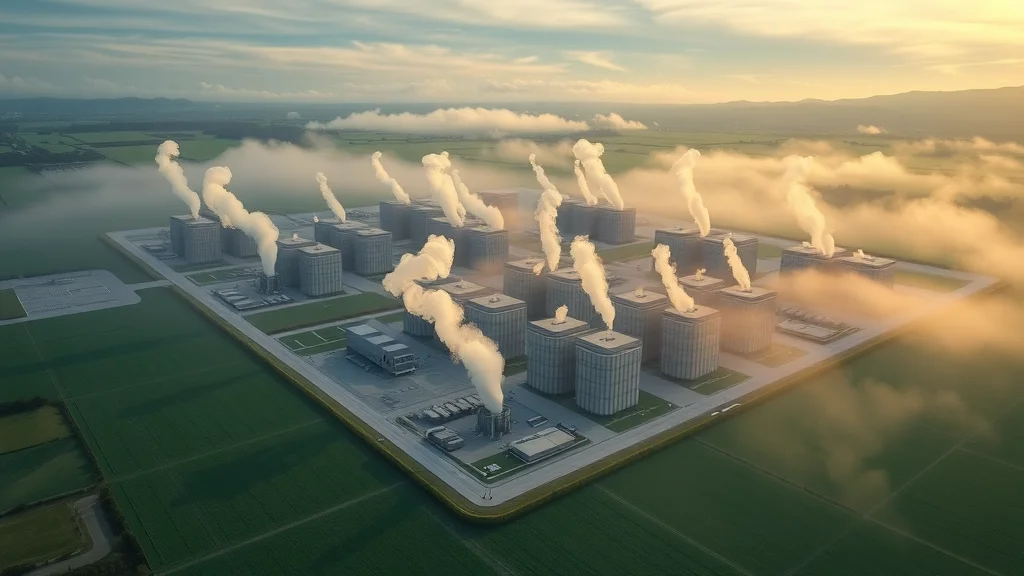
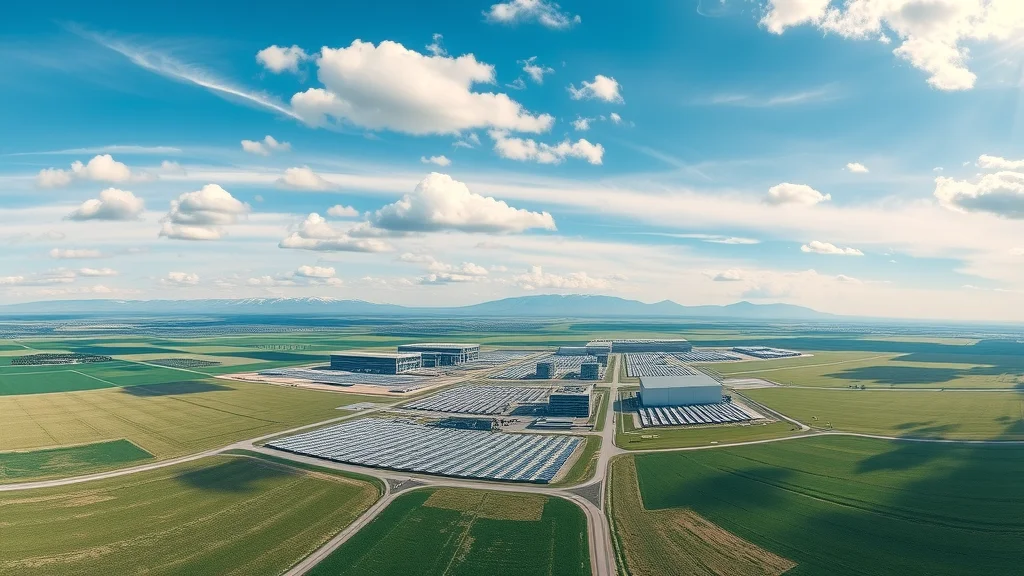
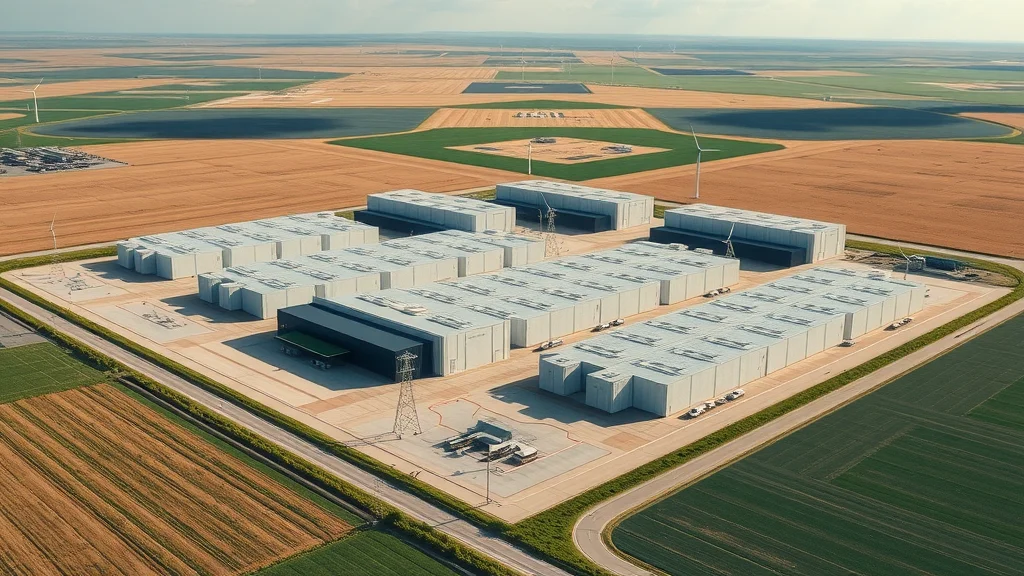
In the age of AI, data centers have become the new power plants for digital life. Unlike traditional data centers that handled fewer computational loads, AI data centers are designed with specialized hardware to manage the intense processing needs of generative AI models. Their footprint is everywhere—from city outskirts to the heart of industrial zones—and their appetite for energy is insatiable. The increased adoption of AI across industries has led to data centers that can occupy the same energy demand as entire towns, linking the fates of digital progress and grid management ever more tightly.
This rise creates new challenges for grid operators. Where once a single factory’s energy use was the greatest concern, now just one AI data center can set regional energy policies and reshape distribution strategies. These facilities run continuous calculations, process massive AI data loads, and require constant cooling—all of which stress existing electrical infrastructure. Utilities and governments are now reassessing zoning, infrastructure, and renewable energy goals, ensuring that the grid doesn’t buckle under this unprecedented digital pressure.

How AI Models Drive Increased Energy Consumption
The architecture of modern AI models demands a dramatic leap in energy consumption. Training a large language model or generative AI model requires enormous computational effort, sometimes using as much electricity as a small power plant produces in a day. This energy isn’t just used in the initial training phase; ongoing fine-tuning, inference, and deployment keep energy meters running at full speed. As a result, AI data centers are quickly becoming one of the primary drivers of new electricity demand in developed regions.
Comparisons with legacy data centers highlight the jump: AI-powered facilities run more densely packed processing units and rely on advanced cooling systems to dissipate the significant heat output. Tech companies now find themselves in a race to build more efficient systems to offset the rising power needs of machine learning, computer vision, and natural language processing. Even as efficiency per calculation improves, the sheer scale of AI adoption means total energy use keeps rising.
| Traditional Data Centers | AI Data Centers | |
|---|---|---|
| Average Power Density (kW/rack) | 5–10 | 20–50+ |
| Cooling Requirements | Standard HVAC | Advanced liquid or immersion cooling |
| Primary Workloads | General computing, storage | AI model training, inference, large-scale machine learning |
| Annual Energy Consumption (per facility) | 10–30 GWh | 50–100+ GWh |
Environmental Impact: AI, Electricity Grid, and Climate Change
Measuring the Carbon Footprint of Artificial Intelligence
AI’s enormous electrical appetite raises urgent questions about its environmental footprint. The global expansion of AI data centers means more energy is consumed daily—much of it still generated from non-renewable sources. The more artificial intelligence powers digital interactions, the larger its slice of global greenhouse gas emissions. For every watt used by a GPU to train a language model, there is a corresponding increase in the power plant’s workload, which can mean burning fossil fuels if the grid is not fully renewable.
Knowing this, both tech titans and green advocates are sounding the alarm. While AI offers powerful tools for efficiency and environmental management, unchecked growth in electricity consumption poses a direct threat to global climate goals. AI companies are responding by investing in green energy purchasing, optimizing their AI models for lower energy use, and reporting environmental impacts. But with predictions showing data center and AI model energy demands doubling or tripling in the next decade, only coordinated action with grid operators and policy agencies can keep carbon footprints in check.
Climate Change Implications for the Expanding Role of AI
The growing relationship between AI and the electricity grid has significant implications for climate change. As power grids work to keep up with surging demand, their generation mix becomes crucial: grids powered largely by fossil fuels translate AI innovation directly into higher CO2 emissions. Conversely, AI can help optimize renewable generation—like wind and solar—making every clean kilowatt count. The real test will be whether we can scale AI systems in ways that cut more emissions than they create.
Regulators and tech leaders are increasingly emphasizing responsible innovation. Strategies like co-locating AI data centers with renewable energy sources, investing in grid flexibility, and developing smarter algorithms aren’t just technical challenges—they’re ethical imperatives. As the climate crisis deepens, there’s a clear call to ensure that the expansion of artificial intelligence aligns with the need for a cleaner, more resilient planetary power system.
AI Optimization: Making the Power Grid Smarter
Using AI Models for Grid Efficiency and Reliability
Ironically, some of the burdens AI places on the electricity grid can be relieved by using AI itself. AI models now help grid operators make decisions rapidly as they manage complex, real-time energy flows. By analyzing AI data from smart sensors and meters, these models detect anomalies, balance loads, and forecast surges—making grids more agile and robust. Utilities worldwide are deploying AI tools for predictive maintenance, demand response, outage detection, and even integrating distributed energy resources like rooftop solar.
The transformation goes beyond just better analytics. AI-powered optimization enables more efficient dispatch of generation resources and tighter supply-demand balancing, reducing wasted power and unnecessary carbon emissions. With advanced AI, even legacy grids can evolve into smart, adaptive networks, which bodes well for both reliability and sustainability.
Case Study: AI-Driven Power Grid Technologies
Consider a major European city recently plagued by rolling blackouts. By deploying AI-enabled distribution systems, the local utility reduced outage times by 60% and improved the integration of renewable energy into the grid. AI continuously monitored grid status, triggered predictive maintenance, and orchestrated real-time load-shifting, keeping critical facilities like hospitals and public transportation running even during energy spikes.
Similar success stories echo across Asia and North America, demonstrating how AI models help mitigate risks from both growing demand and climate-related disruptions. As extreme weather becomes more frequent, these advances in AI-driven power systems are not just forward-thinking—they’re essential to keeping essential services online.
Expert Discussion: AI, Data Centers, and Electricity Grid Dynamics
Opinion: Where Should the Line Be Drawn with AI and Electricity Grid Expansion?

It’s time for a frank discussion: how far should society go in expanding AI and electricity grid infrastructure? The innovation unleashed by artificial intelligence is phenomenal, yet it comes with trade-offs in energy use and environmental harm. Policy makers, grid operators, and tech companies need to ask tough questions about priorities, resource allocation, and the true cost of AI transformation. At what point do the rewards of progress get overshadowed by the risks of unchecked growth and power grid strain?
“There’s a tipping point—when innovation starts to outpace sustainable power, something must give. ”
Drawing a line requires bold leadership and an honest reckoning with the numbers. The march toward smarter grids and more powerful AI models must be matched by investment in sustainability, renewables, and societal consensus on acceptable trade-offs. As we push the boundaries of digital possibility, maybe the greatest act of intelligence is knowing when to pause and plan for the power we’ll truly need tomorrow.
Lists: Challenges and Opportunities in Integrating AI with Power Grids
- Rising electricity costs due to AI data processing
- Balancing grid stability with growing AI model demands
- Opportunities to use AI for predictive maintenance and outage response
- Environmental impact and the pressure to adopt green energy
AI Data and Power Grid Security: Risks and Safeguards
Threats Posed by AI Data to Grid Reliability
With increased digitization and the layering of AI data throughout power infrastructures, the threat landscape also grows. Hackers or unscrupulous actors may exploit vulnerabilities in smart grid networks, potentially causing outages, data breaches, or manipulation of critical grid controls. Critical AI data and models require robust cybersecurity protocols as they are increasingly relied upon to make decisions affecting the very stability of our power system.
Recent cyber incidents have shown that even the most advanced grids can be targets. Breaches in data centers processing sensitive AI workloads could have ripple effects, from small local disruptions to major blackouts. It’s clear that as much energy must go into fortifying digital controls as goes into meeting the electricity demands of AI itself.
Best Practices for Securing the Smart Power Grid
Securing this complex ecosystem requires a multi-pronged approach. Grid operators are turning to advanced AI tools to detect unusual network behavior and automatically counter threats. Regular system audits, encryption of AI data, and network segmentation help isolate intrusions before they reach mission-critical controls. Additionally, continuous training for staff and simulated cyberattack drills are becoming the norm for proactive defense.
Partnerships between energy companies, government agencies, and cybersecurity firms are also crucial. These collaborations ensure vulnerability sharing and rapid deployment of next-generation protections as digital threats evolve. For smart grid evolution to be both revolutionary and safe, stakeholders must treat cyber protection with the same urgency as power supply itself.

Visual Explainer: How AI Optimizes Power Grid Load Management
People Also Ask: AI and Electricity Grid
How does artificial intelligence affect the electricity grid?
Artificial intelligence impacts the electricity grid by increasing energy demand for data processing and enabling smarter grid management through advanced analytics. Large AI models require constant power, placing a new strain on infrastructure, but the same AI tools can help balance supply and demand, predict outages, and improve sustainability.
Can generative AI reduce or increase the grid’s energy consumption?
Generative AI generally increases the grid’s energy consumption due to high computational needs for model training and inference. However, if designed efficiently and powered with renewable energy, generative AI can help optimize overall electricity consumption by making grids more responsive and reducing waste.
What is the environmental impact of AI on the power grid?
The environmental impact of AI on the power grid can be significant: energy-intensive data centers may drive up emissions if powered by fossil fuels. However, AI can also enhance grid efficiency and support more renewable integration, helping to manage and potentially lower the carbon footprint if deployed thoughtfully.
FAQs: AI and Electricity Grid
- What is the greatest challenge for integrating AI in power grids? The biggest challenge is aligning rapid digital growth with grid capacity and sustainability. AI’s power demands can outpace grid upgrades, risking reliability and environmental goals.
- How are AI-driven data centers powered sustainably? Many are turning to renewable energy (solar, wind, hydro), on-site power generation, and advanced energy storage to reduce their carbon footprint and ensure grid resilience.
- Will AI advancements strain existing grid resources? Yes, unless infrastructure is modernized. New AI deployments can strain regional grids, requiring policy, investment, and smart grid technology for stability.
- Can AI improve grid security and reliability? Absolutely—AI offers tools for anomaly detection, predictive maintenance, and automatic control that can reduce human error and downtime.
- Is there a role for decentralized energy with AI-powered grids? Yes—AI enables better integration and management of decentralized resources (like rooftop solar and local batteries), helping build resilient, distributed power systems.
Key Takeaways from the AI and Electricity Grid Connection
- AI and electricity grid dynamics are reshaping modern energy systems.
- The rise of generative AI models increases demands on power grids.
- AI offers tools to mitigate environmental impact but can also exacerbate challenges.
- Stakeholder collaboration is essential for sustainable integration.
Final Thoughts on the Growing Connection Between AI and Electricity Grid
The future of our digital society and a sustainable energy system are now tightly intertwined—wisely navigating this connection is more vital than ever before.
As you consider the evolving relationship between AI and our electricity grid, it's clear that the ripple effects extend far beyond technology—they touch policy, jobs, and the very structure of our energy economy. If you're interested in how political decisions can shape the future of renewable energy and influence workforce opportunities, take a deeper look at the broader impacts of government actions on offshore wind jobs in America. Exploring these connections will give you a more holistic view of the challenges and opportunities at the intersection of innovation, sustainability, and societal progress.
Ready for a Sustainable Future? Buy Your New Home With Zero Down—Reach Solar Solution
Ready to make a difference in your own energy future? Check Out the full Reach Solar Review: https://reachsolar. com/seamandan/#about
Sources
- International Energy Agency – https://www.iea.org/reports/data-centres-and-data-transmission-networks
- Nature – https://www.nature.com/articles/d41586-022-00944-3
- U.S. Department of Energy – https://www.energy.gov/articles/how-ai-helping-build-more-resilient-grid
- Data Center Frontier – https://datacenterfrontier.com/energy/
- UNC Center for Sustainable Energy, Environment, and Economy – https://cseees.unc.edu/news/artificial-intelligence-and-climate-change/
The integration of artificial intelligence (AI) into the electricity grid is a rapidly evolving field, with significant developments in both infrastructure and technology. For instance, the National Renewable Energy Laboratory (NREL) is exploring how generative AI can revolutionize the power grid by providing decision support and predictive planning and control. Their research focuses on proactive, real-time energy system operations and designing a 100% clean electricity system by 2035. (nrel. gov) Additionally, the U. S. Department of Energy highlights AI’s potential to enhance grid resilience and planning. AI can rapidly process massive amounts of data, assisting grid operators in diagnosing and responding to disruptions, and utilizing high-resolution climate data to accommodate more variable renewable generation. (energy. gov) These resources provide valuable insights into how AI is being leveraged to modernize and secure our power infrastructure.






Write A Comment